On April 22, Indonesia's finance minister, Sri Mulyani Indrawati, veered off her prepared remarks during a symposium in Jakarta to suggest that Indonesia could consider imposing tolls on vessels transiting the Strait of Malacca, citing the ongoing crisis in the Strait of Hormuz. Her comments drew immediate pushback from the foreign ministers of Singapore, Malaysia, and even Indonesia's own Retno Marsudi, who invoked long-standing principles such as “freedom of navigation” and “right of transit passage” enshrined in the United Nations Convention on the Law of the Sea (UNCLOS).
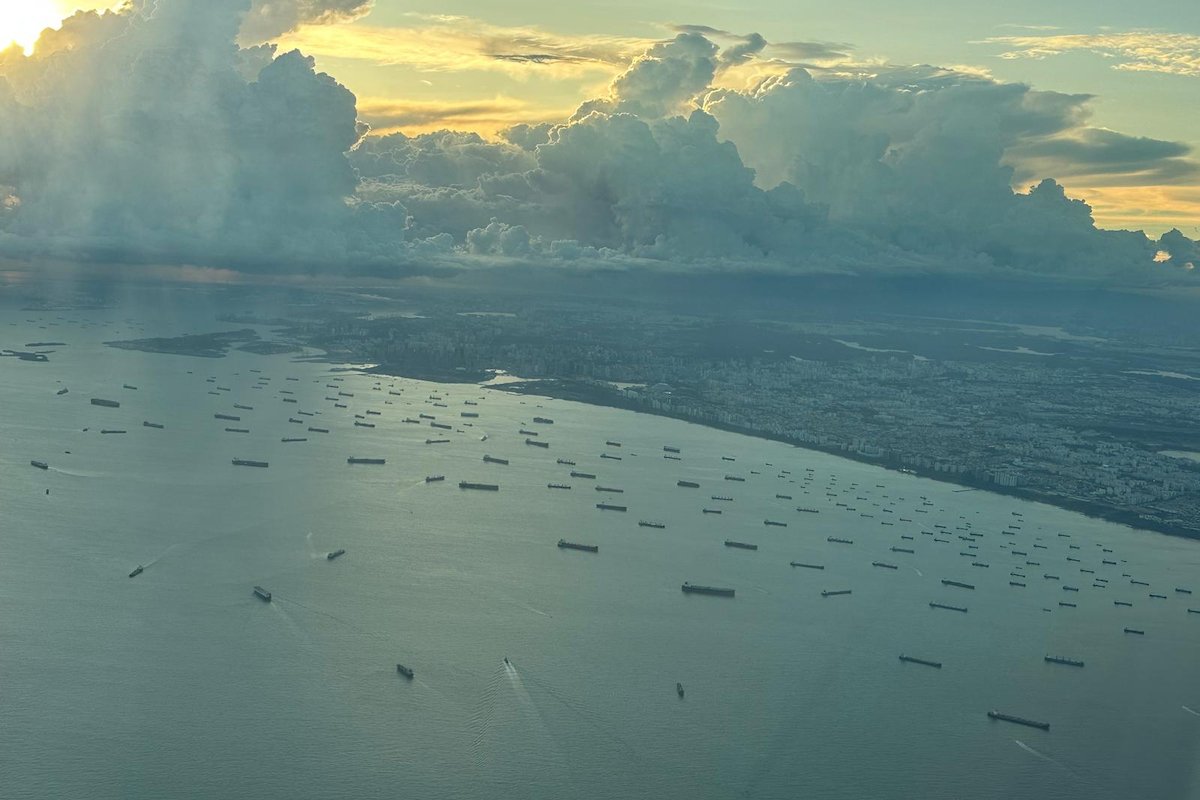
But these objections, rooted in a legal framework drafted decades ago, may be missing the point. UNCLOS, for all its achievements, was written in an era when maritime shipping relied on Dutch fluyts, not the post-Panamax container ships and Very Large Crude Carriers (VLCCs) that now dominate the Malacca Strait. These modern vessels, some as long as a city block and drawing 20 meters of water, require constant dredging, monitoring, and radio coordination—infrastructure that coastal states like Indonesia, Malaysia, and Singapore fund and maintain. Yet Article 26 of UNCLOS prohibits them from charging tolls, effectively treating these man-made highways as a free gift of nature.
The Hidden Subsidy of Free Transit
This legal sleight of hand provides a massive subsidy to global shipping companies, allowing them to externalize the costs of maintaining the strait while reaping the benefits of ever-larger vessels. The deadweight tonnage of merchant ships has ballooned from around 1,500 in the Age of Sail to 240,000 for post-Panamax container ships and 300,000 for Malaccamax VLCCs. The infrastructure needed to accommodate these behemoths is anything but natural—comparing it to a runway that a goose can land on is apt. Yet UNCLOS treats it as such, rendering the labor and investment of coastal states invisible.
Beyond UNCLOS, the guarantor of this free-trade order has been the US Navy, which has policed global sea lanes for decades. But as the Strait of Hormuz faces disruptions and Iran proposes its own toll system for safe passage, the reliability of American naval supremacy is increasingly in doubt. For China, which depends on the Malacca Strait for the vast majority of its energy imports and European-bound exports, the prospect of a US blockade has long been a strategic nightmare. An Indonesian toll, however, could transform that vulnerability into a predictable commercial transaction.
Asia's state-owned shipping and energy companies can absorb the cost of tolls. What they need is market predictability—something the US can no longer guarantee. Reforming UNCLOS to allow coastal states like Indonesia to charge tolls would create a stable, capitalized maritime order. The revenue could be reinvested in maintaining and expanding shipping channels, building new vessels, and funding industrial development for citizens of coastal states. This would also achieve a secondary objective: pricing out American hegemony.
For 46 years, the US has justified its forward-deployed military posture in the Indo-Pacific by claiming to secure the maritime commons for trade. If coastal states could independently fund engineering, manufacturing, and policing, the rationale for a US naval security umbrella would evaporate. As debates over US overflight rights in Indonesia show, the region is already questioning the terms of American presence.
Serious discussion about tolling the Malacca Strait should not be dismissed as a political or economic taboo. A toll is not a tariff—it is a cost recovery mechanism. The Malaccan states of Southeast Asia now have a historic opportunity to reform a legal framework that renders their contributions invisible and to acknowledge a simple fact: there is no such thing as free shipping.