The fragile ceasefire between the United States and Iran is under severe strain following Tehran's announcement that it will once again restrict maritime traffic through the Strait of Hormuz. The decision, made on Saturday, directly responds to a continuing US naval blockade of Iranian ports, which Iran has labeled an act of "piracy." This tit-for-tat escalation places a two-week truce, scheduled to end Wednesday, in grave jeopardy.
A Strategic Chokepoint in Dispute
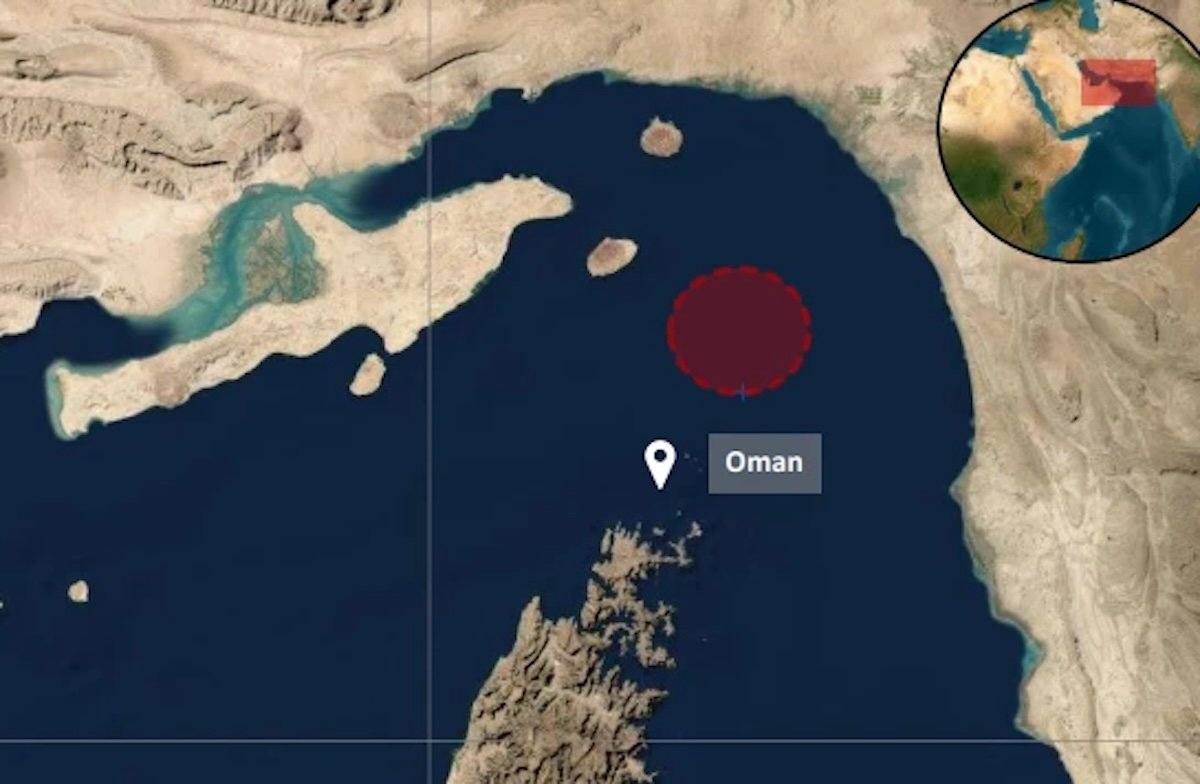
The Strait of Hormuz is a linchpin of global energy security, with approximately one-fifth of the world's oil supply passing through its narrow waters. Iran has leveraged control of this waterway as a primary strategic countermeasure against Western pressure since the outbreak of conflict involving the US and Israel in February. The strait's status was the central pillar of the temporary ceasefire negotiated between Washington and Tehran.
This latest closure reverses a brief reopening announced just a day prior. On Friday, Iranian authorities declared the strait "completely open," a gesture they linked to a separate, and also faltering, ceasefire between Israel and Lebanon. By Saturday, the situation had reversed. Iranian officials stated the reimposed blockade was a direct response to the US failure to lift its own naval quarantine of Iranian vessels, which they view as a violation of the ceasefire's terms.
"The Islamic Republic of Iran, following previous agreements met in the negotiations conducted in good faith, agreed to manage the passage of a limited number of oil and commercial ships through the Strait of Hormuz," read a formal statement from Iran's military headquarters. "Unfortunately, the Americans, with their repeated breaches of trust that are part of their history, continue their acts of piracy and maritime theft under the pretext of a so-called blockade."
Contradictory Claims and Military Posturing
The diplomatic disconnect was highlighted by contradictory statements from both capitals. US President Donald Trump claimed on Friday that Iran had agreed to reopen the strait unconditionally, while vowing the US blockade would "remain in full force" pending a broader deal on Iran's nuclear program. Iranian Deputy Foreign Minister Saeed Khatibzadeh publicly countered this, stating, "That is not the term we agreed on."
The tension quickly manifested militarily. Islamic Revolutionary Guard Corps (IRGC) gunboats opened fire on an oil tanker transiting the strait later on Saturday, though no injuries were reported. According to US Central Command, the US military has intercepted and turned around at least 23 ships near the strait since its blockade commenced on April 13.
Analysts note the asymmetric impact of the closures. "It is not the US blockade on Iranian ports that is impacting the majority of shipping going through that strait. It is the attacks the Iranian navy and IRGC have undertaken on civilian ships," said Jennifer Parker, an adjunct fellow in naval studies at the University of New South Wales. She told Al Jazeera that resolving the crisis would require either a negotiated halt to Iranian attacks or a significant military intervention to secure the waterway.
The economic consequences are already being felt globally. Iran's previous restrictions have caused gasoline prices to surge above $4 per gallon in many Western markets, fueling inflation and damaging economic confidence. This has further pressured President Trump's approval ratings ahead of US midterm elections, demonstrating Tehran's potent form of economic leverage. The volatility also impacts major Asian economies reliant on stable energy imports, as seen in related capital flight from Asia's emerging markets.
A Ceasefire on the Brink
With the Wednesday deadline looming, prospects for a diplomatic breakthrough appear dim. President Trump has insisted Iran must allow the removal of all its enriched uranium—a condition Tehran rejects outright. On Friday, Trump suggested he "won't extend" the ceasefire, warning that without a deal, "unfortunately, we'll have to start dropping bombs again." He dismissed Iran's strait closure as an attempt to "blackmail" the US.
Iranian resolve, however, seems hardened. Professor Mostafa Khoshcheshm suggested Trump's erratic statements have convinced Tehran that the United States is not "a trustworthy partner for any kind of deal." He predicted that "Iran will continue the war," adding, "Iran believes it has the upper hand and that this must be established in any future confrontation."
The human cost of the broader conflict remains stark. According to the US-based Human Rights Activist News Agency, US and Israeli strikes in Iran have killed more than 1,700 civilians. The United Nations Refugee Agency reports over 3 million Iranians have been displaced since the war began.
As Al Jazeera reporter Ali Hashem summarized, talks have been brought "back to square one." The renewed blockade of the Strait of Hormuz not only threatens a direct US-Iran confrontation but also sends destabilizing ripples across the Indo-Pacific, where nations from Japan to India depend on the free flow of oil. The standoff complicates the regional security landscape, a factor likely to be on the agenda during any high-level US-China discussions. For now, the world watches a narrow waterway, waiting to see if diplomacy can prevail before the ceasefire expires.