In a move that could fundamentally alter global energy markets, the United Arab Emirates has announced its departure from OPEC, the oil cartel that has sought to manage prices for over six decades. This decision, coming at a time of acute oil shortage driven by the US-Iran confrontation, opens the door to a potential surplus that could reshape the economic landscape for Asian importers and producers alike.
The UAE, OPEC's fourth-largest producer after Saudi Arabia, Iraq, and Iran, has long chafed under the cartel's production quotas. With spare capacity and ambitious expansion plans—aiming to boost output from 3.4 million barrels per day to 5 million by the end of next year—the Emirates now have the freedom to pursue their own strategy without OPEC's constraints. This is not the first defection: Qatar left in 2019, Ecuador in 2020, and Angola in 2024. But the UAE's exit is far more consequential given its capacity to ramp up production quickly.
Implications for Asia's Energy Security
For Asian economies, particularly major importers like India, Japan, and South Korea, the prospect of cheaper oil is a welcome relief. The current crisis, exacerbated by the blockade of the Strait of Hormuz, has sent prices soaring and strained budgets across the region. A resumption of normal traffic through the strait, coupled with increased UAE output, could ease inflationary pressures and support economic recovery. However, the path to such a surplus is not guaranteed. The UAE's cost of production is lower than Saudi Arabia's, and the two Gulf powers have been engaged in a quiet rivalry, backing different sides in conflicts from Yemen to Sudan. This defection weakens OPEC but does not destroy it; the cartel's share of global output has already fallen from over half in the 1970s to less than one-third today, thanks to the rise of US shale and Russian production.
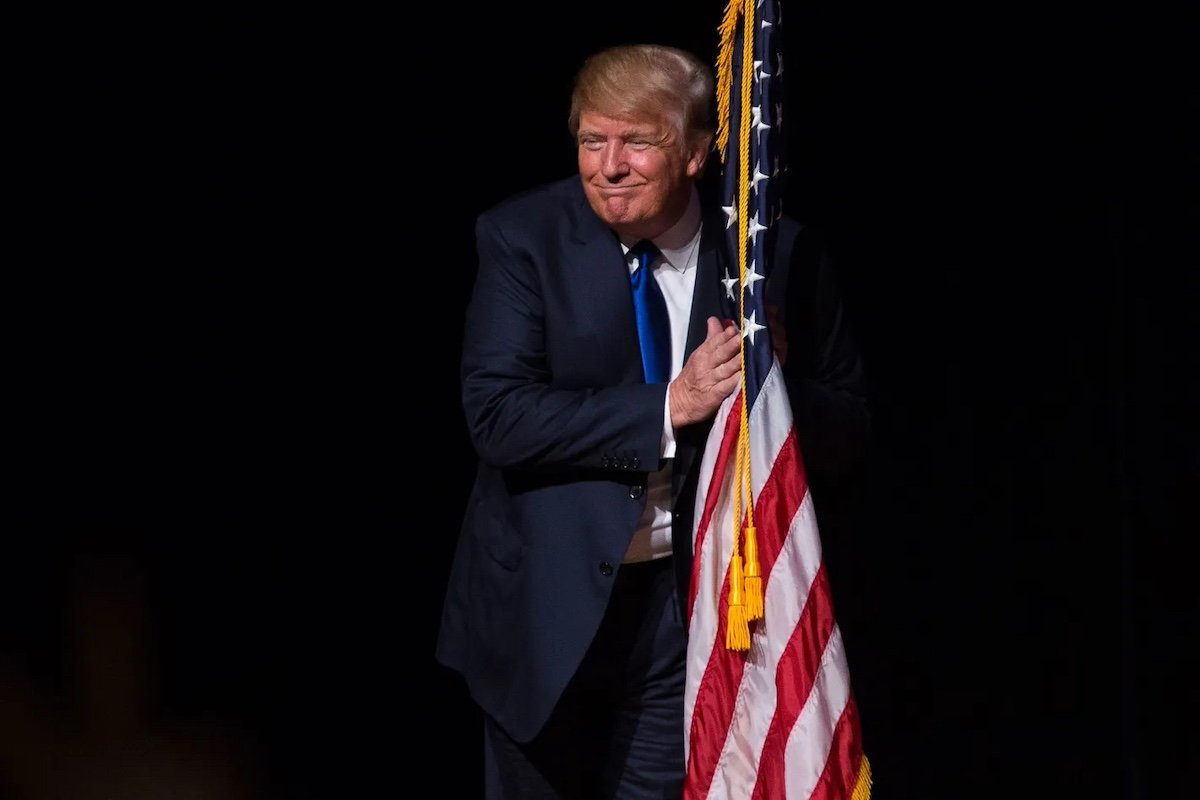
The immediate future hinges on the resolution of the US-Iran standoff. Diplomatic efforts are underway, with Pakistan acting as a mediator widely seen as acting on behalf of China. The upcoming summit in Beijing between President Donald Trump and President Xi Jinping on May 14-15 is viewed as a potential venue for a breakthrough. A deal that places Iran's nuclear program under international supervision—with China as a guarantor—could reopen the Strait of Hormuz and restore oil flows. Such an outcome would effectively make Iran a Chinese protectorate in the Middle East, a strategic asset for Beijing, but one that Trump might accept if it allows him to declare victory on nuclear non-proliferation.
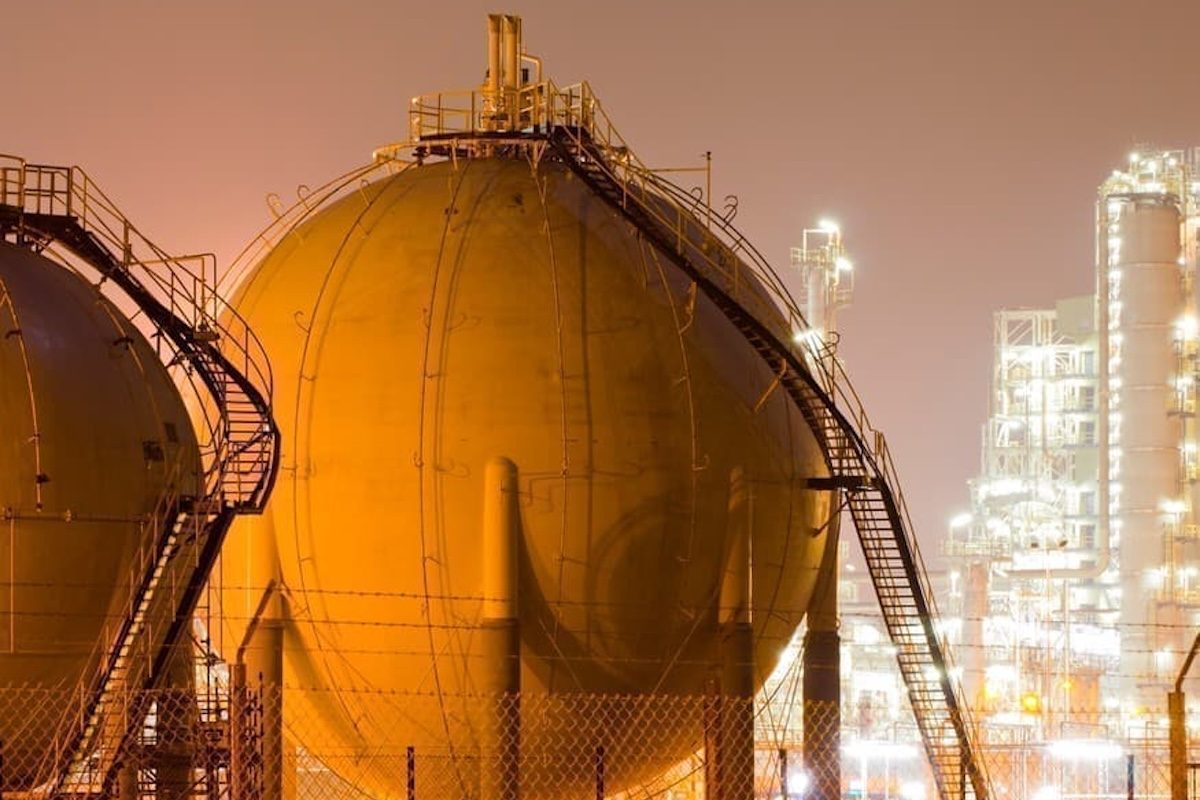
Even if the strait reopens soon, the energy crisis will not end overnight. Damaged oil and petrochemical plants in the Gulf will take time to repair, and pre-war supply levels will not be restored immediately. Yet the UAE's move signals a structural shift: the era of OPEC's dominance is waning, and the world may be entering a period of more competitive, market-driven oil pricing. For Asian nations, this could mean lower energy costs and greater supply diversity, but also new geopolitical alignments as China deepens its Middle Eastern ties. The UAE's decision is a reminder that the region's energy future is increasingly shaped by the interplay of national ambitions, not cartel discipline.