The United States military achieved several tactical victories during the recent conflict with Iran, but the campaign also exposed critical vulnerabilities that should concern defense planners across the Indo-Pacific. According to satellite imagery and international reports, Iran struck 16 US military installations across eight Middle Eastern countries between February and March, causing more damage than initially acknowledged.
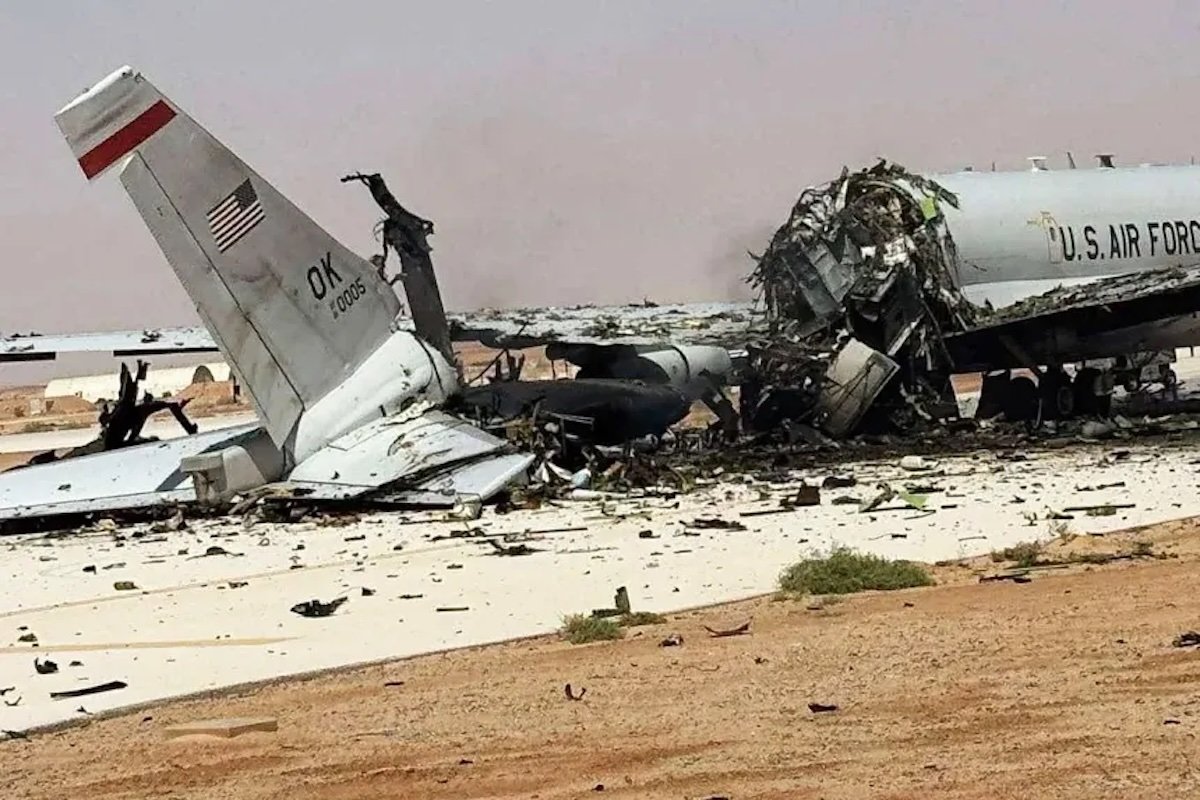
Among the most significant losses were two E-3 Sentry airborne warning and control system (AWACS) aircraft. One was completely destroyed at Prince Sultan Air Base in Saudi Arabia, and the other may be beyond repair. Three F-15 fighter jets were also downed by friendly fire. These incidents highlight systemic failures in command, coordination, and asset protection that have direct implications for US allies in Asia, including Japan, South Korea, and Australia, where similar platforms are deployed.
AWACS Vulnerability and Forward Deployment
The E-3 Sentry, a Boeing 707-based platform first produced in 1975, is a cornerstone of US battle management. The US Air Force had approximately ten deployable E-3s at the start of the conflict. On February 28, six were moved to Prince Sultan Air Base in Saudi Arabia and two to Al Dhafra Air Base in the United Arab Emirates. This concentration of high-value assets in a single theater was a strategic error.
The AWACS aircraft were parked on open tarmac because their 30-foot radomes cannot fit into existing hardened shelters. Despite the presence of Patriot PAC-2, PAC-3 MSE, and THAAD air defenses, the base was hit by swarm attacks. The Pentagon failed to reposition or clear the aircraft despite available warning time.
Iranian targeting was aided by Chinese and Russian satellite intelligence. The IRGC used imagery from the TEE-01B satellite, operated by the Chinese company Earth Eye, which provides half-meter resolution. Log files show the satellite was used to target Prince Sultan Air Base on March 13, 14, and 15, coinciding with the first wave of strikes.
This episode mirrors Russian failures in Ukraine, where Moscow lost four A-50 Mainstay AWACS aircraft—two shot down by Ukrainian air defenses and two damaged or destroyed by drone attacks on Russian air bases. The US assisted Ukraine in locating those Russian platforms. In the Iran conflict, the roles were reversed: Iran received targeting support from Moscow and Beijing.
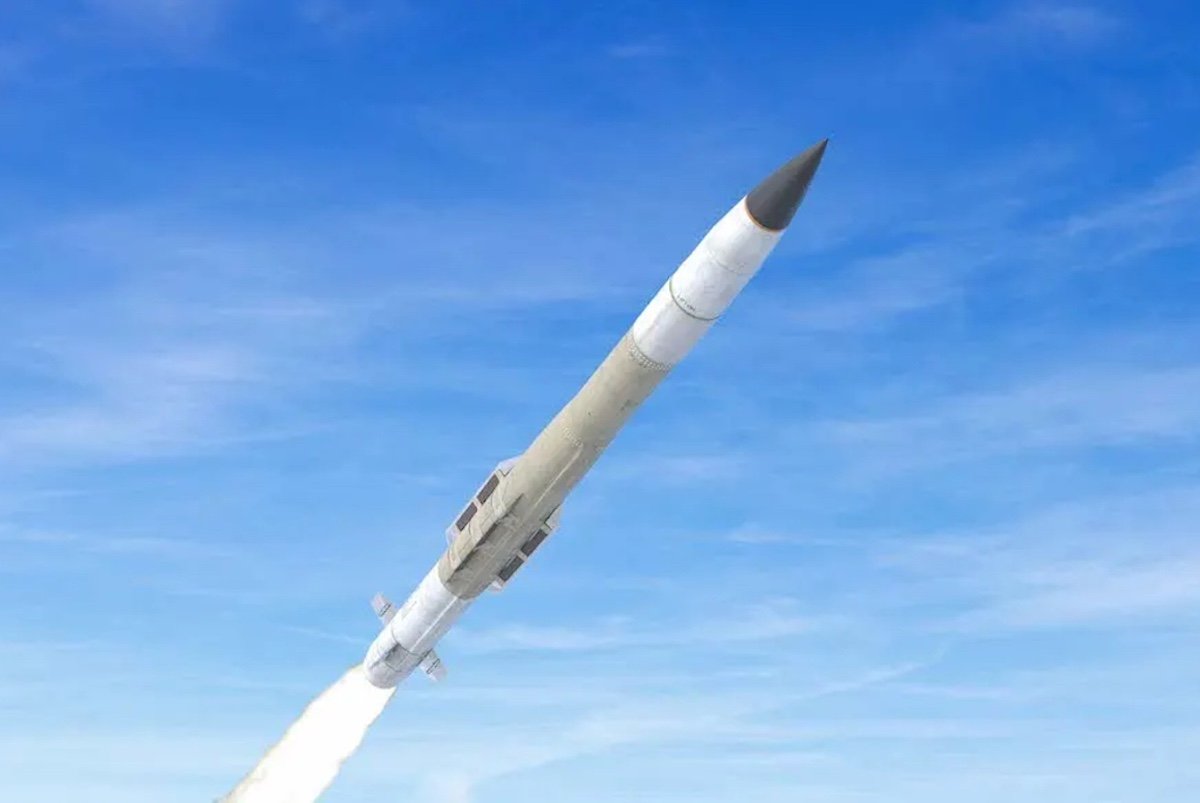
The destroyed E-3, unit 81-0005, was likely hit by a Khaibar-Shekan medium-range ballistic missile or a modified Shahed drone. The Khaibar-Shekan, a solid-fueled IRGC missile with a 550 kg warhead, is maneuverable in its terminal phase. Some analysts suggest the attack may have been as much a Russian revenge operation as an Iranian military objective.
For Asian defense establishments, the lesson is clear: high-value airborne assets are increasingly vulnerable to precision strikes enabled by commercial satellite imagery and asymmetric tactics. Japan's Air Self-Defense Force operates E-767 AWACS aircraft, and South Korea fields E-737 Peace Eye platforms. Both nations are investing in hardened infrastructure and distributed basing, but the Iran conflict suggests that even advanced air defenses cannot guarantee protection against coordinated swarm attacks.
The US failure to learn from its own experience in Ukraine—where Russian AWACS were exposed at forward bases—raises questions about the Pentagon's ability to adapt. As To Replicate Ukraine's Drone Success, Asia Must First Change Its Military Culture argues, institutional resistance to change remains a barrier across the region.
Meanwhile, the economic dimensions of the conflict are significant. G7 Oil Billionaires Gain $23.5 Billion Since Start of Iran Conflict highlights how energy markets have been reshaped by the war. For Asian economies dependent on Middle Eastern oil, the volatility underscores the urgency of energy diversification, as explored in Asia's Energy Independence: Lessons from the Philippines Emergency.
The broader strategic lesson is that no military solution exists for the Middle East's enduring crisis, as No Military Solution Exists for the Middle East's Enduring Crisis notes. For Asian policymakers, the Iran conflict serves as a cautionary tale about the limits of air power and the growing role of commercial space assets in modern warfare.