SINGAPORE – As the 2026 US midterm elections approach, global attention focuses on whether Democrats can reclaim the House or Senate. But for Asia, the more consequential battles are happening at the state level, where governors and legislatures will decide the future of artificial intelligence infrastructure.
Trade and Iran policy, the two issues that typically dominate US-Asia relations, are unlikely to shift regardless of which party controls Congress. President Trump's tariff stance remains entrenched, as his last-minute rejection of a Canada trade deal shows. "Tariffs are a deeply held belief for Trump which is unlikely to be changed by election results," said Deborah Elms, head of trade policy at the Hinrich Foundation. Similarly, the conflict with Iran is driven by executive decisions and Tehran's calculations, not congressional composition.
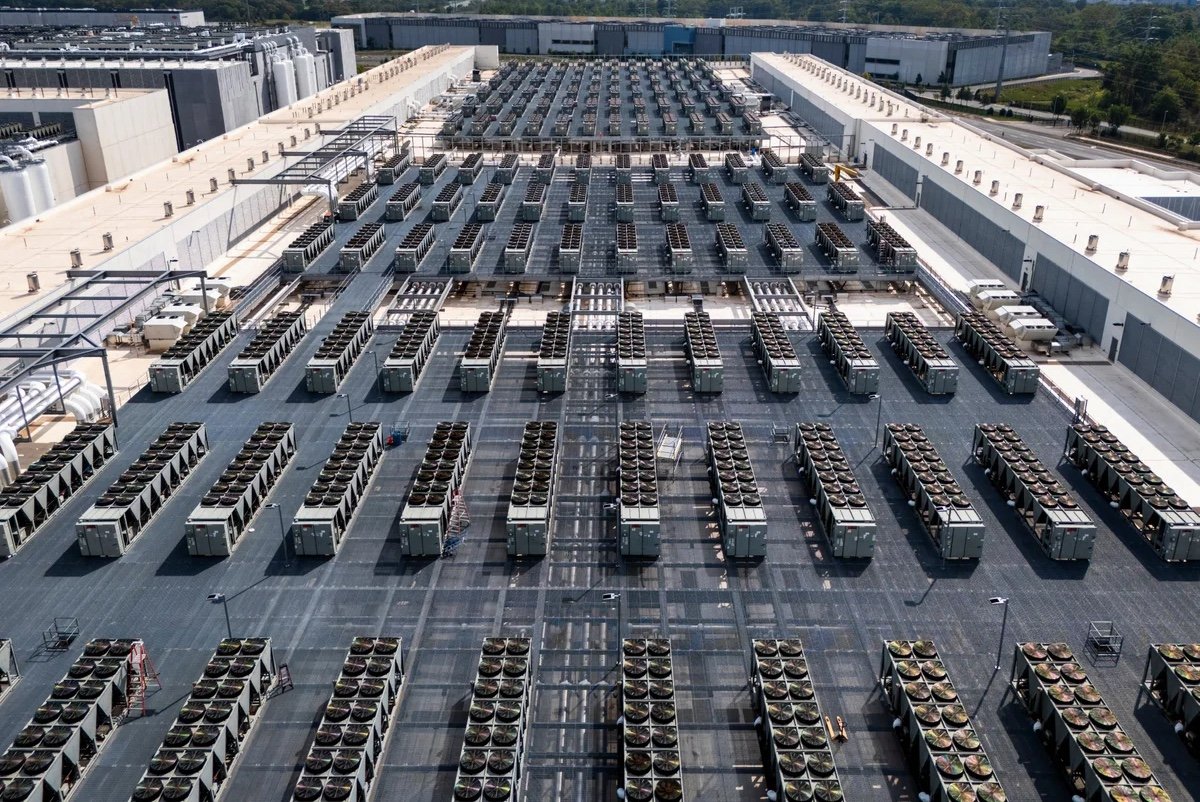
But AI is different. Data centers—the physical backbone of the AI boom—are subject to state and local approval. Governors and state legislators decide where they are built, how they are powered and watered, and who bears the cost. These decisions have become flashpoints in local politics, with residents across the United States pushing back against rising electricity bills, farmland loss, and environmental strain.
"Data centers are going to exist," said Kiki McLean, a campaign strategist with deep experience in governor races, during the APAC Advisors 2026 Midterm Election series. "But local folks are going to have control of it and what they want when it comes in."
The backlash is bipartisan. In Texas, Republican Governor Greg Abbott, once a champion of data center expansion, imposed a statewide moratorium on new projects in August as he sought re-election. In Pennsylvania, Democratic Governor Josh Shapiro initially welcomed a US$20 billion Amazon data center investment in June 2025, but after community complaints about land use, noise, and grid strain, the state reversed course. Developers now must secure municipal approval, sign community benefit agreements, and generate their own power at their own cost. California's Monterey Park has gone further, becoming the first US city to permanently ban data centers.
For Asian businesses and investors, these state-level dynamics carry direct implications. Fewer data centers will likely be built than originally planned, dampening demand for Asian exports such as semiconductors, cooling equipment, and construction materials. Community benefit agreements—which tie project approval to local job creation and revenue sharing—are becoming standard, raising costs and complicating project timelines.
Asian governments are watching closely. The regulatory wave now sweeping US states could easily cross the Pacific. Countries like Japan, South Korea, and Singapore, which are vying to host AI infrastructure, may face similar public pressure as data centers consume scarce land and energy. The next leap in chip technology will only intensify these demands.
Beyond data centers, the broader "Responsible AI trilemma"—balancing innovation with job displacement and inequality—is becoming a political issue. Voters are demanding that their representatives address these concerns, and Asian policymakers should expect the same. The villainization of Big Tech in US campaigns is a preview of what may come in Asia.
While congressional races dominate headlines, the state contests will have an outsized impact on AI's trajectory. As McLean put it: "Data centers and AI became this year's electoral perfect storm." After the midterms, winning governors will have a mandate to mitigate AI's local impacts—and the political storm is likely headed next to Asia.
For Asian stakeholders, the message is clear: watch the governor races, not just the federal ones. The decisions made in statehouses across America will shape the global AI supply chain and regulatory environment for years to come.