When the Pentagon announced a $620 million loan to Vulcan Elements, a small North Carolina startup with ties to Donald Trump Jr., officials on both sides sought to dispel any suggestion of favoritism. The president’s eldest son denied involvement through a spokesperson; the Pentagon stated Trump Jr. played no role; and Vulcan’s founder insisted the company received no political advantage.
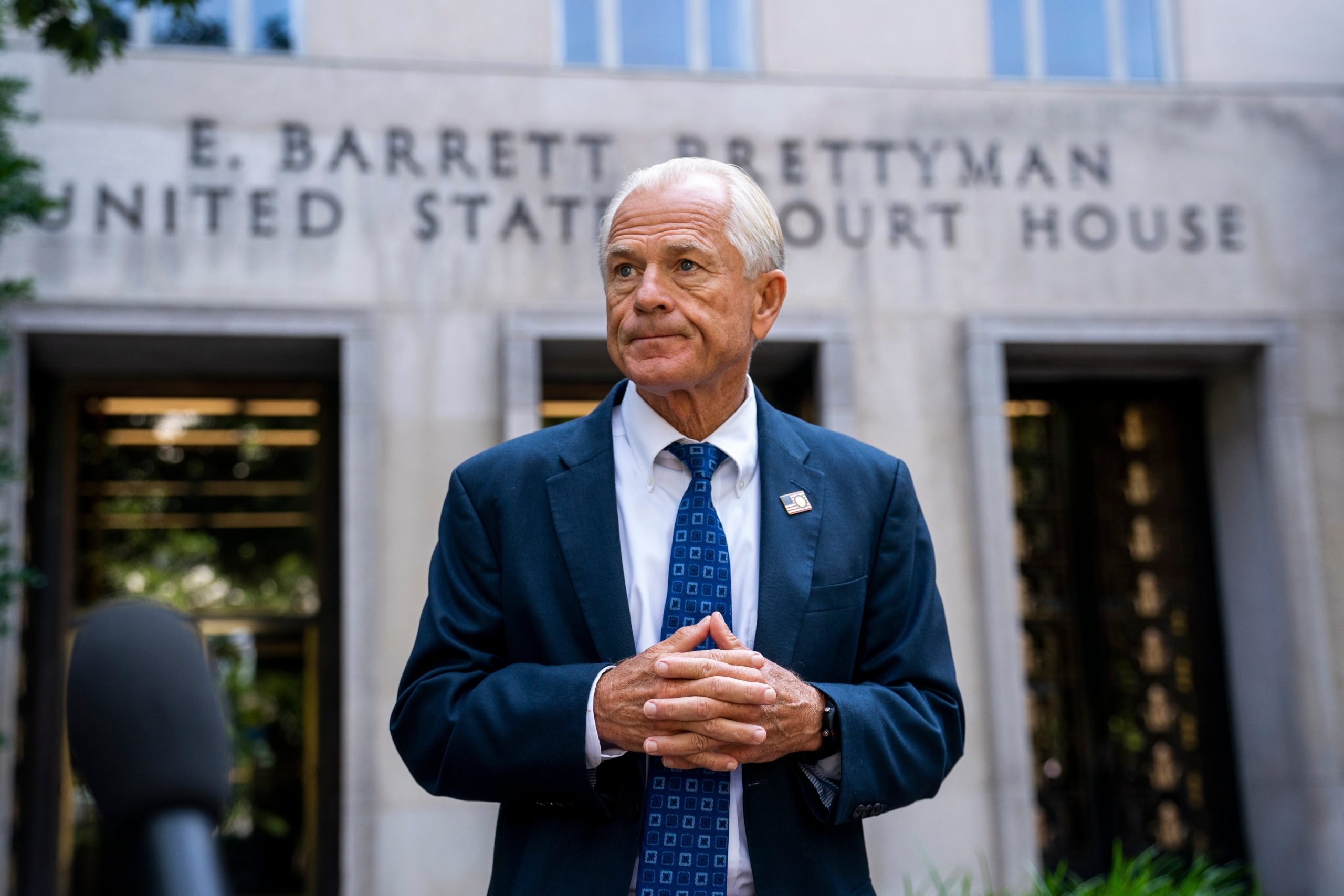
Yet internal Defense Department records and interviews reviewed by ProPublica reveal that the request originated from Peter Navarro, a White House trade adviser and close friend of Trump Jr. Of the dozens of companies the Pentagon was evaluating for critical-mineral funding at the time, Vulcan’s was the only one initiated by a senior presidential aide, according to a Pentagon official who spoke on condition of anonymity.
After receiving the White House directive, Pentagon staff were instructed to expedite the process, working late nights and through weekends to finalize the loan within weeks. “The call came from the White House: We have to get this done,” one person involved in the deal told ProPublica.
A Strategic Bet on Rare Earths
The loan is part of a broader U.S. effort to reduce dependence on China’s dominance in rare-earth elements and critical minerals. China currently produces the world’s entire supply of samarium, a metal essential for magnets in Tomahawk missiles and F-35 fighter jets. Other rare earths are vital for semiconductors, drones, and electric vehicle components. The Pentagon’s Office of Strategic Capital, which approved the Vulcan loan, was created to address this bipartisan national security concern.
Vulcan Elements, launched just two years ago, was a relatively unknown player in the rare-earth magnet sector. The loan dramatically boosted its valuation—by an estimated tenfold—and represented a major win for Trump Jr.’s venture capital firm, 1789 Capital, which took an undisclosed stake in Vulcan about three months before the deal was announced.
Navarro and Trump Jr. have cultivated a close relationship in recent years. Trump Jr. visited Navarro in prison after he was held in contempt of Congress for defying a subpoena related to the January 6, 2021, Capitol riot. Navarro dedicated his latest book to a small group that “had my back when it was against the wall,” which included Trump Jr. A week before the Vulcan deal was announced, Trump Jr. hosted Navarro on his streaming show, urging his nearly 2 million subscribers to buy Navarro’s book.
Richard Painter, chief White House ethics lawyer under President George W. Bush, said such intervention raises serious concerns. “This is our money they’re spending,” Painter told ProPublica. “This is corruption we pay for.”
The White House defended the process, with a spokesperson stating the administration is working “in the best interest of the American people” and that officials including Navarro are collaborating with industry to secure critical mineral supply chains “at Trump speed.” Trump Jr.’s spokesperson said he does not discuss his investments with federal officials and had no knowledge of how the deal came together. A Pentagon spokesperson insisted that “outside affiliations, investors, or political connections play absolutely no role in the Department’s funding decisions.”
The Vulcan loan is one of several instances where Trump-linked companies have benefited from government contracts. ProPublica’s reporting marks the first time a federal contract has been directly tied to White House intervention. Separately, a drone parts manufacturer that Trump Jr. advises and holds a stake in is reportedly under review for Pentagon lending.
The episode underscores the intersection of U.S. strategic policy and personal financial interests, as Washington seeks to counter China’s grip on critical minerals. For Asian capitals watching these developments, the case raises questions about the transparency and reliability of U.S. supply-chain initiatives. As Australia balances its alliance with the United States and its economic ties to China, the Vulcan deal may amplify concerns that U.S. rare-earth policy is vulnerable to political influence.