For months, bond markets across the globe have been quietly pushing yields higher, and the message is clear: the era of ultra-cheap money is ending. The Federal Reserve's policy committee left its benchmark rate unchanged at its late-August meeting, but the accompanying statement left little doubt that a hike is on the table before year's end.
The committee's language was telling. It described economic activity as expanding at a solid pace, with unemployment low, but conceded that inflation remains stubbornly above its 2 percent target. In plain terms, the Fed is hitting its employment goal but missing on price stability—a classic setup for tightening.
Three of the twelve voting members dissented at the August meeting, preferring an immediate quarter-point increase. Minutes from earlier meetings show other officials also leaning hawkish. In June, eight of nineteen policymakers projected at least one hike this year. The momentum is building.
The Fed's preferred inflation gauge, the personal consumption expenditures price index, rose 3.7 percent year-over-year in the latest reading, barely cooling from the prior month. Inflation has now run above target for five years. With Iran's continued pressure on the Strait of Hormuz keeping energy prices elevated, there is little reason to expect a rapid return to 2 percent.
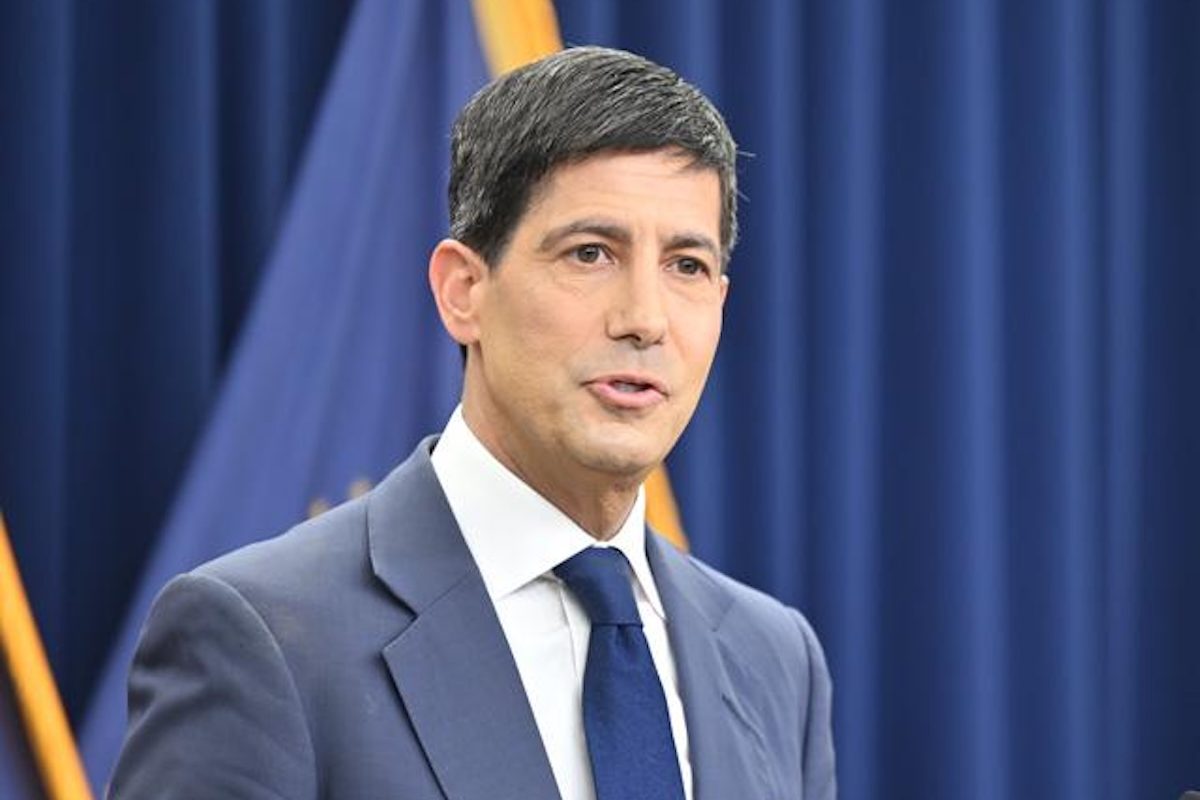
All signs point to a hike soon. The open question is whether Fed Chair Kevin Warsh will pull the trigger—and how he manages the political fallout.
Warsh's credibility test
Warsh, who took the helm in June, has deliberately avoided the forward guidance that his predecessors used to soothe markets. At his first press conference, he sounded hawkish, vowing to bring inflation down. Bond investors took note and pushed yields up, anticipating Fed action.
But at his latest press conference, Warsh offered a different interpretation. He suggested that market moves were a reaction to economic data, not to expectations of Fed policy. "Market participants are learning to play the ball, not the referee," he said.
That remark did not sit well. Long-term bond yields spiked, reflecting fears that the Fed might let inflation run wild. The Wall Street Journal ran a headline declaring that Warsh's honeymoon with the bond market was over. Chief economics commentator Greg Ip countered Warsh's sports metaphor: "The Fed isn't a neutral umpire, it's the most important player in the game."
Warsh's defenders argue that he is simply forcing investors to make their own judgments about the economy, rather than relying on Fed cues. But in practice, silence breeds uncertainty. Investors are left guessing, and their guesses are often wrong, leading to sharper market swings.
The pattern is clear: when Warsh sounded hawkish in June, yields rose in anticipation of a hike. When he seemed to welcome the market's self-reliance in September, yields rose out of fear that the Fed would not act. The first reaction is healthy; the second is a warning sign.
Credibility is the Fed's most valuable asset, and Warsh may be losing it. To restore confidence, he may feel compelled to raise rates sooner rather than later—perhaps even before the midterm elections, despite the political pressure from President Donald Trump, who has publicly favored low rates.
If the Fed hikes in September, Warsh faces a cranky president. If it waits until December, he faces a cranky bond market. The choice will reveal his priorities.
Asia's exposure
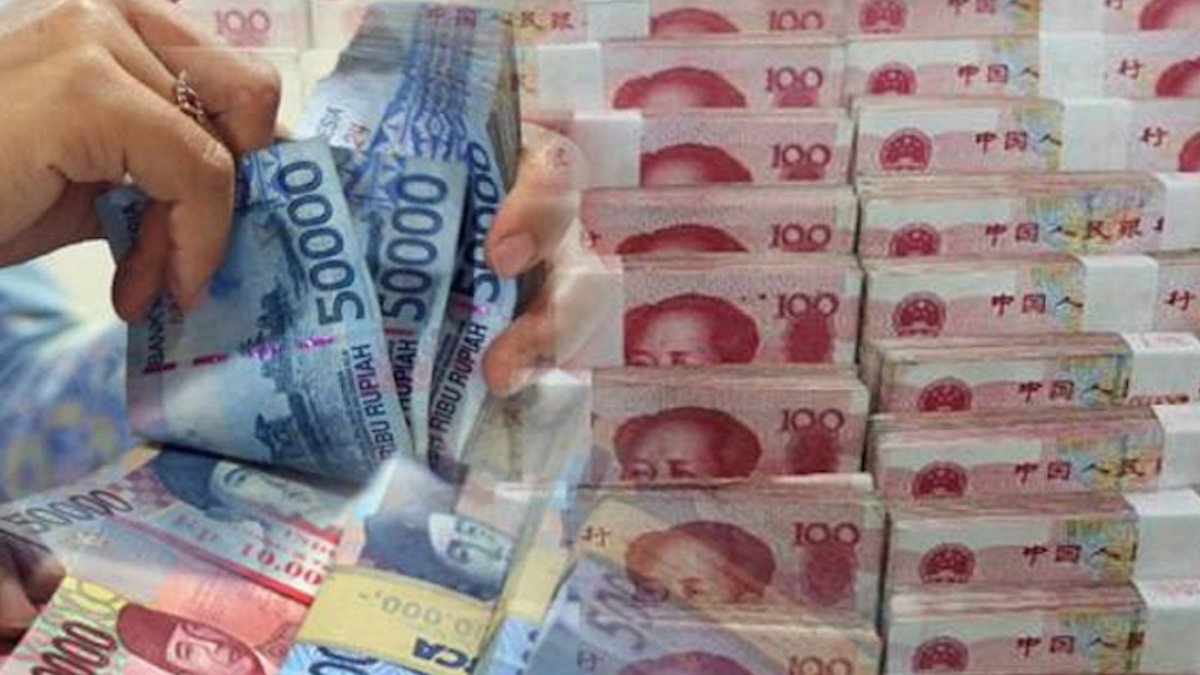
For Asia, the stakes are high. A US rate hike typically strengthens the dollar, putting pressure on regional currencies and capital flows. Countries with high external debt, like Indonesia and the Philippines, could see their currencies weaken and import costs rise. Japan and South Korea, with their export-driven economies, may face headwinds as well.
The yen and won have already flashed warning signs, and a Fed hike could exacerbate those pressures. Meanwhile, China's slowing economy and property market woes add another layer of uncertainty. As the Fed moves, Asian policymakers will need to balance their own inflation and growth goals against external shocks.
Investors in the region should brace for volatility. The Fed's next move is not just a domestic matter—it will ripple through the Indo-Pacific, affecting everything from trade to capital flows. The question is not whether the Fed will hike, but when, and how Asia adapts.