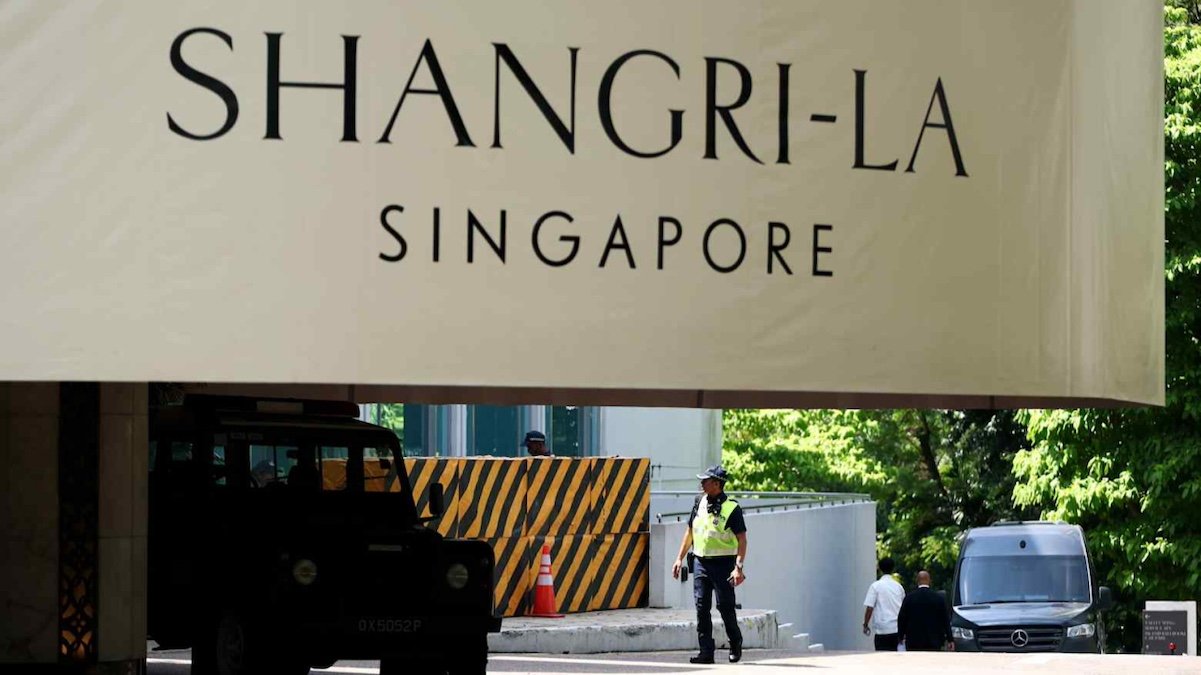
The Shangri-La Dialogue, held annually in Singapore, serves as a key barometer for Indo-Pacific security dynamics. Defense officials and military chiefs from over 40 countries gather not just for the set-piece speeches, but for the bilateral meetings that shape real cooperation—from Japan-Australia defense coordination to India-ASEAN engagement. This year, the spotlight falls on Vietnam's To Lam, who will become the first Vietnamese leader to deliver the keynote address on May 29.
To Lam's selection reflects Hanoi's elevated standing in regional security conversations. Yet the question is not whether Vietnam will steal the show, but whether its balancing act can withstand the scrutiny. The 2026 dialogue's agenda includes a plenary on "China's Cooperative Partnerships in the Asia-Pacific," a session that Beijing canceled in 2025. Whether China sends its defense minister or a lower-level delegate will signal more than any speech from the podium.
Vietnam's Diplomatic Tightrope
To Lam has pursued an aggressive diplomatic schedule since consolidating party and state leadership at the 14th National Party Congress in January. He visited Cambodia in February, met with Donald Trump the same month, traveled to Beijing in April, and to India in May. He arrives in Singapore after an official visit to Thailand on May 27–29. This flurry of activity aims to reassure partners that Hanoi's strategic autonomy remains intact, even as its institutional ties with Beijing deepen.
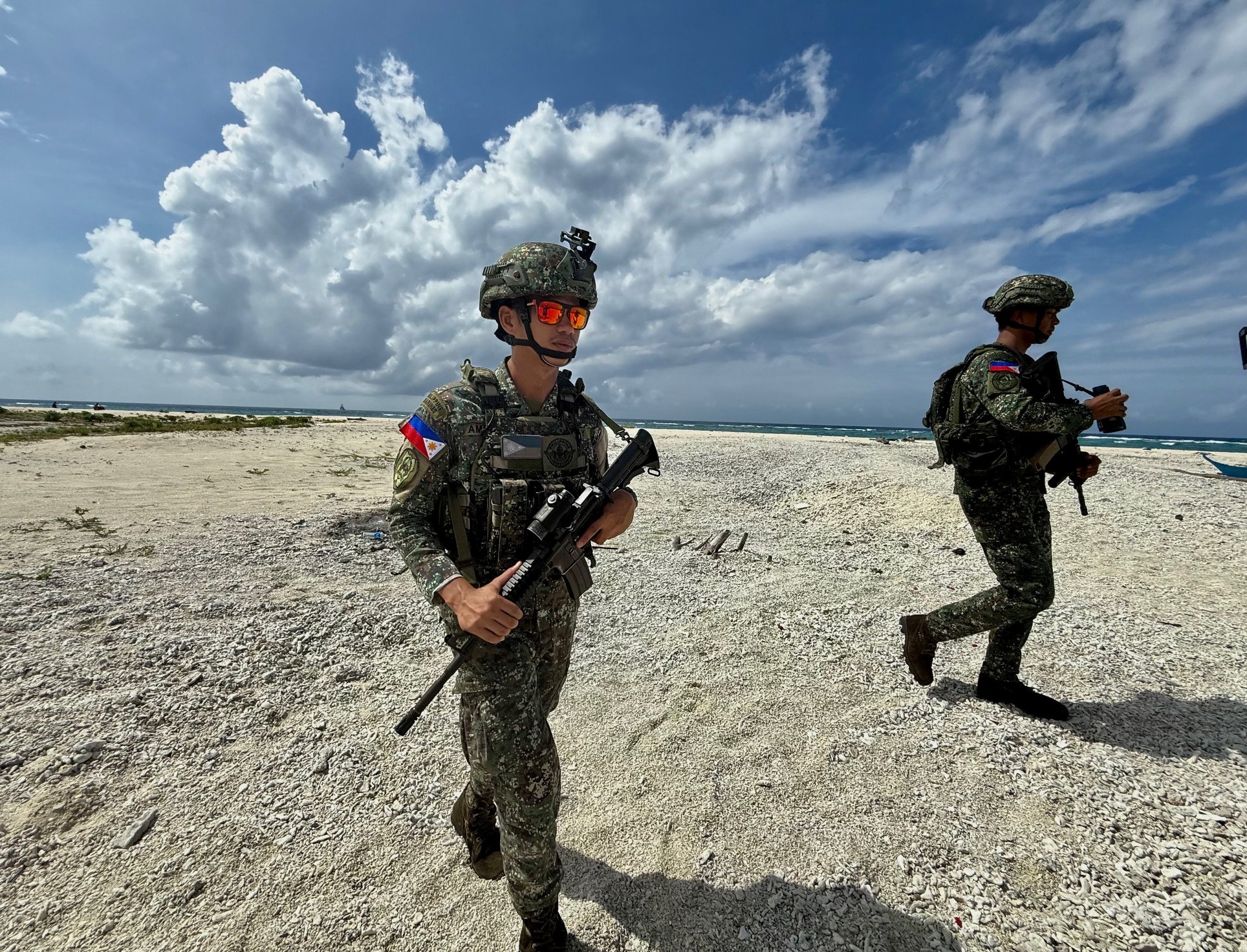
However, the inaugural "3+3" strategic dialogue with China in March embedded security cooperation—including counter-"color revolution" coordination—into the bilateral architecture. This raises questions about how much room Vietnam has to assert independence, especially on maritime security. The third plenary, "Asia's Maritime Security Disorder," is likely to be the most charged session. Vietnam is expected to complete its Spratly infrastructure program this year, populating features with civilians and naval infantry, which could provoke a Chinese response.
The Philippines, as 2026 ASEAN chair, is pushing to conclude negotiations on the South China Sea Code of Conduct, though most analysts consider that unlikely under its watch. Previous plenaries on the contested sea have produced firm language without corresponding movement. For To Lam, this session tests whether Vietnam can assert its sovereignty claims while preserving the institutional relationship with Beijing.
Great Power Signals and Economic Pressures
The dialogue's value also lies in gauging great power rivalry. China's delegation level has varied over the years, with Beijing sending a one-star PLA National Defense University academic in 2025 rather than Defense Minister Dong Jun. That downgrade drew pointed comment from Singapore's defense minister and disrupted bilateral meetings. Whether Beijing upgrades its delegation this year remains unconfirmed, but the stakes are sharpened by the China-focused plenary.
Pete Hegseth, now styled America's secretary of war, speaks in the first plenary on May 30 under the title "United States' Strategy for Peace in the Indo-Pacific." His 2025 appearance surprised observers with conventional reassurance of US commitment, a contrast with earlier missteps. However, the USTR's Section 301 investigations targeting Vietnam among 16 economies, and the transshipment problem of tariff-dodging China-made goods, remain unresolved. Whether Washington folds economic grievances into its security framing could shape how the room reads American reliability.
For Vietnam, the challenge is to present itself as a partner to both sides without being caught in the crossfire. The India-Vietnam BrahMos deal strengthens deterrence against China, but such moves must be balanced against the deepening security cooperation with Beijing. To Lam's keynote will likely offer reassurance, but the real test comes in the bilateral meetings and the plenaries where Vietnam's balancing act is most exposed.
Ultimately, the Shangri-La Dialogue is a platform for signaling, not transformation. Previous keynotes—from Fumio Kishida's defense pledges to Narendra Modi's Indo-Pacific vision—have produced firm language without corresponding shifts in behavior. To Lam's address will be no different. The room will read it for cues, but the real story lies in the sidelines and the unresolved tensions that no speech can paper over.