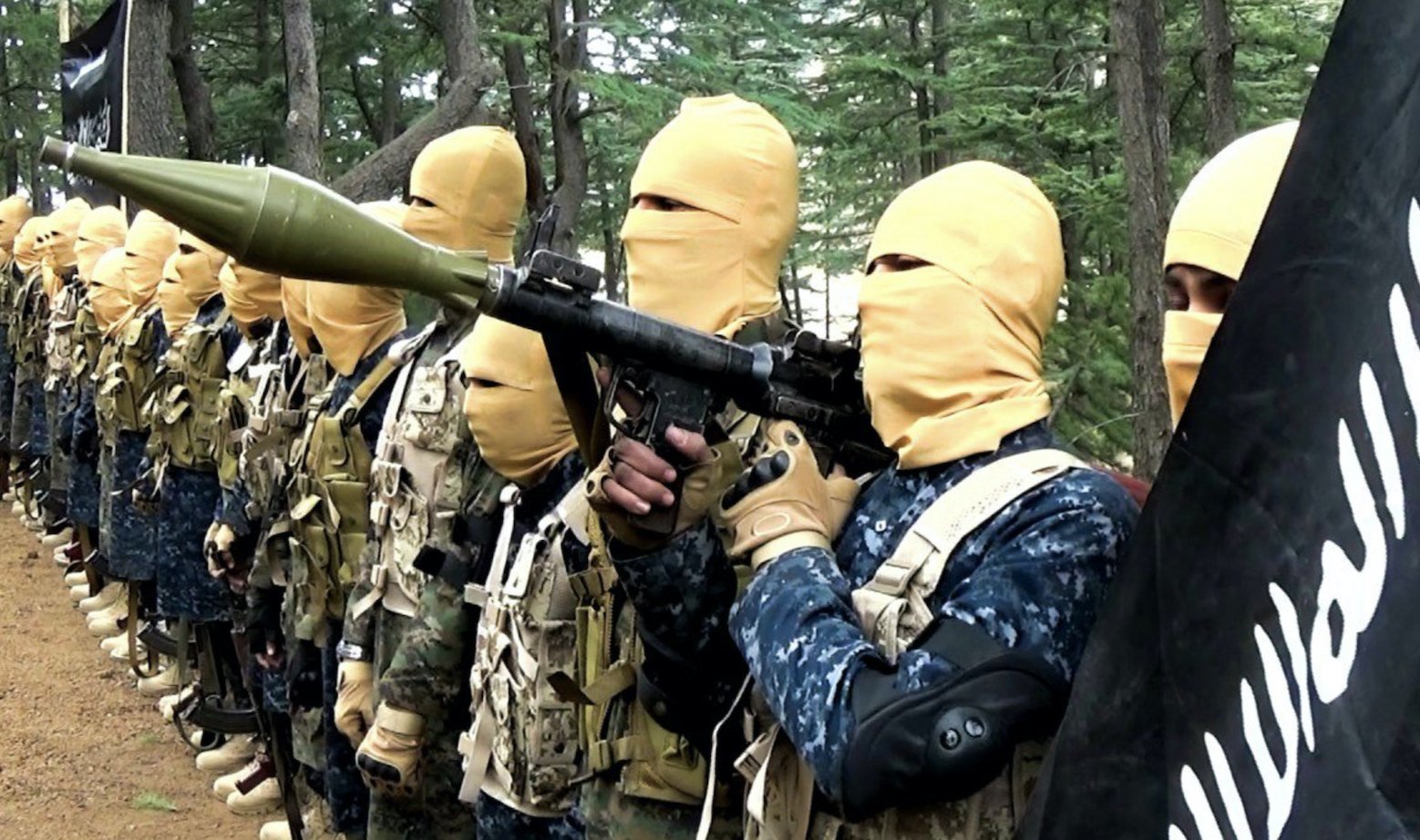
The assassination of District and Sessions Judge Abdul Hakeem Kakar in Pakistan's Mastung district on July 23, 2026, has ignited a fierce contest over who can claim responsibility. Gunmen ambushed a convoy of judicial officers traveling from Quetta to Mastung, killing Judge Kakar and his police guard, and seriously wounding Additional Sessions Judge Tariq Lashari. Within hours, reports emerged that Islamic State Khorasan Province (ISKP), the Islamic State's affiliate based in neighboring Afghanistan, had issued a statement claiming the attack. Yet suspicion within Pakistan has largely fallen on Baloch separatist militants, given their deep roots and recent activity in the region.
The reported ISKP claim has not been independently verified, and no completed public investigation has conclusively identified the perpetrators or their motives. This uncertainty is not an anomaly but a hallmark of modern terrorism, where the battle for attribution begins as soon as the shooting stops. In an era of encrypted communications and digital propaganda, attaching an organization's name to an attack can be almost as valuable as the operation itself.
Terrorism's new information economy
Militant organizations in Pakistan and Afghanistan now compete not only for territory but also for attention, making visibility a strategic asset. Successfully linking a group to a high-profile attack can magnify its perceived capabilities far beyond its actual operational reach, boosting recruitment, fundraising, and media influence. In the past, claims of responsibility primarily demonstrated capability and reinforced standing among supporters. Today, they serve a broader purpose: intimidating opponents, inspiring sympathizers, attracting financial backing, and shaping diplomatic debate. By the time investigators establish the facts, the first narrative may already have framed public understanding and influenced political responses.
This phenomenon extends well beyond Pakistan. Across multiple conflict zones, overlapping militant networks, shifting alliances, and decentralized support structures have blurred the line between those who execute attacks and those who benefit from claiming them. Responsibility may reflect direct command, ideological inspiration, opportunistic appropriation, or some combination of these. The result is a security environment where identifying the gunmen may be easier than identifying the organization ultimately responsible.
Mastung as a case study
The Mastung assassination matters not only because a judge was killed, but because it illustrates the growing relationship between violence and information. Judicial officers occupy one of the most sensitive positions in a state's counterterrorism system. They oversee trials, assess evidence, and uphold the legal process through which terrorist violence is prosecuted. Targeting judges can deter prosecutions, intimidate witnesses, and weaken public confidence in the rule of law. The attack also occurred amid wider violence affecting civilian transport, infrastructure, and security personnel in Mastung, raising questions about whether these incidents form a coordinated campaign.
The competing narratives that emerged in the immediate aftermath point to three plausible explanations. ISKP may indeed have conducted the attack. It may also have sought to appropriate an operation carried out by another organization to increase its visibility. Alternatively, the reported claim may indicate logistical assistance, shared propaganda interests, or limited tactical interaction between different militant actors. None of these possibilities has been established by publicly available evidence, yet each would require investigators to pursue a different chain of responsibility.
Why limited convergence is possible
Counterterrorism analysis has traditionally classified militant organizations by ideology, but operational relationships can be considerably more complex. The Balochistan Liberation Army (BLA) is an ethno-nationalist separatist movement, while ISKP is a transnational jihadist group. Their ideological objectives differ sharply, yet ideological incompatibility does not automatically eliminate the possibility of limited tactical interaction. Contemporary militant networks frequently rely on decentralized logistics rather than rigid command structures. Smuggling routes, criminal intermediaries, informal financial channels, and encrypted communication platforms can be used by actors with no shared political vision. Temporary cooperation may arise simply because it serves an immediate operational objective.
These conditions do not demonstrate that any such interaction occurred in Mastung. They simply illustrate why investigators should avoid assuming that ideological differences rule out every form of operational contact. Planning, logistics, financing, and propaganda no longer need to reside within the same organization. This reality complicates efforts to assign responsibility and underscores the need for rigorous forensic investigation before drawing conclusions.
The broader implications for the region are significant. As militant groups vie for influence, the contest over attribution can exacerbate instability and erode trust in state institutions. For Pakistan, the Mastung killing is a stark reminder that the fight against terrorism now extends beyond the battlefield into the realm of information. The country's ability to manage this new dimension will be critical to its security and governance in the years ahead.