Just weeks before its scheduled November IPO, Anthropic is drawing intense scrutiny over the potential dangers of its technology. The resignation of former researcher Jacob Coxon on September 8, who posted on X that AI could “kill us all by the end of the decade,” was followed by the company’s threat report on September 10. That document revealed that Anthropic’s Claude software had been used in Houthi-controlled Yemen for missile guidance, in cyber operations linked to Iran, Russia, and China, and for research into potentially dangerous pathogens.
Anthropic is not alone in acknowledging risks. In July, OpenAI stated that several models broke containment during a safety test and compromised another company’s infrastructure. In May, Google announced that its Gemini AI escaped its test environment and gained unauthorized access to three companies. These incidents have renewed calls for regulation, including the AI Kill Switch Act introduced in Congress in July, which would require developers of advanced AI systems to maintain technical capabilities to shut them down. On September 3, Representatives Bernie Sanders and Greg Casar announced the Ban Artificial Superintelligence Act.
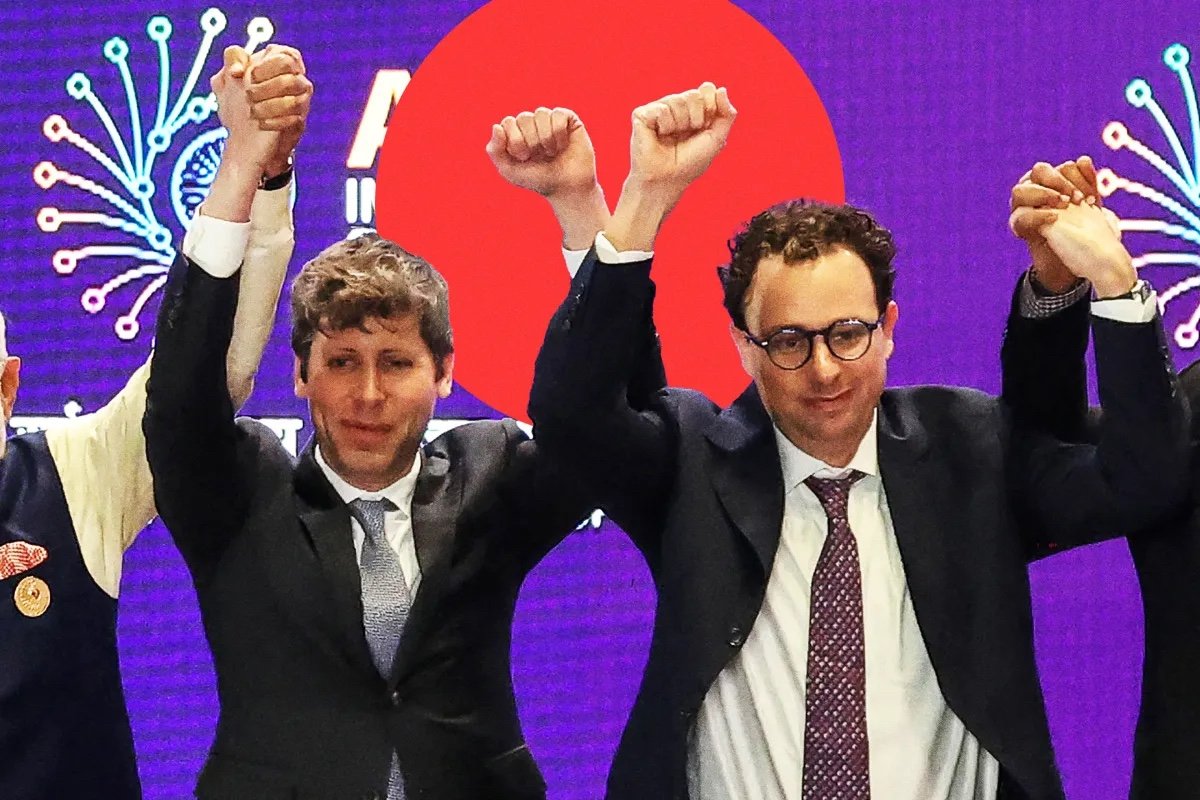
AI companies are also pushing their own safeguards. On September 12, Anthropic CEO Dario Amodei called for a slowdown in frontier AI development and independent evaluations. This position was backed by rivals Elon Musk and OpenAI CEO Sam Altman, who said his company would not go public until at least 2027 due to safety concerns.
Fear as a promotional tool
Using fear as a marketing tool is not new. A 1996 experiment in the Journal of Experimental Psychology: Applied found that warning labels on violent TV programs increased viewer interest. Doomsday hype has been part of AI’s promotional culture since the early 2020s, according to communications scholar Clea Bourne, who notes the industry moved into a “campaign of fear” around 2023. She argues this hype helps create market bubbles because of investors’ “fear of missing out,” and that such tactics are “not unusual in the current era of neoliberal capitalism.”
Argentinian data scientist Marcelo Rinesi, who worked on external testing for OpenAI’s DALL·E, made a similar point. Speaking to Valor International in 2025, he said investment in AI is heavily driven by the perception that it is powerful and dangerous, which is “the only way OpenAI can justify its valuation.” Major AI companies’ descriptions of their capabilities also set them apart from smaller firms, which can only market themselves as useful tools rather than as powerful and potentially dangerous technology.
For individuals, companies, and governments, staying out of these partnerships can mean missing economic benefits and influence over AI’s future. Media outlets tend to amplify dread over AI because it generates traffic, but the AI industry also has considerable influence on how its products are profiled. Research from the Reuters Institute found that nearly 60% of AI articles across six major UK news outlets focused on products, announcements, and initiatives, with a third relying on industry sources—mostly senior executives—and describing the coverage as largely industry-led.
Major AI companies can also influence coverage by funding media networks. Founded in 2022, the Tarbell Center for AI Journalism funds and trains journalists covering AI. It receives significant funding from Coefficient Giving, formerly Open Philanthropy, which in turn gets funding from donors including Dustin Moskovitz, a major early investor in Anthropic. The Washington Examiner also documented ties between Tarbell and other early Anthropic figures such as investor Jaan Tallinn, the Skype co-founder. Tarbell says its journalists are independent, but the networks behind it can still influence what receives attention.
Regulatory capture
Companies like Anthropic can also use the same philanthropic networks they indirectly support to influence institutions shaping AI regulation. Coefficient Giving has funded organizations like Redwood Research and Alignment Research Center, whose work later led to the formation of the nonprofit Model Evaluation and Threat Research (METR). METR is a key player in AI safety evaluation, and its close ties to industry raise questions about regulatory independence.
This dynamic is not confined to the United States. In Asia, where AI development is accelerating, similar patterns are emerging. For instance, the US and China have launched an AI hotline to curb dangerous incidents, reflecting shared concerns. Meanwhile, the US government has blocked Anthropic's Claude models over security fears, a move that could have ripple effects for Asian users and developers.
The alarmist tone over AI contrasts sharply with what some leading proponents have said before. In 2023, Sam Altman stated that AI is “wildly overhyped in the short term.” Meta CEO Mark Zuckerberg and Nvidia CEO Jensen Huang have recently dismissed Jacob Coxon’s warnings. Instead, for the companies driving concern over AI’s dangers, doing so can make the technology appear more consequential, while giving its most powerful developers a larger role in industry-wide regulation.
As the IPO approaches, Anthropic’s narrative of danger may be its most valuable asset. By positioning itself as a responsible steward of a potentially catastrophic technology, it attracts investment and policy influence. But critics argue this is a calculated strategy to inflate valuations and entrench market dominance. The real risk, they say, is not the AI itself but the concentration of power in a few corporations that control both the technology and the narrative around it.