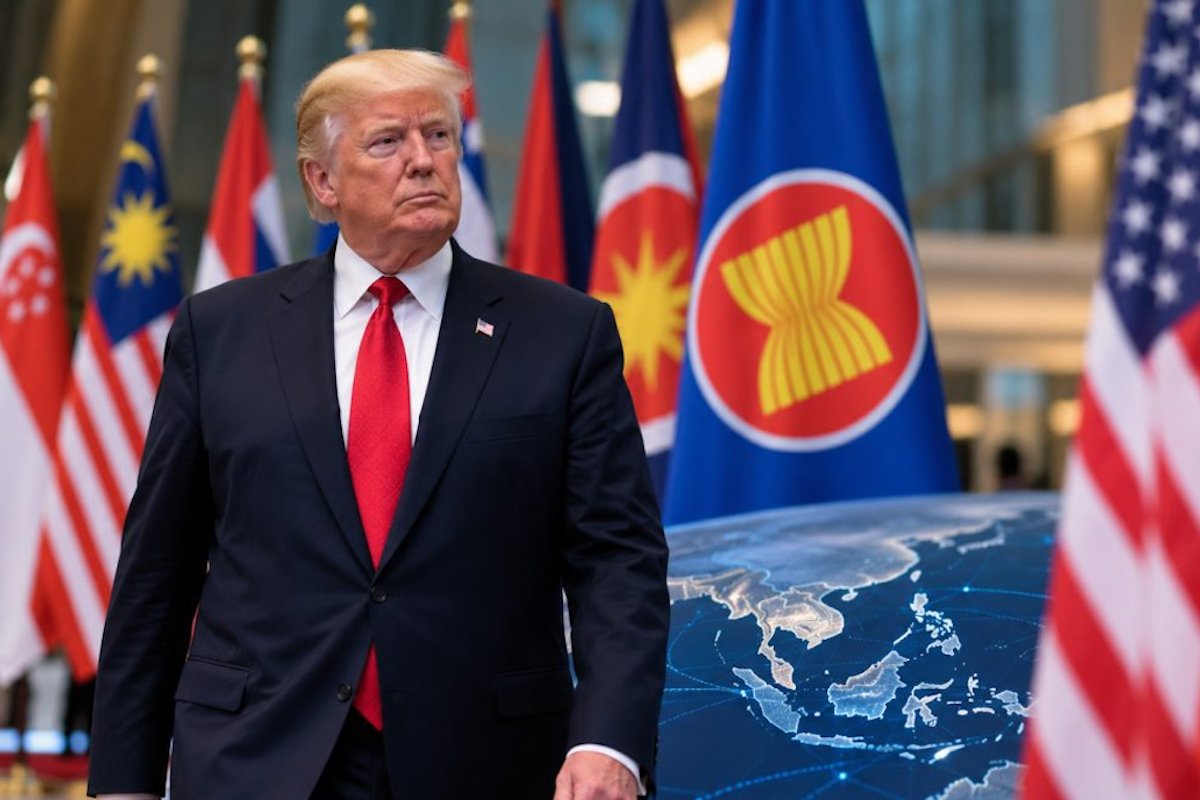
When President Donald Trump lands in Manila this week for the ASEAN Summit, his presence will carry weight far beyond the usual diplomatic pleasantries. With Southeast Asia increasingly at the center of US-China strategic competition, the visit offers Washington a chance to reaffirm its commitments. But for ASEAN, the more pressing question is not whether America stays engaged, but what kind of engagement it offers—and at what cost to the region's security, economic independence, and democratic institutions.
A region at a crossroads
Trump's arrival comes at a pivotal moment. The recent US midterm elections, which handed Democrats control of Congress, have cast fresh uncertainty over American trade and tariff policy. Meanwhile, China continues to deepen its economic and political ties across Southeast Asia, including closer defense cooperation with Laos and Cambodia, while positioning itself as a leader in global AI governance.
ASEAN members are grappling with a host of challenges: renewed Cambodia-Thailand tensions, the ongoing Myanmar crisis, a surge in cyberscam networks, and persistent South China Sea disputes. Any US engagement will be judged by its impact on these issues.
Security: more than deterrence
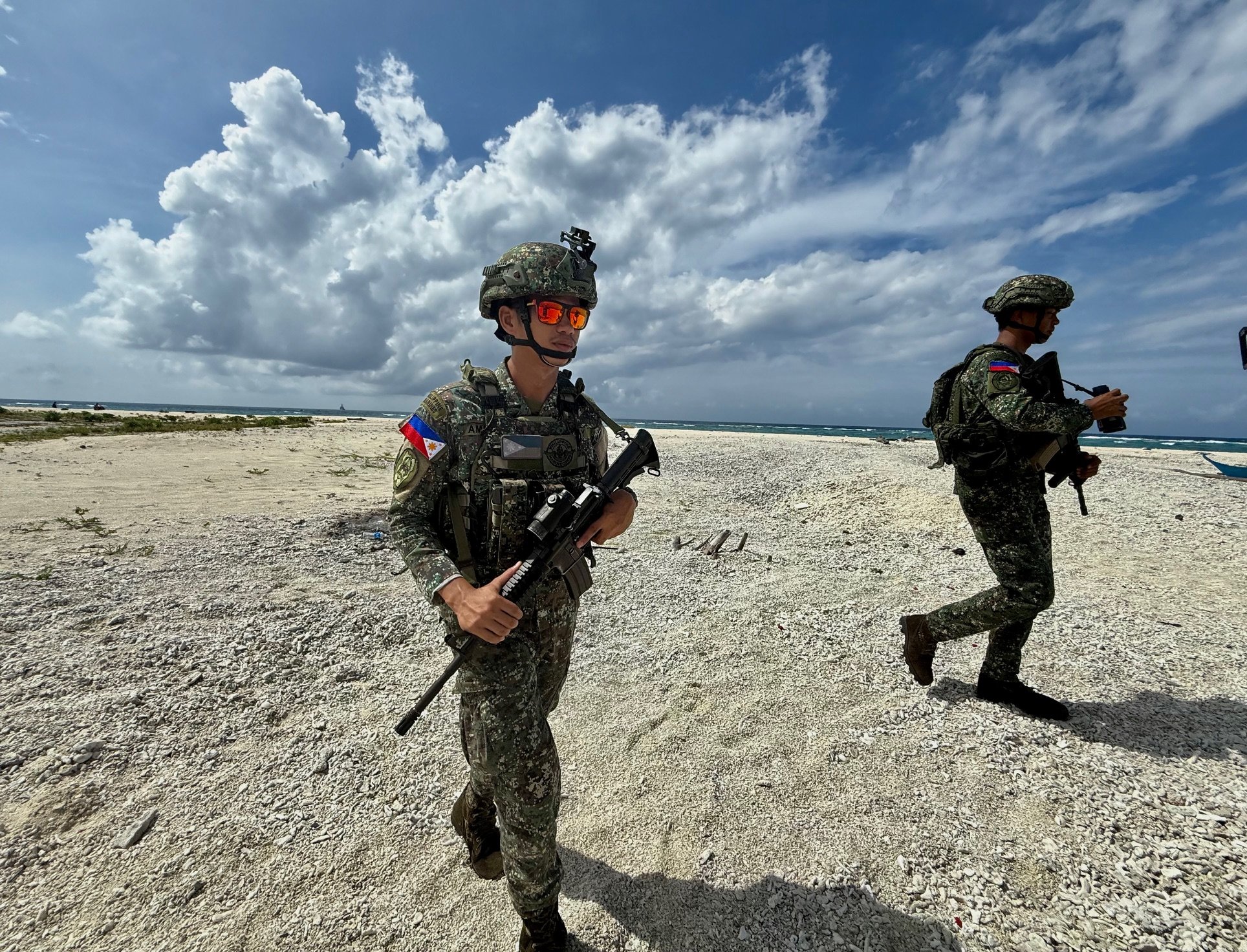
Security cooperation is likely to dominate the Manila agenda. Defense Secretary Pete Hegseth's participation in the ASEAN Defense Ministers' Meeting-Plus in Cebu, where he proposed a new US-ASEAN Framework for Defense Cooperation, signals Washington's intent to institutionalize its regional presence through enhanced maritime domain awareness and naval coordination.
The rationale is clear: the South China Sea is vital to global trade and the livelihoods of millions. Stronger regional military capabilities could bolster deterrence against Chinese coercion, a key concern for the Philippines and Vietnam. Yet ASEAN members hold divergent views on China, making a unified security alignment with Washington difficult. The bloc has long prized strategic autonomy and reducing dependence on external powers.
ASEAN needs partners that respect its centrality and recognize that regional security cannot be reduced to containing China. A framework focused solely on military deterrence, without adequate attention to diplomacy and crisis management, risks polarizing the region rather than securing it.
Trade: the perils of a transactional approach
The economic dimension is equally critical. Southeast Asian economies have spent much of the past year navigating uncertainty from Washington's tariffs, first imposed in 2025. While several countries have negotiated bilateral deals to reduce levies—though some, including Indonesia's, are not yet in effect—this piecemeal approach risks fragmenting ASEAN's collective bargaining power.
Instead of engaging with the US as an integrated bloc, the region faces a patchwork of regulatory barriers and supply chain disruptions. More troubling is what this transactional approach omits. Previous administrations, despite their inconsistencies, sometimes linked economic engagement to labor standards, human rights, and democratic governance. The Trump administration's emphasis on reciprocal trade and national interests places far less weight on these considerations.
Economic agreements are not politically neutral. They can strengthen governments, shape regulatory environments, and influence the distribution of power. If Washington overlooks democratic backsliding or attacks on institutional independence in exchange for favorable commercial terms, it signals that governance standards are negotiable when strategic interests are at stake.
Governance matters beyond borders
Weak governance has regional consequences. A UN report last year highlighted how corruption and fragile institutions enabled the proliferation of cyberfraud across Southeast Asia, costing the Asia-Pacific over $88 billion in 2025 alone. As ASEAN addresses shared challenges—Myanmar, scam networks, Thailand-Cambodia tensions—the importance of accountable governance cannot be overstated.
Trump's Manila appearance should be judged not by symbolism or the number of agreements signed, but by whether it fosters a more consistent and constructive American role. The region needs reliable security partnerships, predictable economic relationships, and an international environment that supports—not compromises—democratic institutions. For ASEAN, the summit is a test of whether Washington can be a partner that respects the bloc's centrality and helps address the region's real concerns, from maritime security to economic resilience. The stakes are high, and the outcome will shape Southeast Asia's trajectory for years to come.