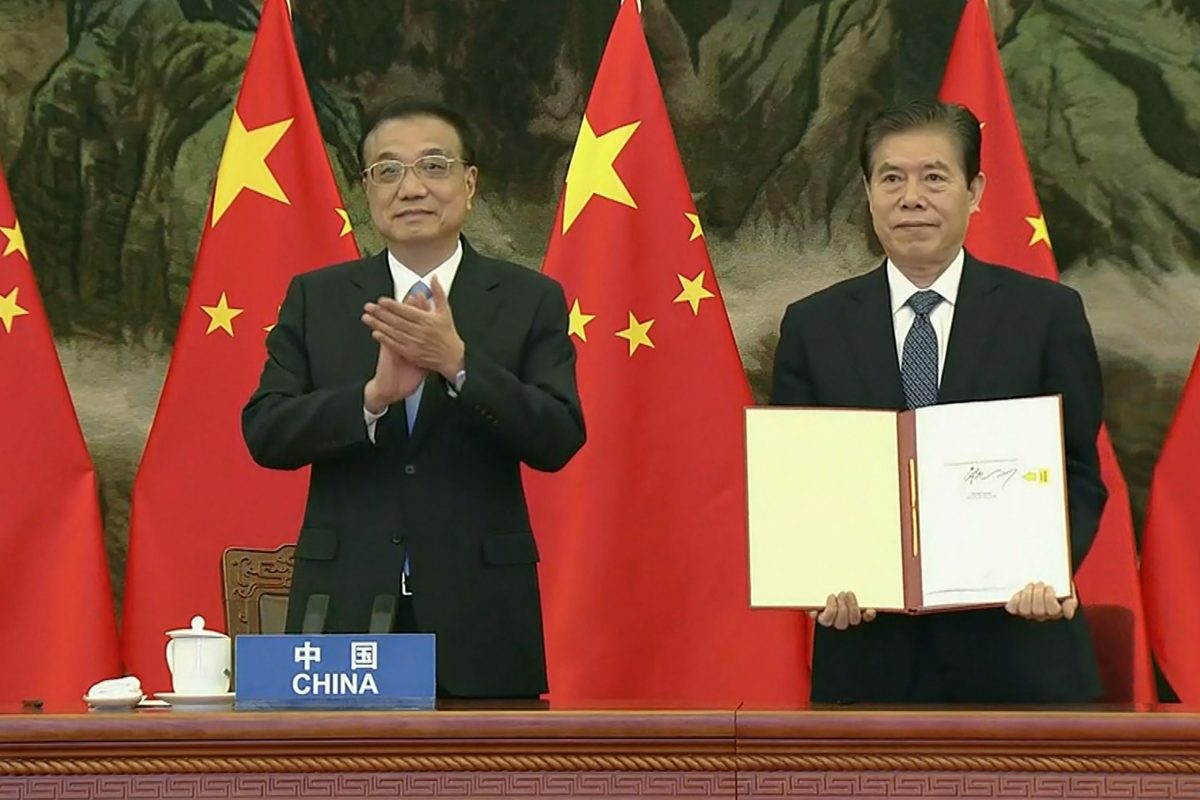
Fifteen nations across the Asia-Pacific have formally signed the Regional Comprehensive Economic Partnership (RCEP), establishing the world's largest free trade agreement by economic output. The deal, concluded during a virtual ASEAN summit, links the ten Southeast Asian economies with China, Japan, South Korea, Australia, and New Zealand into a single trading framework.
First proposed in 2012, the pact's completion after eight years of negotiation is viewed as a significant milestone for regional integration, particularly as governments seek pathways to recovery from the pandemic's economic damage. Chinese Premier Li Keqiang described the signing as "a ray of light and hope amid the clouds," asserting that it "represents the right direction of the global economy and humanity's progress."
A Framework for Post-Pandemic Recovery
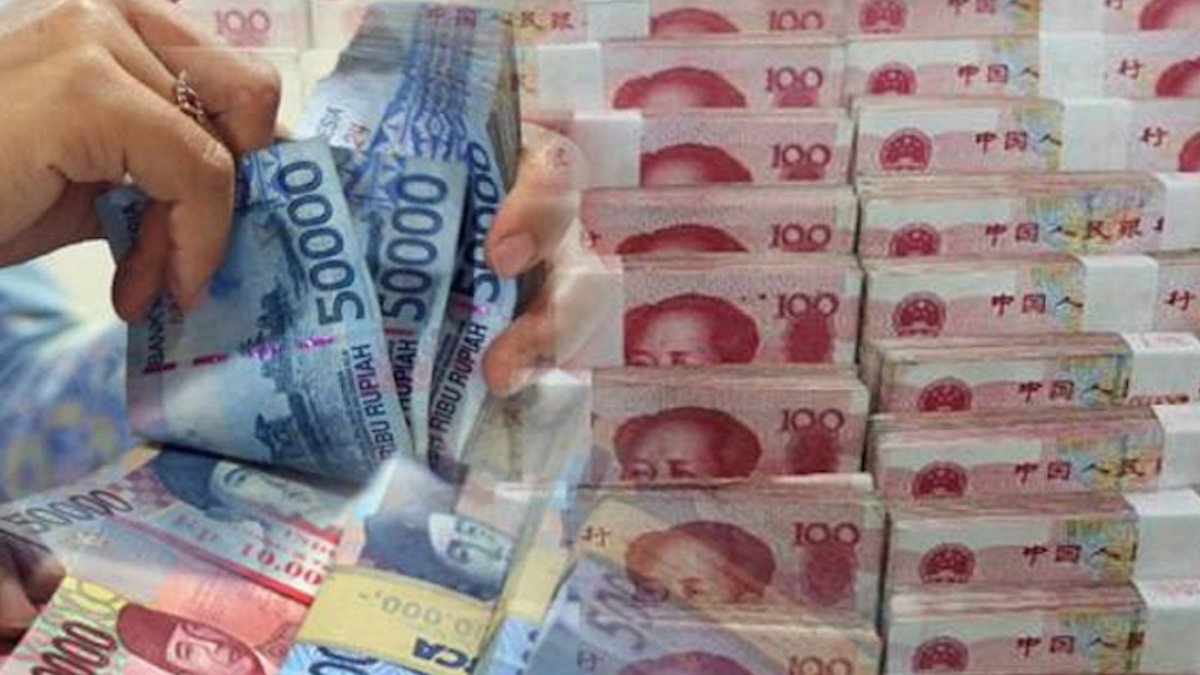
The agreement arrives as many signatories, including Indonesia and the Philippines, grapple with severe economic contractions triggered by the COVID-19 crisis. Analysts suggest the pact is designed to stimulate growth by reducing tariffs, opening service sectors, and establishing unified rules of origin. This will allow companies to export products anywhere within the bloc without navigating a separate set of regulations for each country.
"COVID has reminded the region of why trade matters and governments are more eager than ever to have positive economic growth," said Deborah Elms, Executive Director of the Asian Trade Centre in Singapore. "RCEP can help deliver it." The pact covers intellectual property but does not include enforceable standards on environmental protection or labor rights.
Even without India, which withdrew from negotiations last year over concerns about a surge of cheap Chinese imports, the bloc encompasses nearly a third of global GDP and over 2.1 billion people. Vietnam's Prime Minister Nguyen Xuan Phuc welcomed the conclusion of the "complex discussions," highlighting the prolonged diplomatic effort behind the deal.
Strategic Implications and Absent Powers
The agreement is widely seen as a strategic achievement for China, offering a Beijing-backed alternative to U.S.-led trade initiatives in the Indo-Pacific. It aligns with China's broader geopolitical and economic ambitions, complementing projects like the Belt and Road Initiative. "It solidifies China's broader regional geopolitical ambitions," said Alexander Capri, a trade expert at the National University of Singapore Business School.
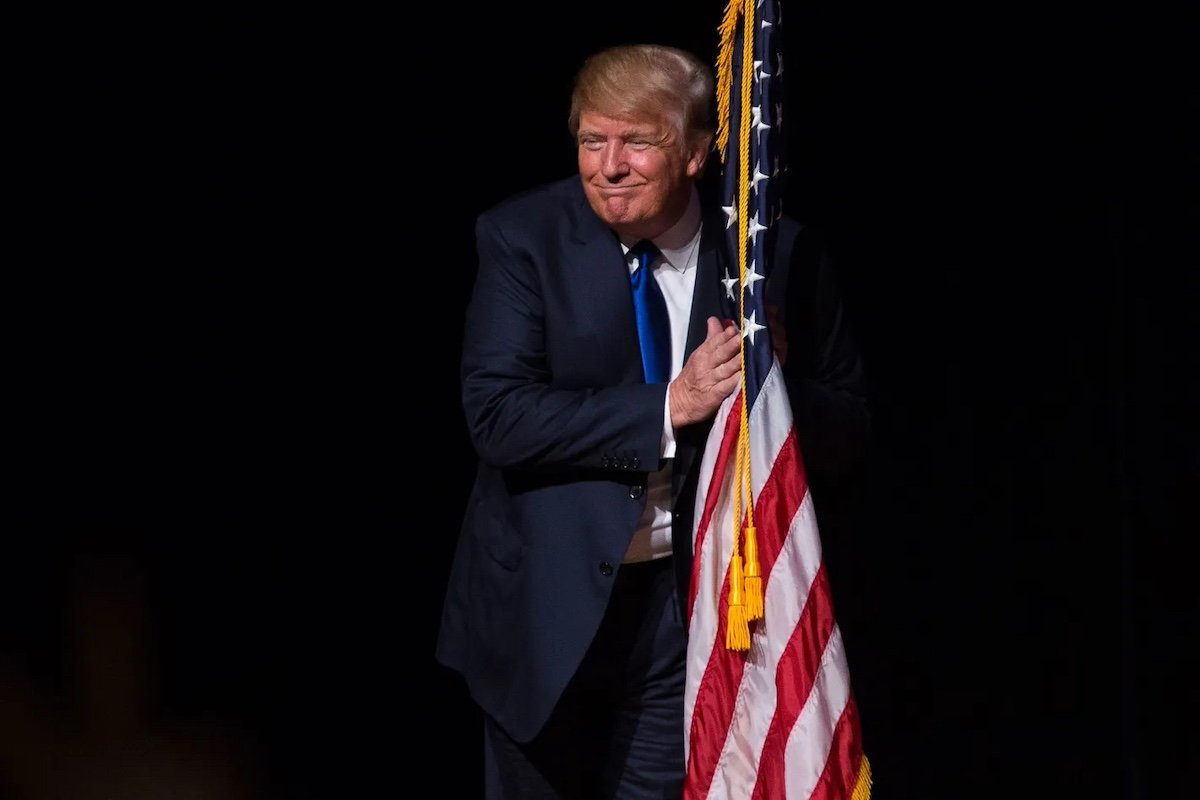
The United States is not a party to RCEP, having withdrawn from the Trans-Pacific Partnership (TPP) under former President Donald Trump. This absence has created a vacuum in regional trade architecture that RCEP now fills. Analysts note that while U.S. multinationals can access benefits through local subsidiaries, the deal may prompt the incoming Biden administration to reconsider American engagement in regional trade frameworks, such as the TPP's successor, the Comprehensive and Progressive Agreement for Trans-Pacific Partnership (CPTPP).
However, rejoining such agreements faces significant political hurdles in Washington. "Given the considerable negative response to the TPP negotiations from many segments of the U.S. electorate due to concerns about U.S. job losses to Asian countries," said IHS Markit's APAC chief economist Rajiv Biswas, this is unlikely to be an immediate priority.
The formation of RCEP occurs amid other significant trade realignments, such as the advancing EU-India trade negotiations, and broader debates about how China's industrial capacity shapes global trade. It also adds a new dimension to the strategic calculus of U.S. allies in the region, including Australia, which is a signatory to both RCEP and the security-focused AUKUS pact with the U.S. and U.K.
The long-term impact of RCEP will depend on its implementation and how member nations balance their economic ties with China against other strategic interests. Its success could further incentivize India to reconsider its position, while simultaneously challenging the United States to articulate a coherent trade strategy for the Indo-Pacific.