Judicial Check on Trade Powers Offers Temporary Respite
Governments and financial centers across Asia are analyzing the implications of a landmark US Supreme Court decision that struck down a key legal basis for presidential tariffs. The ruling, delivered last Friday, found that the International Emergency Economic Powers Act (IEEPA) of 1977 does not confer upon the US president the authority to unilaterally impose import taxes. While initially welcomed by trading nations, the relief in capitals from Tokyo to New Delhi is tempered by the expectation that the Trump administration will aggressively pursue alternative measures.
"This is a setback for the administration and a reminder that checks and balances still operate," said Michael Froman, president of the Council on Foreign Relations and a former US Trade Representative. "But in the long run, we are still likely to be living in a global economy defined by higher tariffs than existed prior to the Trump administration." The decision specifically curtails the use of tariffs as a tool for geopolitical leverage outside the strict trade domain, a frequent tactic during President Donald Trump's first term.
Plan B in Motion, Plan C a Mystery
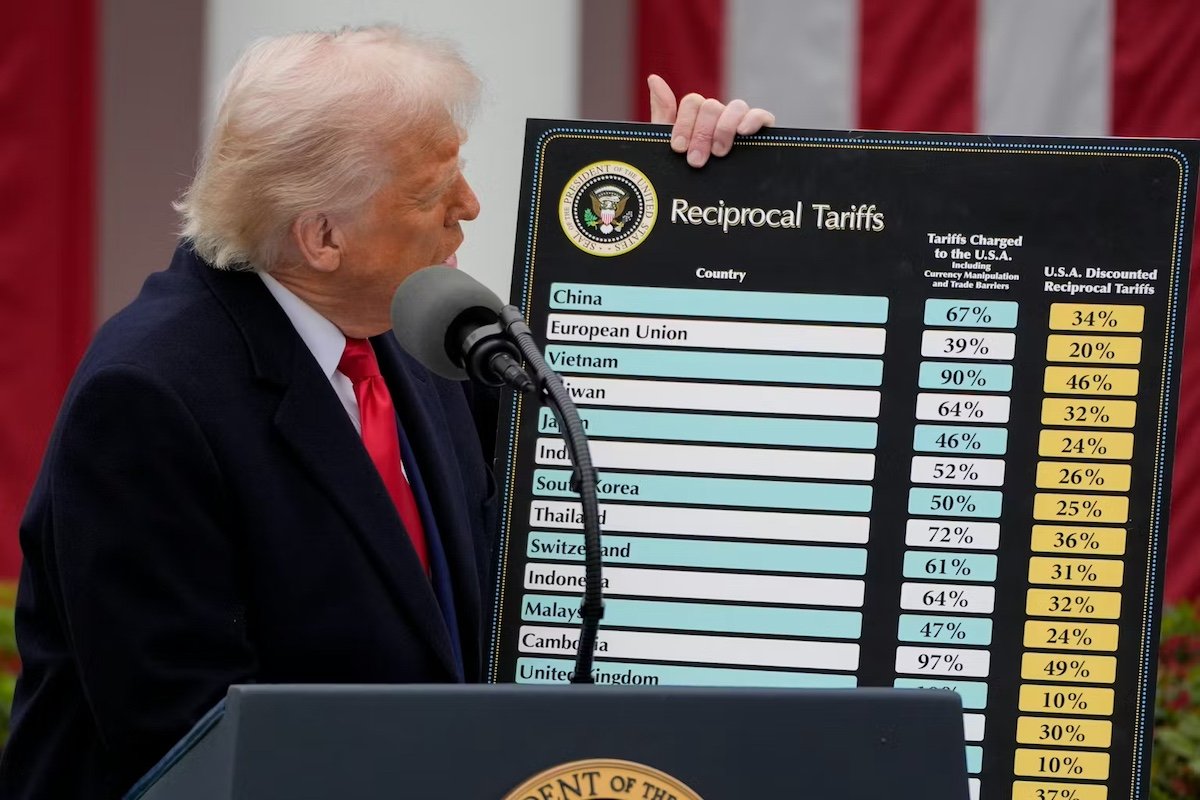
Within hours of the ruling, the White House announced a 'Plan B': a push for a universal 15% tariff on all imports. This measure, however, faces its own legal challenges and a 150-day statutory limit. For Asian exporters who have been bracing for this exact scenario, the clarity of a ceiling provided some comfort, contributing to a broad rally in regional stock markets on Monday.
The greater concern for the region is the specter of an undefined 'Plan C.' With domestic political pressures mounting—including sliding approval ratings, slowing economic growth, and the fallout from the Jeffrey Epstein scandal—analysts fear a cornered US president may resort to more unpredictable economic weapons. "We would not be surprised to see a meaningful tariff escalation/response from the White House sooner rather than later," said Chris Krueger, managing director at TD Cowen Washington Research Group.
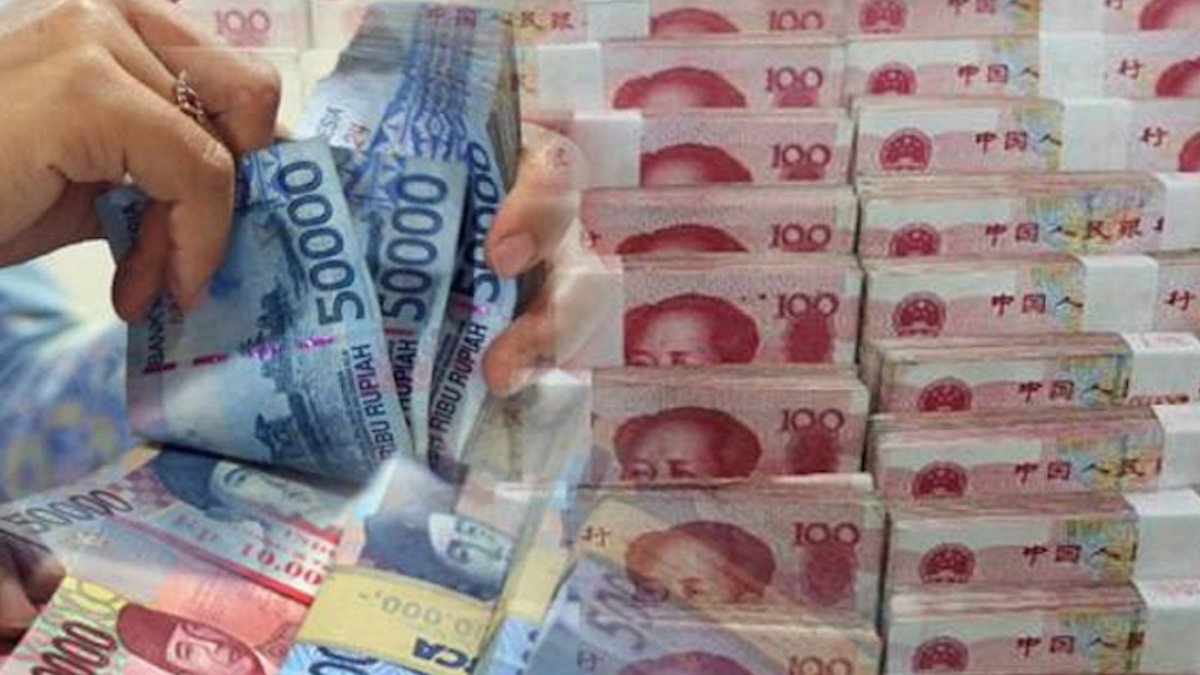
One area of intense speculation is currency policy. Trump World has long angled for a weaker US dollar to boost American exports, a move that would dramatically impact Asian central banks and export-driven economies. The potential for such a shift keeps finance ministers awake at night, particularly in trade-reliant nations like Japan, where the yen is already under significant pressure.
Legal Battles and Refund Demands Create New Uncertainty
The court's decision triggers a massive logistical and financial headache for the US Treasury, which must now process refunds for tariffs collected under the invalidated authority. JP Morgan economist Michael Feroli estimates refunds could reach $200 billion to US businesses. States like Illinois are also demanding compensation for their citizens.
"Swift refunds of the impermissible tariffs will be meaningful for the more than 200,000 small business importers in this country," said Neil Bradley, executive vice president of the US Chamber of Commerce. However, policy experts warn that the administration is prepared to fight back. "The reality is that the administration has been anticipating this and has warned that they will pull other levers to quickly reinstate any tariffs ruled illegal," noted Diane Swonk, chief economist at KPMG.
Legal teams within the administration are already scrutinizing other sections of US trade law, including Sections 201, 232, 301, and 338 of the Trade Act of 1974, to find new justifications for tariffs. This suggests a future of targeted, disruptive announcements aimed at keeping trading partners off-balance.
Asian Allies Reassess Leverage in Bilateral Deals
The ruling may empower Asian leaders to renegotiate deals struck under duress. A key example is the $550 billion "signing bonus" investment pledge the Trump administration extracted from Japan in exchange for limiting tariffs to 15%. With the legal foundation for those threats weakened, Tokyo may find new confidence to recalibrate the agreement. Prime Minister Sanae Takaichi's government has announced only an initial $36 billion of the pledged funds.
Similarly, South Korea, which faced a $350 billion demand from Trump World, may see an opening to adjust its commitments. The moment presents a strategic opportunity for allies to move from what many described as an "abusive relationship" during Trump's first term to a more structured, rules-based engagement. This recalibration is occurring against a backdrop of broader global instability, where Asian economies remain vulnerable to energy shocks from conflicts in the Middle East.
The ultimate wildcard, analysts caution, is whether President Trump might simply defy the judicial branch, daring the Supreme Court to enforce its ruling. Such a constitutional crisis would plunge the global trading system into unprecedented chaos, with Asia's export-oriented economies on the front lines. For now, the region watches Washington closely, knowing that the form of trade uncertainty has merely shifted, not faded.