Six weeks after the United States launched Operation Epic Fury, a military campaign targeting Iran, the conflict has settled into a costly stalemate with profound implications for the Indo-Pacific. The initial strike, which killed Supreme Leader Ali Khamenei, triggered a massive regional retaliation. Iranian missiles and drones caused significant damage across several countries, resulting in thousands of fatalities in Iran and Lebanon, dozens more in Israel and Gulf Arab states, and displacing millions.
The strategic Strait of Hormuz, a chokepoint for roughly one-fifth of global oil and gas, has been transformed into an active war zone. This development sends immediate shockwaves through energy markets and directly threatens the economies of Asia's major industrial powers.
A Naval Blockade with Global Repercussions
The US military's Central Command has announced a naval blockade of Iranian ports, set to begin imminently. This maximalist approach, doubling down on a strategy of 'maximum pressure,' carries significant risks. Oil prices have already surged over 31% since hostilities began. Analysts warn that elevated prices could persist through 2026 due to lasting damage to infrastructure and shipping lanes, a dire forecast for energy-importing nations.
This blockade does not merely target Tehran; it applies pressure to key US allies and partners. The economies of Tokyo, Seoul, and New Delhi are particularly vulnerable to disruptions in hydrocarbon flows from the Persian Gulf. The move also presents a strategic opportunity for Beijing, which has cautiously positioned itself as a potential mediator, to enhance its geopolitical influence. As explored in our analysis on the petroyuan's potential rise, such crises can accelerate shifts in global financial architecture.
Within Iran, the regime has been handed a powerful unifying tool: a foreign enemy. The fundamental question overlooked by war planners is clear: when a foreign power bombs your cities and blockades your ports, public sentiment rallies against the external threat, not the domestic government.
Unworkable Maximalism and the Path to Negotiation
The stated US and Israeli objective was to induce regime change and cripple Iran's nuclear and missile programs. After 44 days, the regime, while battered, persists. Iran's proxy network has been activated, with Hezbollah joining the conflict and Houthi forces resuming attacks on shipping in the Red Sea. Further military escalation, including any potential ground operation to secure the Strait of Hormuz, would represent a historic strategic miscalculation.
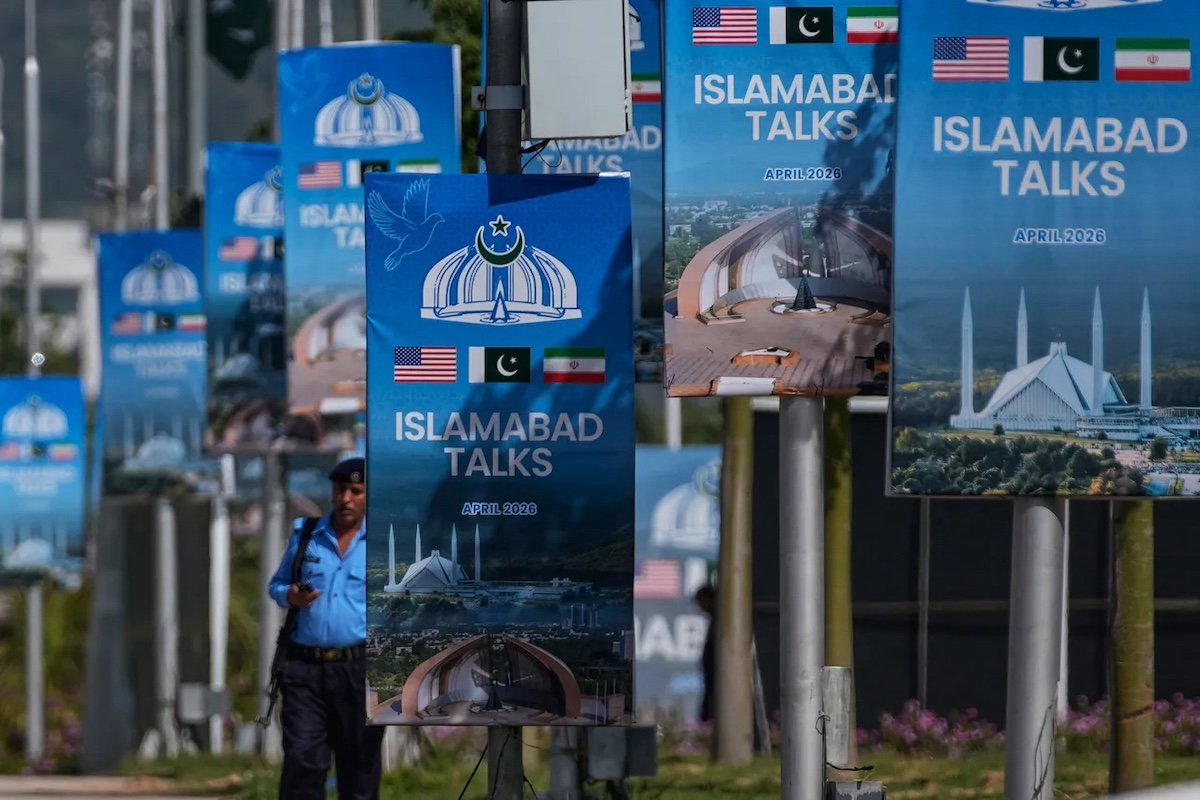
Recent high-level talks in Islamabad—the first such direct engagement since 1979—collapsed without agreement. The US presented a list of demands tantamount to surrender: an end to all uranium enrichment, dismantlement of major facilities, retrieval of highly enriched uranium, cessation of funding for allied groups, and full, toll-free opening of the Strait of Hormuz. Iran, in turn, demanded control of the Strait, war reparations, and a regional ceasefire including Lebanon.
As our recent analysis notes, this conflict appears headed for a protracted stalemate. The incompatible demands are not evidence that negotiation is impossible, but that neither side has yet absorbed enough pain to make compromise politically viable domestically.
A negotiated settlement remains the only viable path to avoid a prolonged quagmire or a broader regional war that could draw in other major powers. It requires Washington to perform a difficult but essential task: distinguishing between core security interests, such as preventing a functional Iranian nuclear weapon, and a maximalist wish list for total capitulation. The administration's stance, as seen in its handling of other files like the Federal Reserve nominations, often prioritizes pressure over pragmatic diplomacy.
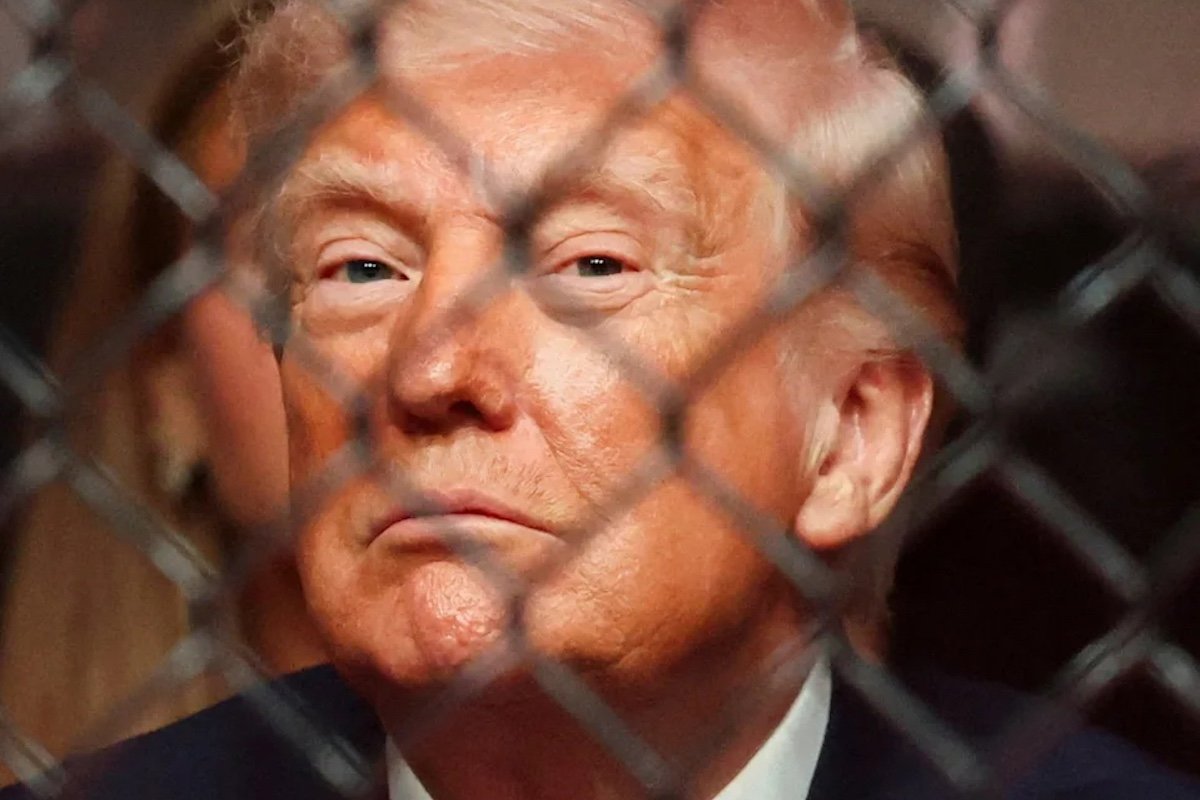
The conflict now forms a strategic cage for the Trump administration. Escalation risks a catastrophic wider war and deeper alienation of Asian allies. Maintaining the blockade inflicts continuing economic damage on key partners like Japan and South Korea, and empowers China. Yet, pursuing a realistic negotiation would require publicly scaling back objectives declared at the outset of Operation Epic Fury.
For Asian nations, the ongoing crisis is a stark reminder of their vulnerability to Middle Eastern instability and the high cost of US foreign policy choices. It forces urgent calculations about energy diversification, strategic stockpiles, and diplomatic hedging. The looming US-China summit will now occur under the shadow of this conflict, with Beijing poised to leverage Washington's predicament. The path forward is fraught, but the cost of continued stalemate is being paid daily in global markets and in the growing instability of a critical region.