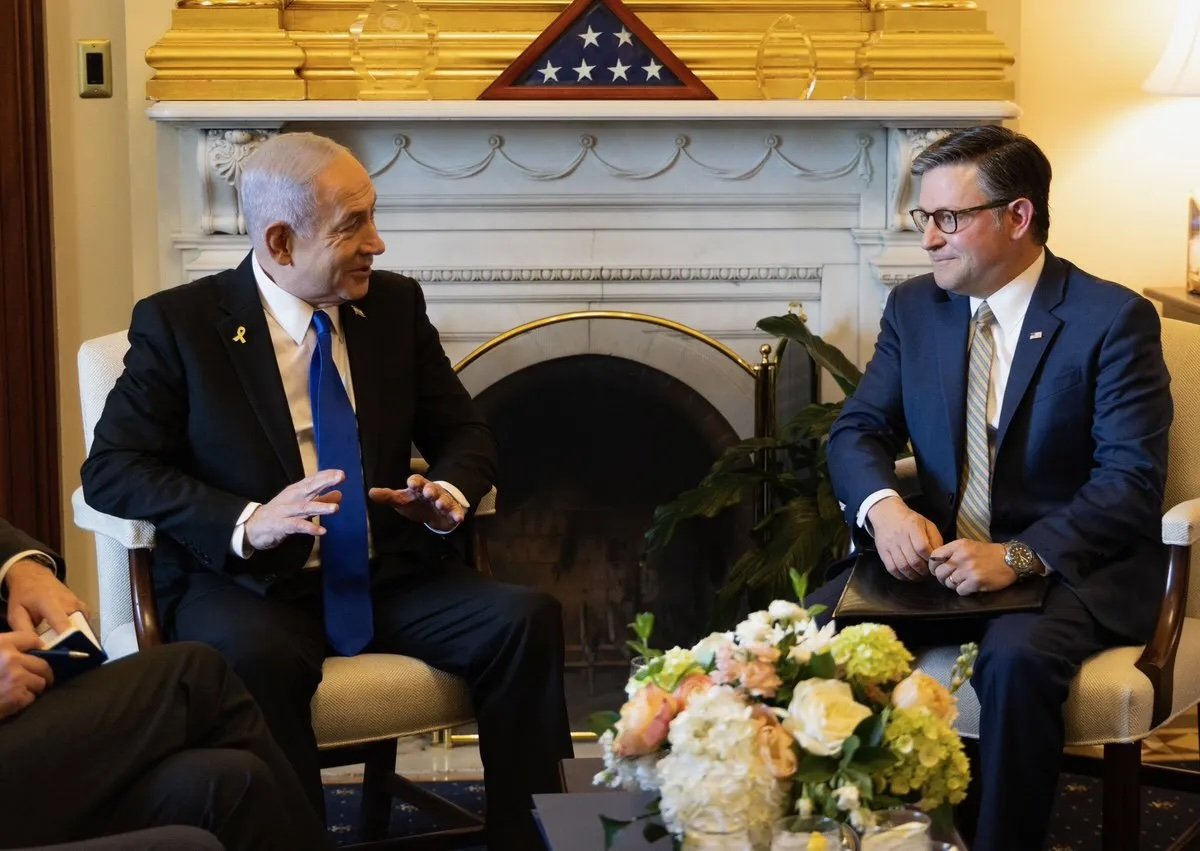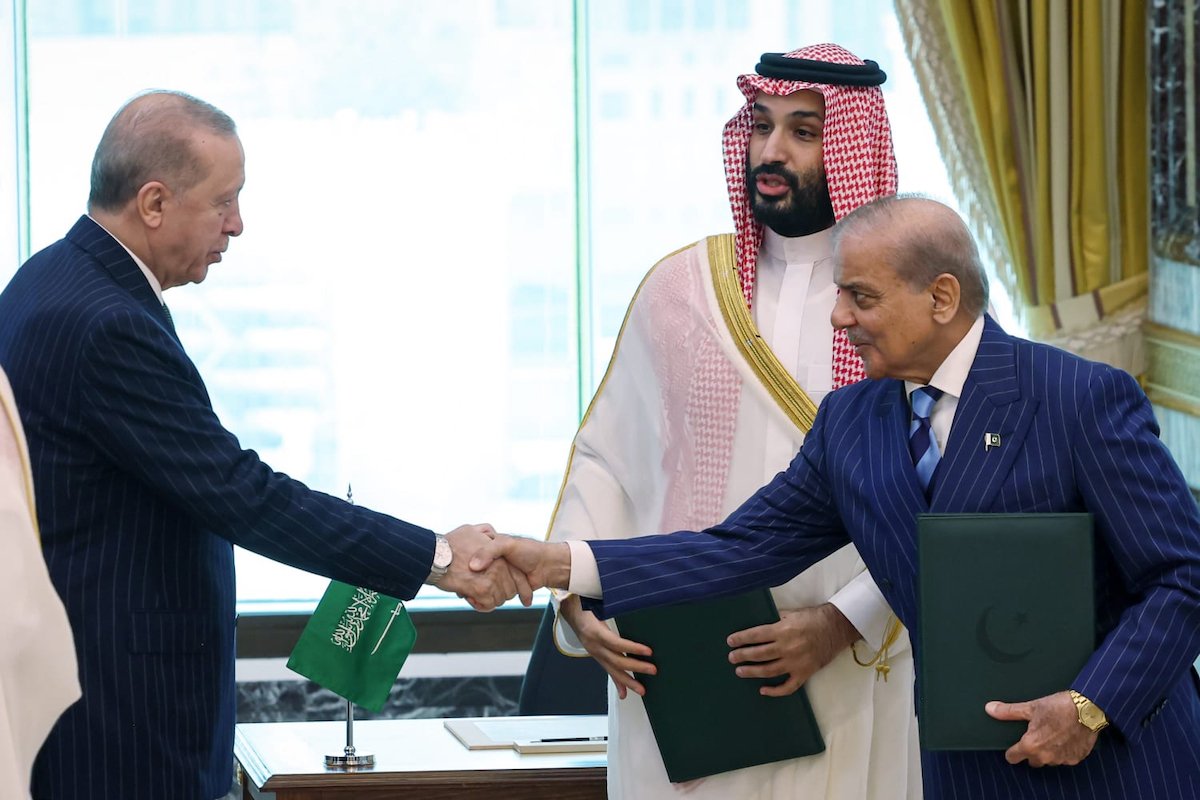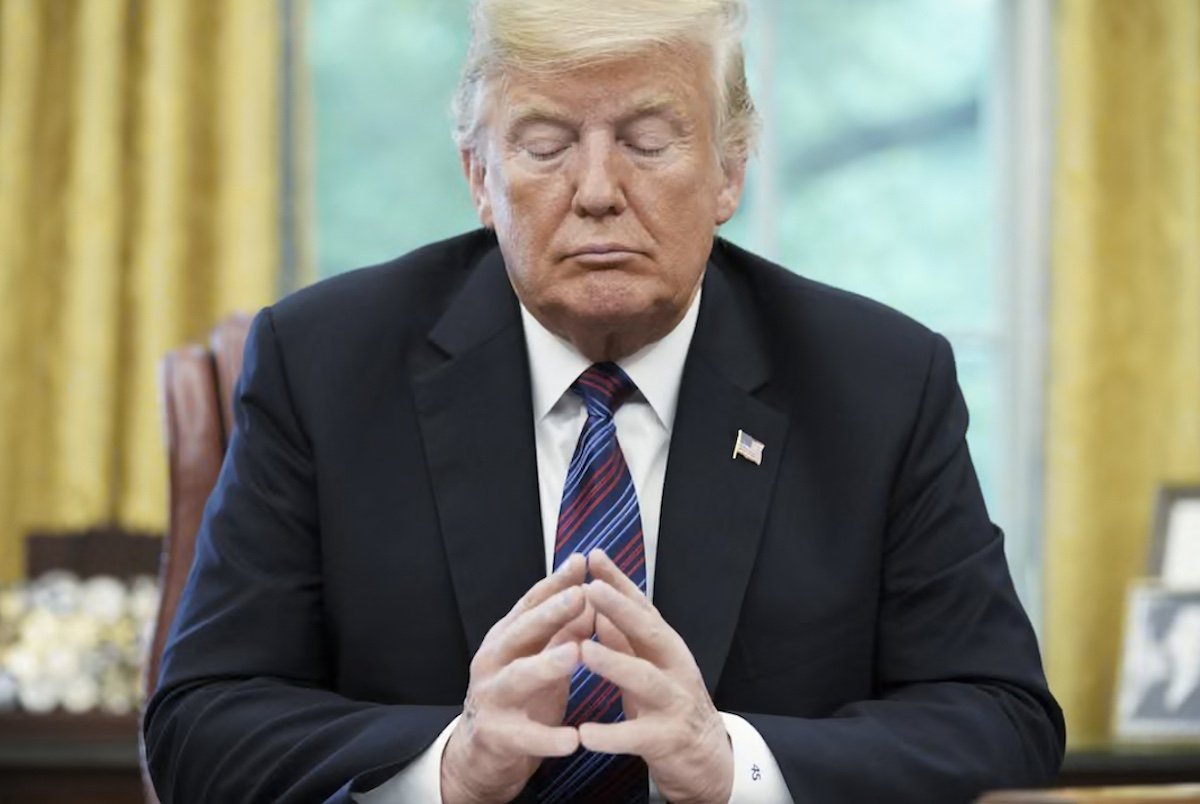
The recent US midterm elections delivered a decisive rebuke to President Donald Trump and his political movement. Democrats secured control of both chambers of Congress, including Senate seats in states that had not voted Democratic in generations. Voters, frustrated by rising prices, corruption, and an unpopular war with Iran, sent a clear message.
But this moment is about more than just moving past one man. It is an opportunity for Americans to confront the deeper structures of power that made the Trump presidency possible—and to ask whether the United States should continue to wield its military might as it has for decades.
The administration is already trying to distance itself from the Iran war. Vice President JD Vance has blamed the conflict for the Republican defeat. On Election Day, Trump told Fox News he planned to end military aid to Israel, though he admitted the announcement was timed to deny his opponents a talking point. Republicans are now circling around Secretary of War Pete Hegseth as a scapegoat, reminiscent of George W. Bush's firing of Donald Rumsfeld after the 2006 midterms. An impeachment vote could come as early as next week.
This double-talk is familiar. Trump ran against endless wars, then started a new one. Now he speaks of peace again. But the problem is not just Trump's hypocrisy. The presidency itself retains the dangerous power to launch wars without legal authorization. American military forces remain deployed around the world, and paramilitary agencies like ICE and Customs and Border Patrol continue to operate in ways that many see as violating US law.
Voters rejected Trumpism at the ballot box. The question now is whether they will demand that these powers be stripped from the presidency, or simply hand them to someone else.
Echoes of Vietnam
Nearly sixty years ago, Martin Luther King Jr. posed a similar challenge in his speech at Riverside Church, 'Beyond Vietnam.' King did not merely want to end that war; he wanted Americans to confront the racism, materialism, and militarism that made it possible. He had seen hope in Lyndon Johnson's War on Poverty, but as Vietnam escalated, that hope was crushed. The war consumed the money and political will needed for domestic programs.
Trump returned to the White House promising to lower prices. Instead, his war with Iran has driven up the cost of gasoline, food, and electronics. Mortgage rates and borrowing costs have climbed. Businesses are hesitant to expand or hire, and families struggle to plan for the future. Americans were promised relief; they got a war they never asked for.
Now the administration is asking for even more military spending. The United States spent about $954 billion on defense in 2025. Trump is proposing $1.5 trillion for 2027, while seeking cuts to domestic programs. After seeing what a near-trillion-dollar war budget has wrought, why would anyone believe that an extra $500 billion will improve American lives?
This is not a problem Trump invented. The US helped overthrow Iran's prime minister in 1953, fought in Vietnam, invaded Iraq and Afghanistan, and supplied weapons used in the destruction of Gaza. It has undermined democracies in Latin America, Africa, and Asia, backing dictatorships when convenient. Both Republicans and Democrats have participated.
For generations, the US has acted as if it has a special right to decide the fate of other nations. It condemns invasions when others commit them, but makes exceptions for itself. This is not imperialism, the narrative goes—it is spreading democracy, even when the recipients have not asked for help.
Racism has always underpinned this attitude. Trump's talk of 'shithole countries' and Muslim bans is vulgar, but not new. For US policy, some lives have always counted for less than others. That attitude does not stay overseas. It appears when ICE agents terrorize immigrant neighborhoods, when police treat protesters as enemies, and when troops are sent into American cities.
The midterm results offer a chance to rethink American power. For Asia, this matters deeply. The US has long been a security anchor for Japan, South Korea, and other allies. But a presidency that starts wars on a whim and treats alliances as transactional creates uncertainty across the region. As the Iran war reshapes Trump's Asia calculus, leaders in Tokyo, Seoul, and elsewhere are watching closely. The question is whether the US will use this moment to redefine its role—or simply repeat the mistakes of the past.