In a pointed reply to critics, Cambodian authorities have defended their campaign against online scam operations, urging that the country's current record be assessed on the basis of verifiable actions rather than past failures. The response follows an op-ed by opposition figure Mu Sochua, who argued that this week's international anti-scam summit in Phnom Penh was an exercise in public relations rather than a genuine reckoning.
Officials acknowledge that the problem is not fully eradicated. Smaller, less visible scam operations persist, they concede. But they insist that the large, openly operating scam compounds that once dotted the Cambodian landscape have been systematically dismantled, and that the focus has shifted to the criminal networks behind them.
Numbers that tell a story
Since July 2025, Cambodian authorities say they have investigated 832 locations suspected of hosting online scam operations and conducted raids at 663 of them. Eighty-six compounds have been shut down. In total, 446 cases involving 3,927 individuals from 29 nationalities have been referred to the courts, including alleged ringleaders. The Anti-Corruption Unit has also pursued four cases against 15 senior officials and law enforcement officers, signaling that the crackdown is not limited to low-level operatives.
Financial enforcement has been a key component. More than US$300 million in bank accounts linked to scam networks have been frozen, a move that targets the profit motive that sustains these operations.
The government points to the Law on Combating Online Scams, enacted in April, as a legal foundation that grants authorities stronger powers to prosecute organizers and supporters. "No one is above the law," the statement insists, pushing back against suggestions that influential figures are shielded from accountability.
International cooperation, not image management
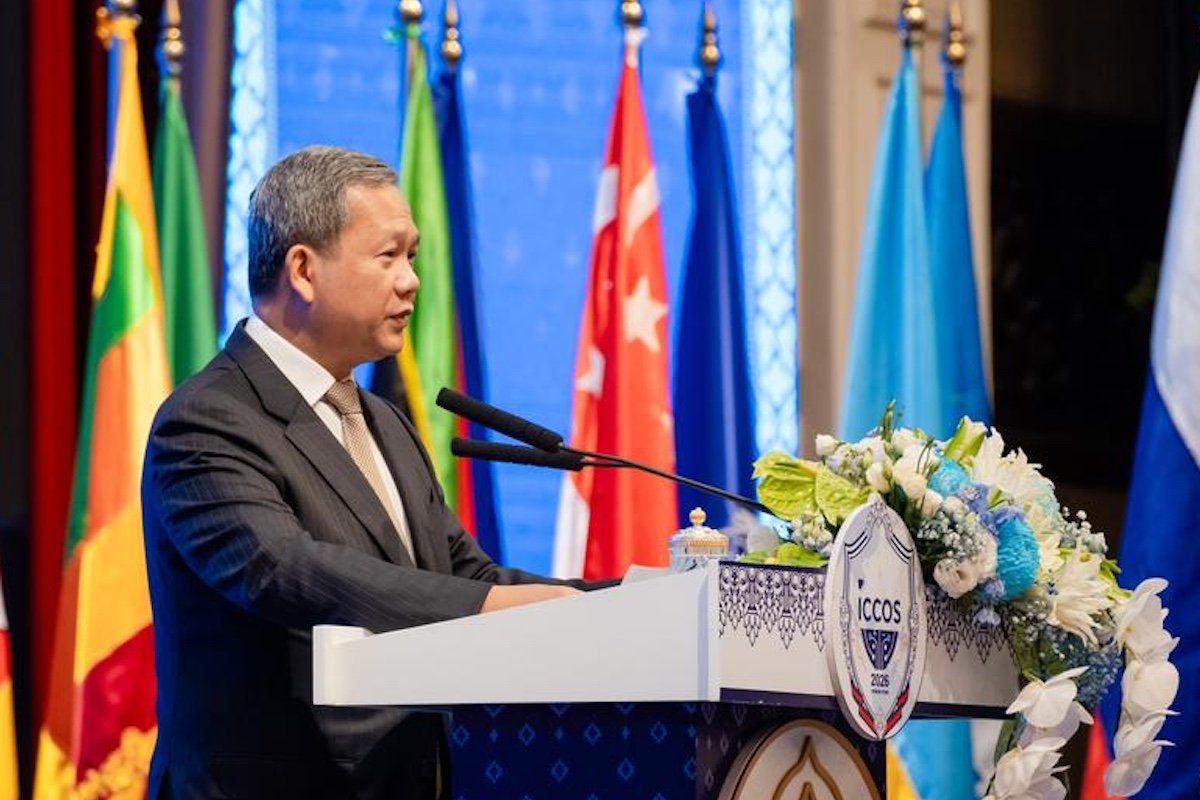
The International Conference on Combating Online Scams (ICCOS 2026), held this week in Phnom Penh, is framed by officials as a practical working session rather than a diplomatic showcase. Attendees include representatives from the FBI, INTERPOL, the UN Office on Drugs and Crime, ASEAN, and the UK Home Office, alongside ministers and law enforcement officials from across Asia and beyond.
The stated goal is to strengthen cross-border cooperation in pursuing the criminal networks and tracing illicit money flows. As Cambodia shuts scam hubs but needs global help to trace the money, the risk remains that operations shut down in one country simply re-emerge elsewhere. International coordination is seen as essential to closing that loophole.
Cambodia has also invited international journalists to visit former scam compounds, question officials, and assess progress firsthand. The invitation is not a bid for uncritical endorsement, officials say, but an appeal for a fair judgment based on evidence.
The broader context is complex. Cambodia's economy has long relied on sectors that now face scrutiny, and the country is facing a narrowing window to diversify before 2029 trade shift. The anti-scam campaign is part of a larger effort to reshape the country's international image and economic trajectory.
Critics like Mu Sochua remain skeptical, pointing to past failures and the government's human rights record. But the Cambodian response is a clear signal that the authorities are prepared to defend their actions with data and open doors. Whether that will satisfy international observers remains to be seen, but the invitation to scrutinize the evidence is a step that deserves attention.
As the region grapples with the transnational nature of cyber fraud, the effectiveness of Cambodia's crackdown will ultimately be measured by whether the networks are truly dismantled or merely displaced. The coming months will show whether the promised accountability extends beyond the compounds to the financial and political structures that enabled them.