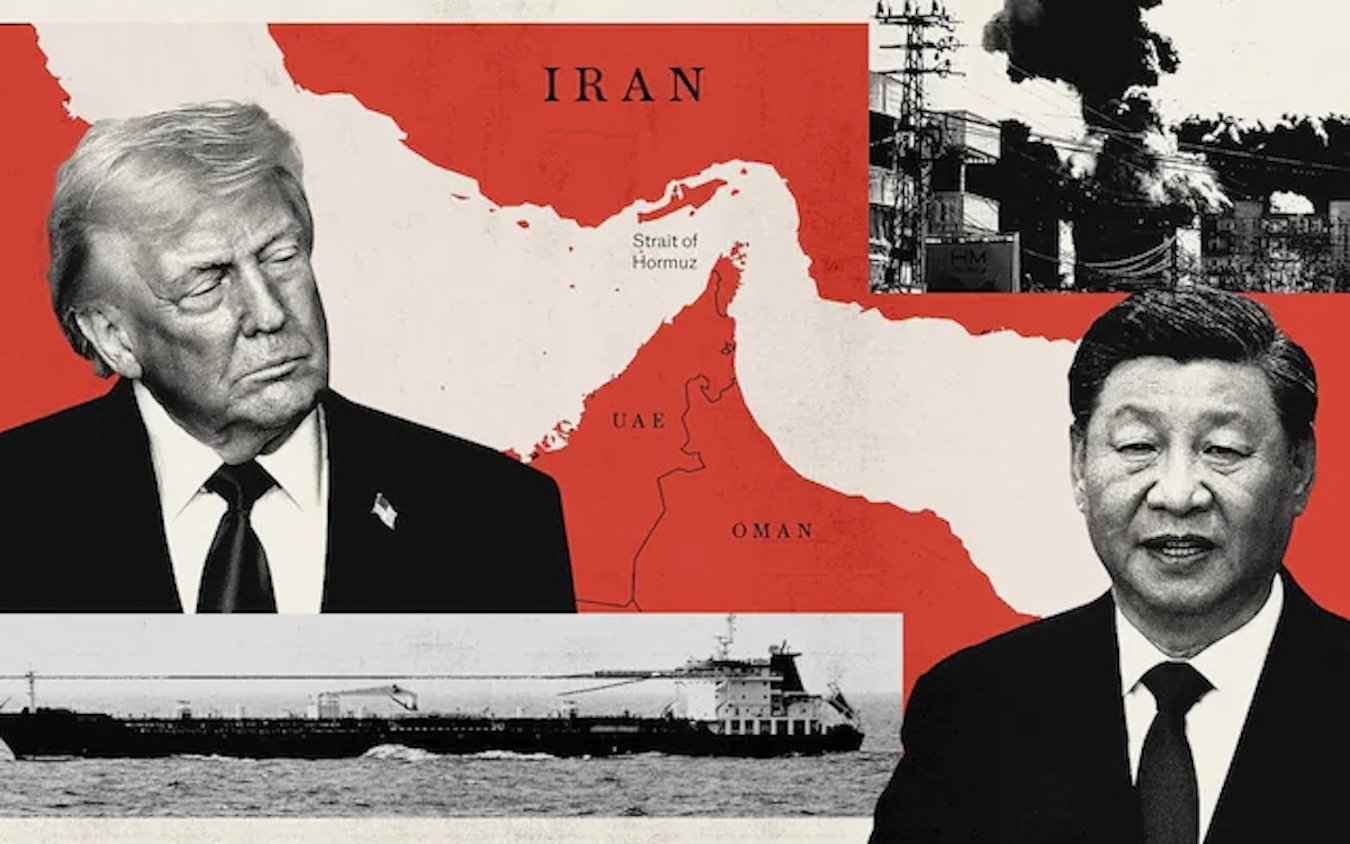
Beijing is walking a tightrope as the United States escalates its economic war on Iran, with new sanctions explicitly targeting Chinese companies. The six-month-old conflict between Washington and Tehran has entered a new phase, and China—Iran's largest oil customer—finds itself in the crossfire.
On Monday, the US Treasury launched Operation Economic Outcast, a whole-of-government campaign to isolate Iran by severing its financial and logistical networks. The action designated nearly 60 entities, individuals, and vessels across five sectors, including digital assets, technology, gold, aviation, and shipping. Among those named were 16 Hong Kong- and Shenzhen-based firms accused of acting as procurement, logistics, or shipping fronts for Iran's trade network.
The list includes Shenzhen Sweet Ocean Technology Ltd, Shenzhen Huamei Lianyun International Logistics Co Ltd, Shenzhen Bositong Logistics Co Ltd, and Bositong Supply Chain Shenzhen Co Ltd, among others. These companies span equipment procurement, oil and gas trading, shipping, and logistics—sectors that have become battlegrounds in the US campaign.
A wartime analogy
US Treasury Secretary Scott Bessent framed the campaign in sweeping historical terms, comparing it to a wartime offensive. “In the Second World War, D-Day marked the historic beginning of a campaign with our allies to target and drive the enemy from its positions, including those in third countries,” he said on August 24. “Today, in that same spirit, we are launching an economic onslaught against Iran's financial connections around the globe. Our objective is to sever every economic lifeline that sustains this tyrannical regime until Tehran stands alone.”
Bessent warned that any entity facilitating money laundering for Iran would be removed from the US dollar system. “An economic engagement of any kind with this murderous regime will expose those responsible to the full reach of American power,” he said. He added that governments still financing Tehran have a limited window to comply before the Treasury acts unilaterally.
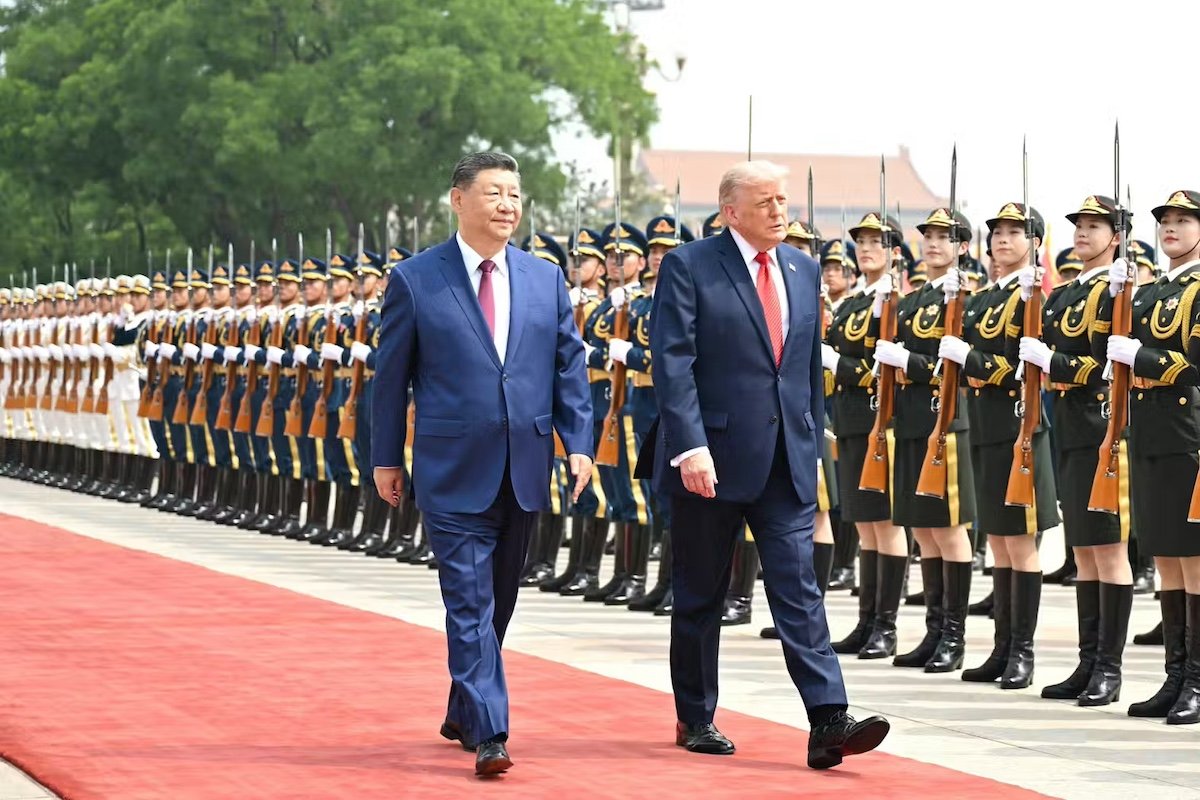
The new sanctions come ahead of a summit between US President Donald Trump and Chinese President Xi Jinping at the White House, scheduled for September 24. The Chinese Foreign Ministry has criticized the campaign, vowing to “do everything necessary to firmly safeguard its rights and interests.”
Chinese commentators split
Reactions among Chinese commentators have been mixed. Some argue the indirect fallout on China should not be underestimated. “What Chinese readers really need to pay attention to in this round of US sanctions on Iran is not just whether Tehran can hold on, but that Washington has widened its target from Iran itself to outside players with energy, shipping, or financial ties to the country,” says a Liaoning-based columnist using the pen name “Ciyuanjun.” “China has been pulled directly into that expanded campaign.”
She warns that if Washington keeps expanding secondary sanctions, Chinese refining, shipping, and trade-finance firms linked to Iran will face growing uncertainty. The US Treasury had already targeted China's independent refiners and several mainland and Hong Kong firms in previous rounds; the latest list adds more Chinese shipping and business entities. While ordinary Chinese workers are not seeing their wages drop right away, the effects are being felt.
If Washington widens sanctions further while the Strait of Hormuz remains high-risk, elevated energy costs would squeeze China's corporate profits and gradually erode household purchasing power as the effects ripple through shipping, feedstock, and consumer prices. “The negative spillover from US policy is undeniable, and it is already a reality,” says Tinglan, a columnist with Zhouji Kuaibao, an online outlet. “Data show that China has long been a major buyer of crude oil from the region. If Washington imposes secondary sanctions indiscriminately on normal international energy trade, it will inevitably hurt China and shake the stability of the global energy market.”
Tinglan suggests Beijing could push back in several ways: actively enforcing Chinese rules that block foreign laws' extraterritorial reach, barring domestic firms and banks from complying with unilateral US sanctions; calling its trade with Iran normal commerce between sovereign states and rejecting Washington's long-arm jurisdiction as a breach of the UN Charter; and responding with proportionate or sharper countermeasures, given that US inflation and looming elections limit Washington's appetite for a full break. Iran is also likely to retaliate more forcefully, damaging US facilities in the Middle East.
Teapots running dry
Since the US and Israel launched their military campaign against Iran on February 28, Washington has steadily tightened sanctions on the Chinese networks that keep Iranian oil flowing, targeting small independent refiners known as teapots and the shadow fleet of tankers that supplies them. Many sanctioned teapots have struggled to keep running. Port operators in Shandong have turned away tankers carrying their crude, banks have cut off financing for oil purchases, and gasoline exports from one loading hub have dried up since late March, pushing local fuel prices higher. Still, the broader Chinese economy has so far absorbed the shock with little strain.
Bessent also said Monday that a major financial institution would be sanctioned within the week, signaling that the campaign is far from over. For Beijing, the challenge is to navigate a path that preserves its economic interests without provoking a direct confrontation with Washington—a balancing act that grows more precarious with each new round of sanctions.