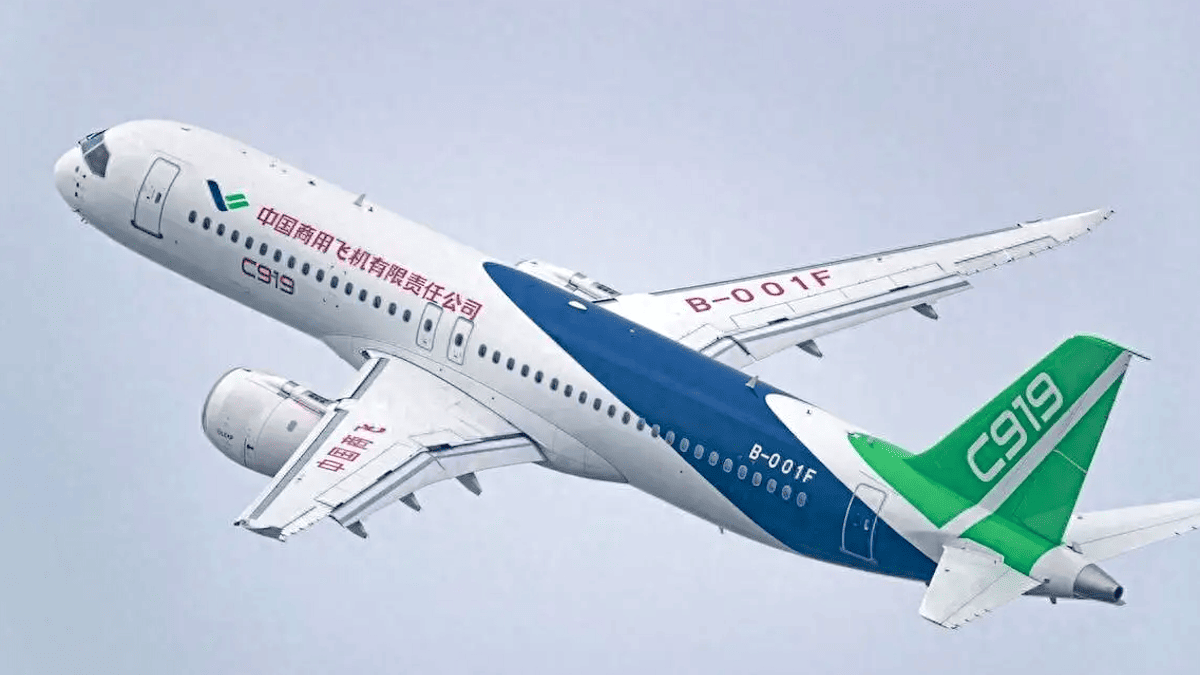
Washington is tightening its grip on aircraft parts exports to China's state-owned planemaker Comac, using the leverage to press Beijing on rare earth supplies. The US Commerce Department has capped licenses for parts destined for Comac, maker of the C919 narrow-body jet, and slowed approvals in recent weeks, according to Reuters. Officials are also considering a rule that would ease restrictions on landing gear and other components, with a draft including a licensing requirement for aviation hydraulic fluid.
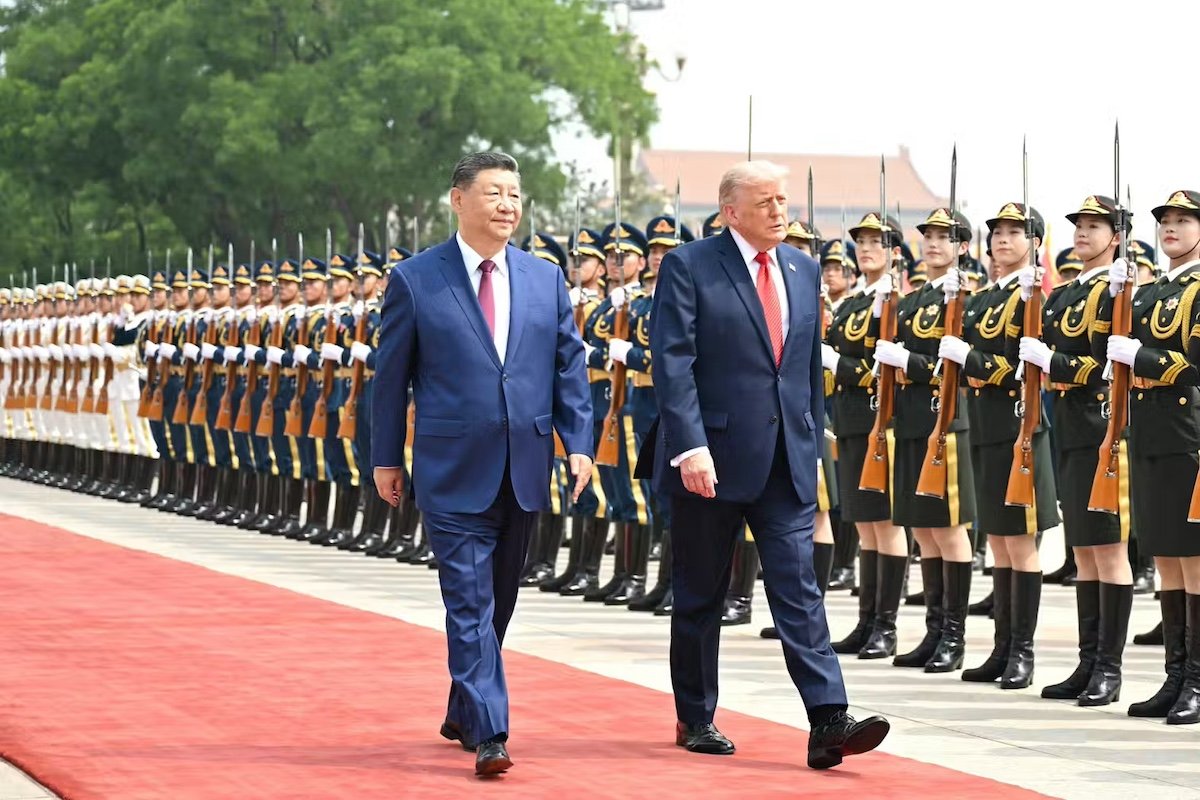
The move is part of a broader strategy to use China's reliance on US aviation suppliers as a bargaining chip in trade talks, as Washington seeks to loosen Beijing's control over rare earth minerals. The Trump administration has been frustrated that China has not restored the flow of critical minerals promised under last year's truce. US Treasury Secretary Scott Bessent pressed Chinese Vice Premier He Lifeng on the issue in New York on September 20, days before the Trump-Xi summit in Washington.
Chinese pundits weigh the risks
Chinese commentators are divided on the impact. Some argue that restrictions on Boeing parts would hurt Boeing more than China, given the country's projected demand for 8,000 to 9,000 new airliners over the next two decades. A columnist using the pen name “Global War Dispatch” wrote that Boeing's lobbyists would likely push back against any proposal that harms its core interests.
But the real concern is a potential ban on the C919's LEAP-1C engines, made by CFM International, a joint venture of GE Aerospace and France's Safran. The C919, which competes with the Boeing 737 and Airbus A320, relies on these engines as its sole Western powerplant. A cutoff could disrupt Comac's mass production plans for years.
“The CJ-1000A engine still cannot fully replace the LEAP-1C, and there is still a gap before a domestic engine can take over,” said a Shaanxi-based columnist using the pen name “Evening Breeze.” “In the short term, mass production of the C919 will inevitably hit a bottleneck.”
The CJ-1000A, China's homegrown engine, is unlikely to be ready before around 2027. A recent photo of a Y-20 military transport with a CJ-1000A mounted under its wing, released by Wang Yanan, editor-in-chief of Aerospace Knowledge magazine, suggested Beijing wants to show progress. The release, which required official approval, was seen as a signal to Washington.
Rare earth shortfall persists
Chinese customs data show rare earth magnet shipments to the US fell 21% month-on-month to 512 metric tons in August. Zero US-bound shipments of yttrium, used in heat-resistant coatings on jet engine turbine blades, were recorded in January, May, and June. Washington is pursuing a two-track strategy: building supply chains outside China while using tariffs and licenses to push Beijing to ship more.
The US has barred defense contractors from using minerals sourced from adversary nations from January 2027, blocked exports of tungsten scrap and battery waste, and pledged over US$2 billion for domestic and allied mineral projects. The trade truce has been extended only two months, to January 10, 2027.
Comac's delivery targets have already suffered. The company cut its 2025 delivery goal to about 25 jets from an ambitious 75, according to Bloomberg, and ultimately delivered only 15, missing even the revised target by 40%. The engine suspension in May 2025 lasted just five weeks, but subsequent license reviews were done engine-by-engine, each taking two to three months.
Some Chinese pundits remain upbeat, arguing that the curbs will accelerate China's push for self-reliance. “The US chokehold on the C919's engines is also a process that will force Chinese manufacturing to become fully independent,” said “Evening Breeze.” “But the road is long, and China has to endure the pain of the next few years.”
The standoff echoes broader tensions in the region, where supply chains are increasingly weaponized. As China's quiet role in global conflicts tests US strategy, the aviation sector has become a key battleground. The outcome could reshape the competitive landscape, with implications for Taiwan's defense posture and China's economic ambitions.
For now, the immediate risk is to Comac's production schedule. But the longer-term risk is to US leverage itself: if China succeeds in developing its own engines, the next round of aviation competition will be even fiercer.