China helped spark the global AI investment boom, yet its stock market is missing out on the rally that has lifted Seoul, Taipei, and Tokyo to record highs. The Shanghai-Shenzhen CSI 300 Index has fallen nearly 6% in 2026, while Korea's Kospi and Taiwan's TAIEX have each climbed more than 65%.
The divergence reflects a mix of structural weaknesses, policy uncertainty, and an AI exposure that is skewed toward the wrong end of the value chain. While chipmakers in South Korea and Taiwan have ridden a wave of demand for semiconductors, mainland Chinese listed companies are dominated by internet, cloud, and consumer firms that have yet to see AI translate into profits.
Consumers hold back
At the heart of the problem is weak household demand. Consumer spending has disappointed for years, weighing on earnings at internet giants, automakers, and retailers. With the property sector—where roughly 70% of household assets are tied up—still in decline, there is little sign of a fundamental turnaround.
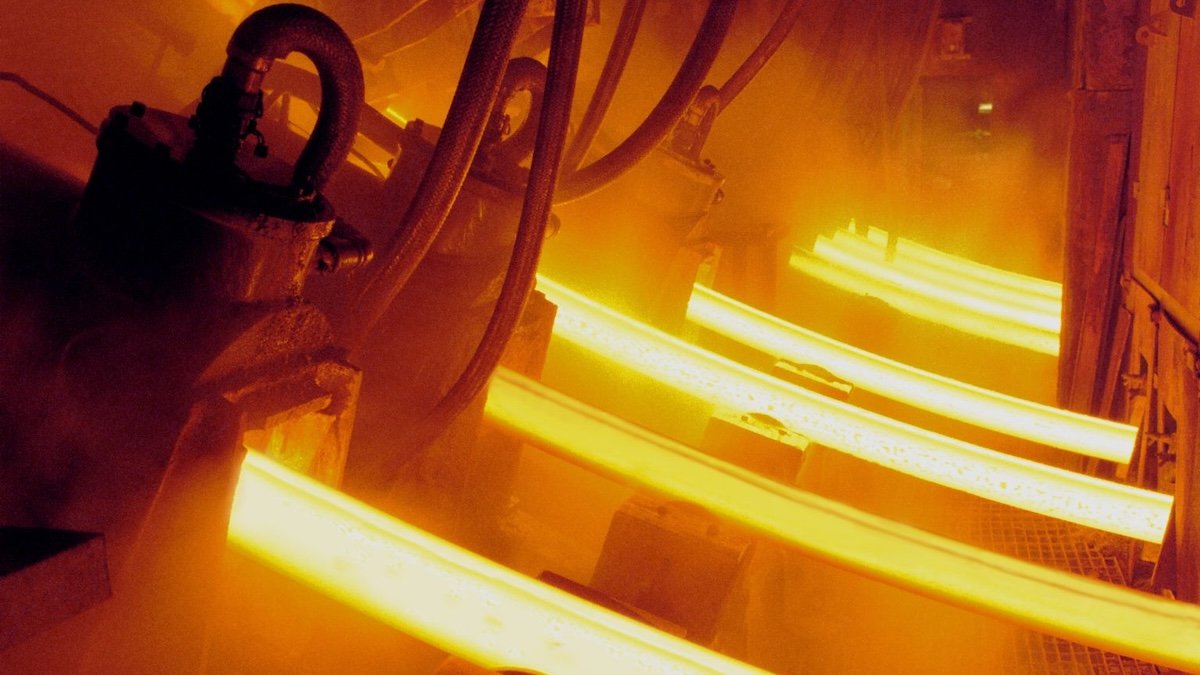
In the April-June quarter, onshore-listed companies posted their biggest profit gain in five years, nearly 26% year-on-year. But that strength is concentrated in exporters and high-tech manufacturers, not in the domestic-facing economy. The result is a K-shaped recovery: a booming export sector alongside a sluggish property and consumption market.
“The economy is very weak,” says Charles Wang, chairman of Shenzhen Dragon Pacific Capital Management. He doubts Beijing’s stimulus plans are “adequate” to revive property or consumption.
Policy support falls short
The People’s Bank of China has cut its pledged supplementary lending rate by 25 basis points to 1.5%, broadened the facility to cover infrastructure investment, and increased relending quotas for technology, private enterprises, farms, and small businesses. But analysts say these targeted measures are unlikely to shift the broader picture.
“It’s unlikely to materially lift broader credit demand or alter the property sector’s weak trajectory,” says Elaine Xu, a Moody’s Ratings analyst. She notes that the steps “should improve funding conditions for policy-directed lending,” but adds that “a jump in broader credit growth is unlikely, because targeted funding support does not by itself create stronger private borrowing demand.”
Duncan Wrigley, an economist at Pantheon Macroeconomics, echoes that view: “Steps to date won’t solve China’s structural imbalances, with sluggish domestic demand and high reliance on exports.”
Export reliance deepens
China’s trade surplus hit a record $1.2 trillion in 2025, despite US tariffs. That export strength has helped the yuan firm, but it also underscores the economy’s continued dependence on overseas shipments—a reliance Beijing has pledged to reduce since the Hu Jintao era.
“The yuan has totally disconnected from interest-rate differentials since the start of the year, thanks to the firm trade surplus, yuan internationalization, and capital inflows,” says Sophie Huynh, a fund manager at BNP Paribas Asset Management.
Yet the K-shaped split is widening. As exports power ahead, consumer spending and property continue to lag, deepening the gulf between external strength and domestic weakness.
Regulatory and geopolitical overhang
Investors also face persistent regulatory and geopolitical risks. The US-China trade and tech wars remain a drag, but the bigger issue may be the lack of transparency and policy unpredictability that has characterized Chinese markets since President Xi Jinping’s tech crackdown in late 2020.
Chinese shares have traded at a discount as investors factor in these headwinds. The 10-year government bond yield has tumbled to around 1.67%, suggesting markets doubt that stimulus will revive domestic demand or end deflationary pressures.
Analysts argue that what China needs is a credible commitment to market-oriented reforms, as promised in 2013 when the Communist Party said market forces should play a “decisive” role. Over the past decade, Beijing has often over-promised and under-delivered on reform.
While China has opened its equity and bond markets to foreign investors, access to exchanges in Shanghai and Shenzhen often outpaces the domestic reforms needed to make Chinese companies globally competitive. The “new economy” grabs headlines, but the “old economy” remains a drag.
For now, the AI boom is passing China by. As AI investment drives up global borrowing costs, China’s market remains stuck in reverse, waiting for a catalyst that may not come until deeper structural changes take hold.