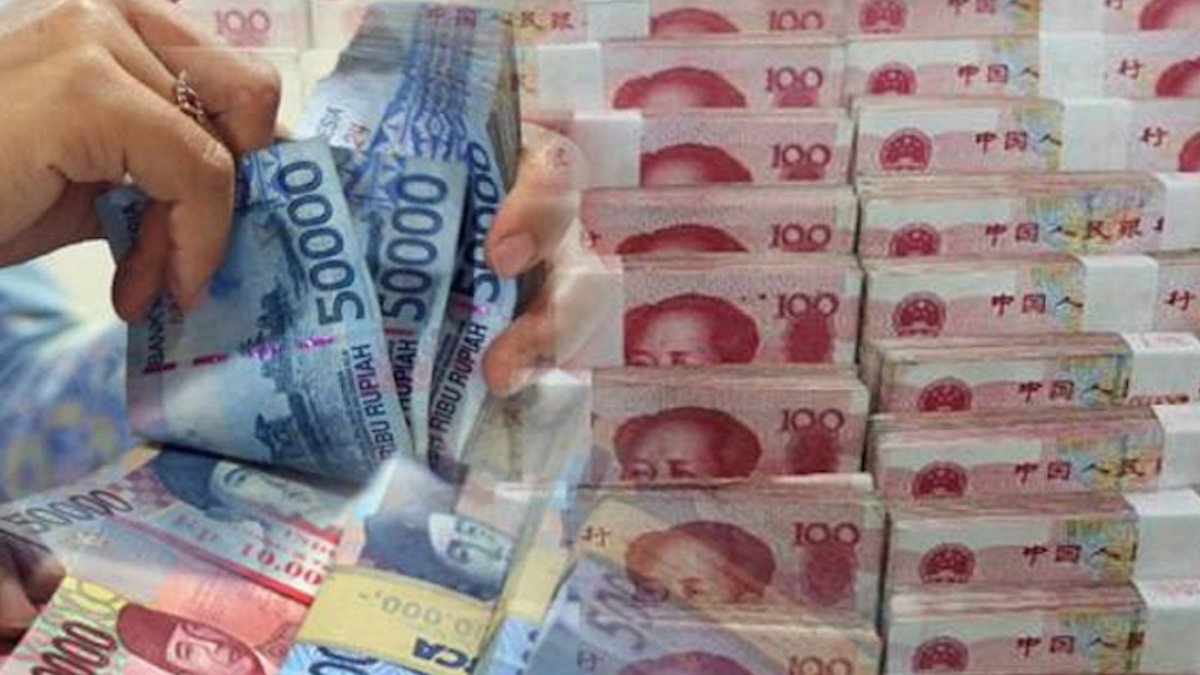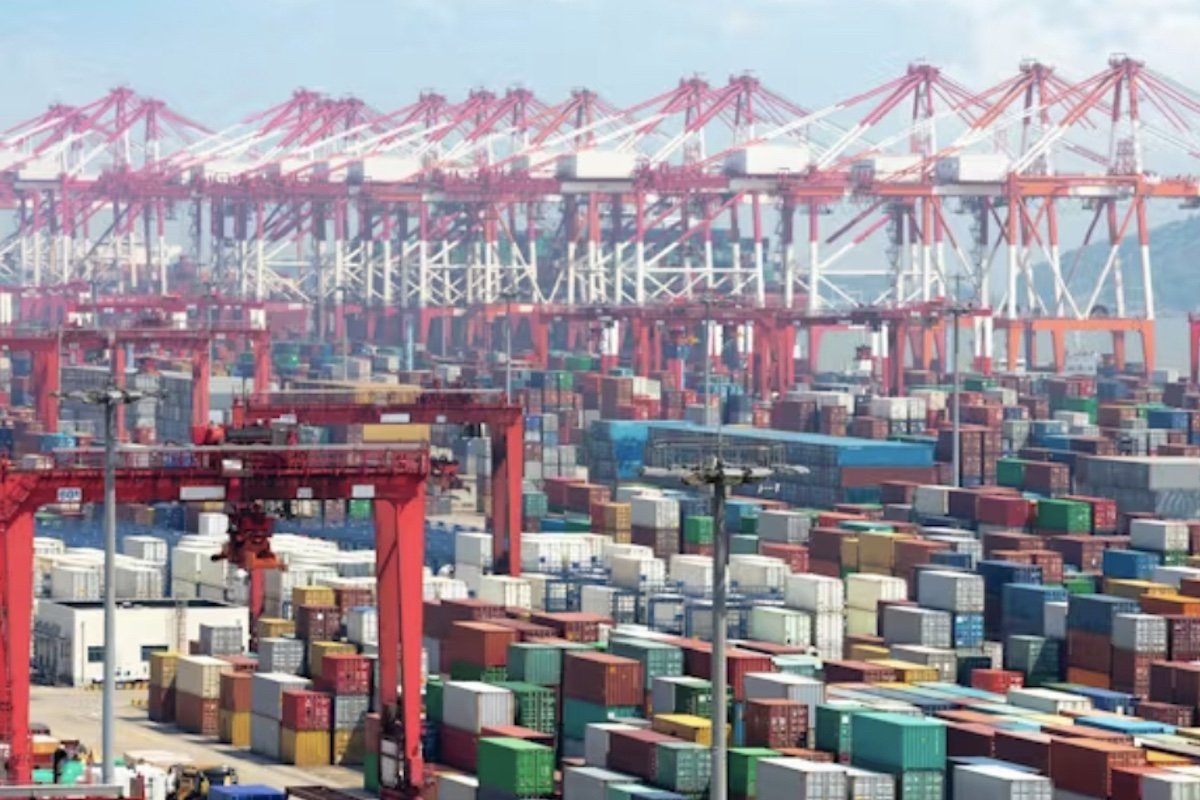
China's trade surplus reached an unprecedented US$1.2 trillion in 2025, according to official data released in January. December alone saw a surplus of $114 billion, driven by export growth of 6.6% and import growth of 5.7%. These figures directly challenge the narrative that US tariffs under President Donald Trump are effectively curbing Chinese exports.
The surplus—the gap between what China sells abroad and what it buys—has ballooned despite an average US tariff of 47% on Chinese goods, down from a peak of 145% after the April 2025 Liberation Day announcement. The conventional wisdom in Washington held that such tariffs would decouple the two economies and reduce American reliance on Chinese manufacturing. Instead, China's export engine is running hotter than ever.
How China Outmaneuvered the Tariffs
The answer lies in a massive geographic pivot. Direct Chinese exports to the US fell by 20% in 2025, and imports from the US dropped 14.6%. But Beijing compensated by deepening trade with the developing world. Exports to Africa surged 26%, shipments to ASEAN countries rose 13%, and trade with Latin America climbed 7%. Even exports to the European Union managed an 8% increase, despite growing friction over state-subsidized competition.
This rebalancing is not new. China has been diversifying its trade network for a decade through the Belt and Road Initiative, which invests in infrastructure along the historic Silk Road. But a deeper mechanism is at play: the great reallocation of supply chains. Since the first trade war began in 2018, US imports from Vietnam and Mexico have risen sharply, while those countries have increased their purchases of Chinese intermediate components. In 2025, this trend accelerated. Chinese firms now ship parts to factories in Southeast Asia and Mexico, where they are assembled and exported to the US at low or zero tariffs under bilateral trade agreements.
The result is that American consumers are still buying Chinese goods—just through middlemen who bypass the tariffs. As one trade analyst put it, the US is effectively paying a premium to avoid admitting it.
From Textiles to High-Tech
The nature of China's export boom has also shifted. In 2001, when China joined the World Trade Organization, the world worried about cheap textiles and toys. Today, the friction is over high-value industries. China's 2025 export surge was led by cars, mechanical and electrical products, and the so-called new three: electric vehicles, lithium batteries, and solar panels. China is no longer just the world's factory floor; it is becoming a hi-tech supplier and competitor to advanced economies.
This export reliance also reveals a domestic weakness. With China's housing market still subdued and domestic investment declining, firms are desperate for external demand to keep factories running. The global Purchasing Managers' Index showed five consecutive months of expansion in 2025, suggesting the world economy is picking up speed—good news for Chinese exporters.
Yet the long-term outlook is fraught. China now runs a trade surplus with more than 170 countries, creating a structural imbalance that may become politically unsustainable. The challenge for Beijing, Washington, and other capitals is to find an equilibrium before this winner-takes-all dynamic provokes even more drastic protectionist responses. As the US and China compete for influence in areas like fusion energy supply chains, the stakes are only rising.