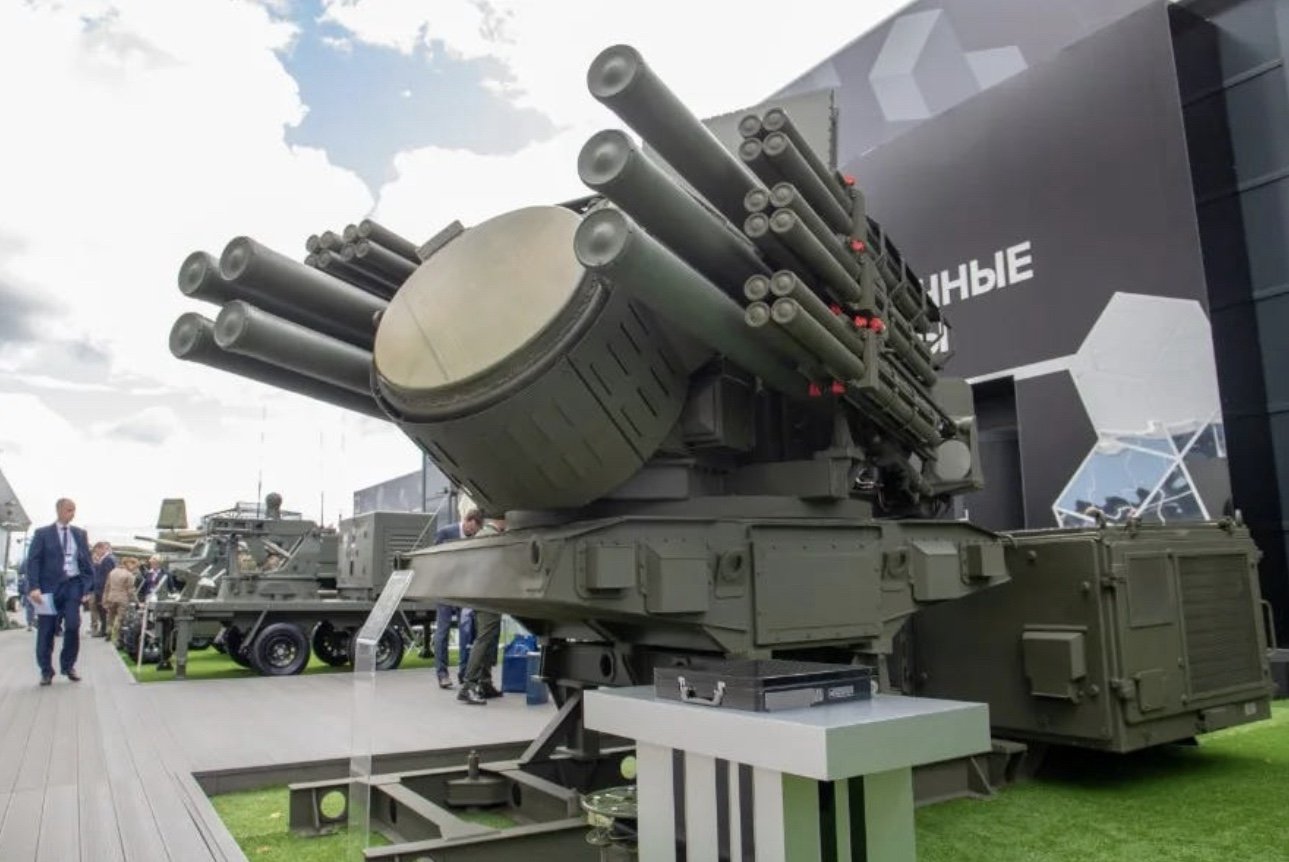
The United States faces a growing challenge from drone and cruise missile swarms, as seen in Ukraine and the Middle East. To counter this, the Pentagon should creatively combine two capabilities it already possesses: low-cost interceptors and directed-energy weapons. The Russians are already integrating such systems, and the US must follow suit quickly.
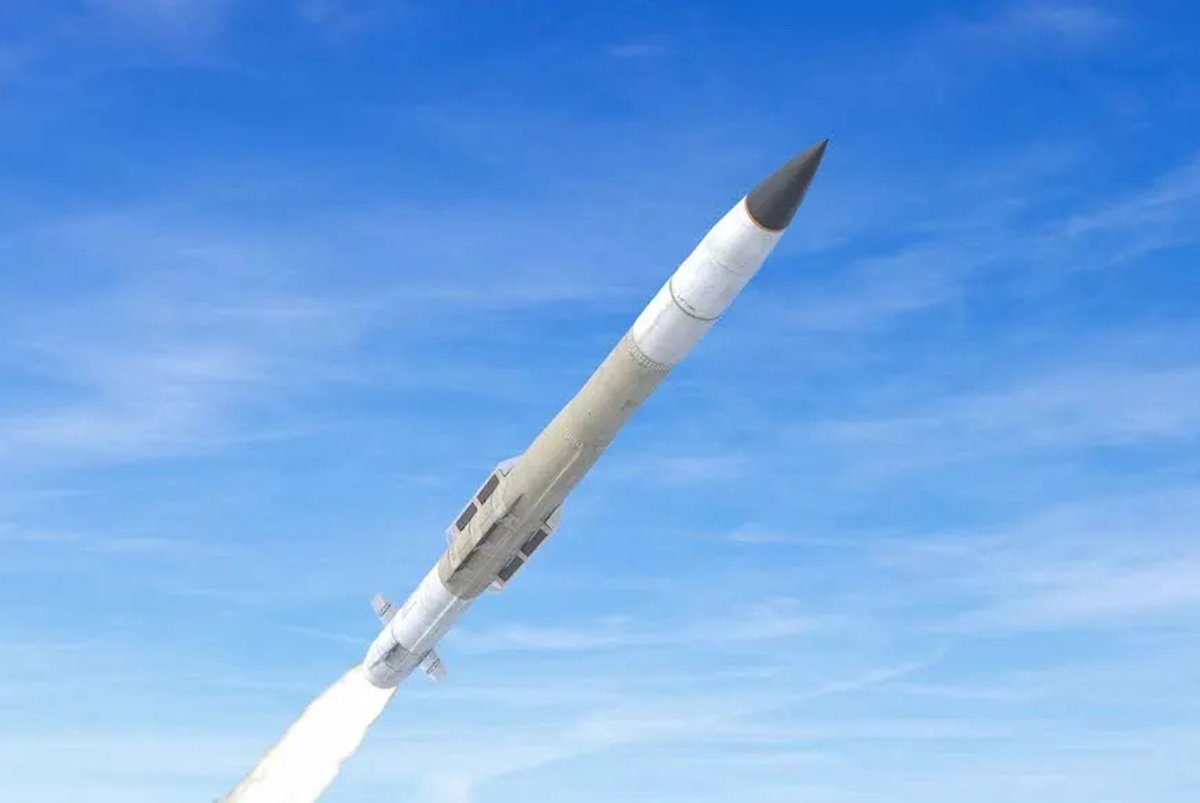
Modern combat has shown that drones are deployed in "swarm numbers," often mixed with cruise and ballistic missiles, and accompanied by decoys to confuse air defenses. Attacks in Ukraine and the Middle East have exhausted expensive interceptor stocks, with the US and Europe spending between $25 and $40 billion on air defenses in Ukraine alone. The cost of a single PAC-3 Patriot interceptor is $3.8 to $4.2 million, and it takes 24 to 30 months to manufacture one. This is unsustainable.
Recent Iranian and Houthi attacks on Saudi Arabia, the UAE, Kuwait, and Jordan have exposed the limitations of current air defense systems, despite massive investments. Saudi Arabia has spent $40 to $50 billion on air defense over the past decade, yet these systems have not fully protected its territory.
Laser systems are emerging but have limits
Low-cost solutions, such as lasers, are being deployed. The Pentagon has selected five US military bases to integrate directed-energy systems for counter-drone and base protection. The US Army has fielded prototype Stryker vehicles with 50-kilowatt lasers to CENTCOM for real-world evaluation. However, lasers require sustained targeting and have a short range of one to two miles, making them insufficient for perimeter defense alone.
Israel offers a more integrated approach. Its Iron Dome system, with the Tamir interceptor missile, is cost-effective at around $50,000 per missile and can engage targets at a slant range of up to 43 miles. The Tamir is manufactured in a joint venture between Rafael and Raytheon in Arkansas. Israel also uses the Iron Beam laser, but it works synergistically with Iron Dome, using AI to decide whether to fire a missile or use the laser.
The US Marines have adopted a version of the Tamir called SkyHunter for their Medium Range Intercept Capability (MRIC), which is already deploying to the Indo-Pacific. However, the Air Force, Army, and Navy have not yet embraced this system. In Israel, the C-Dome variant is used on Sa'ar 6-class corvettes to protect offshore installations.
Other countries are also acquiring Iron Dome or its radar. The UAE has purchased the system, and Bahrain may have acquired a unit. Saudi Arabia has expressed interest, but Israel is unlikely to agree unless Riyadh joins the Abraham Accords. Romania and the Czech Republic have reportedly acquired Iron Dome, and the EL/M-2084 radar is used by the UK, Singapore, Azerbaijan, and Slovakia.
Another emerging solution is the conversion of Hydra rockets with the APKWS guidance kit, turning them into cheap interceptors. This has proven effective in the Persian Gulf when mounted on A-10 aircraft.
The US must move beyond relying solely on expensive interceptors. By combining low-cost missiles like SkyHunter with directed-energy systems, and integrating them with AI-driven command and control, the US can build a more resilient defense against drone swarms. This approach is not only cost-effective but also essential for protecting bases and allies in the Indo-Pacific, where threats are proliferating.