European policymakers are grappling with a complex array of crises, from a resurgent Russia to political uncertainty in the United States. Now, a new economic challenge is intensifying the pressure: a massive influx of Chinese manufactured goods, often sold at heavily discounted prices. This surge, termed the 'Second China Shock,' is testing Europe's economic resilience and strategic calculus.
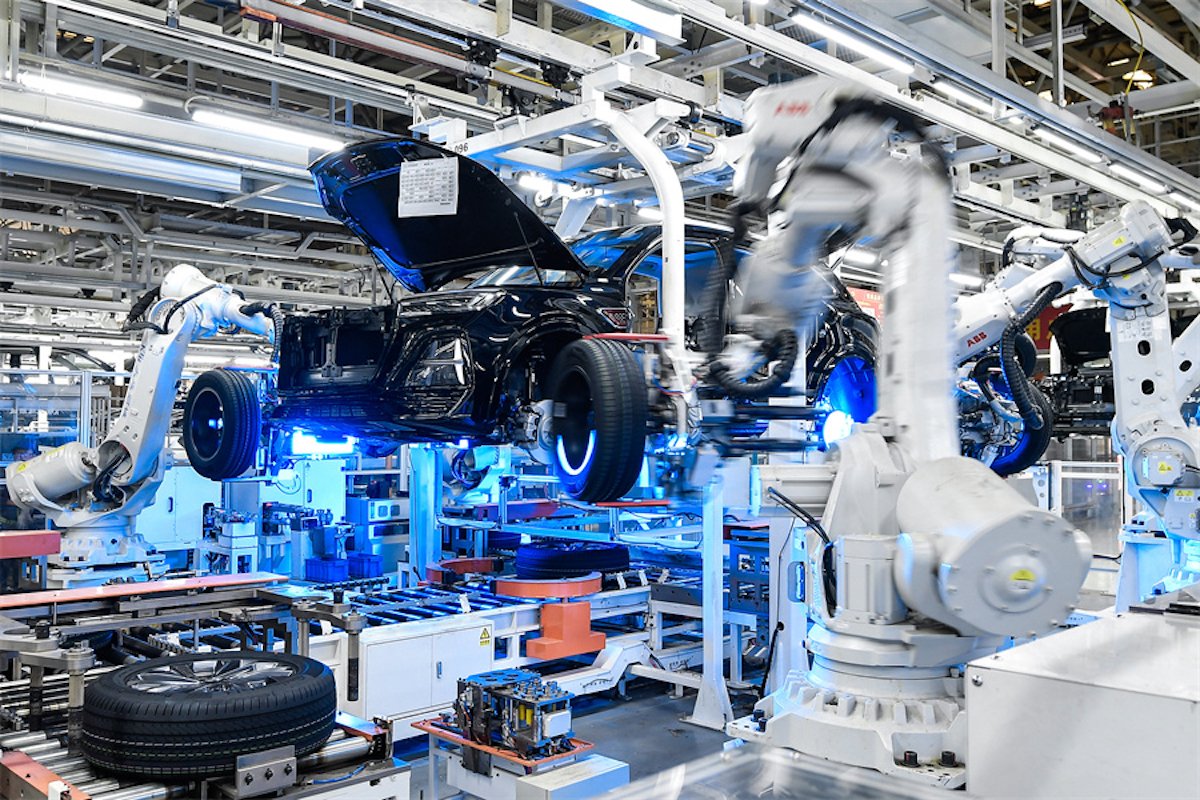
The phenomenon is rooted in China's domestic economic strategy. Facing a protracted property sector downturn and weak consumer demand, President Xi Jinping's administration has doubled down on state-led industrial policy. This has spurred massive overcapacity in advanced manufacturing sectors like electric vehicles, ships, and machinery. With domestic buyers unable to absorb the output, Chinese firms are turning to overseas markets, with Europe as a primary destination.
Economic Drivers and a Widening Deficit
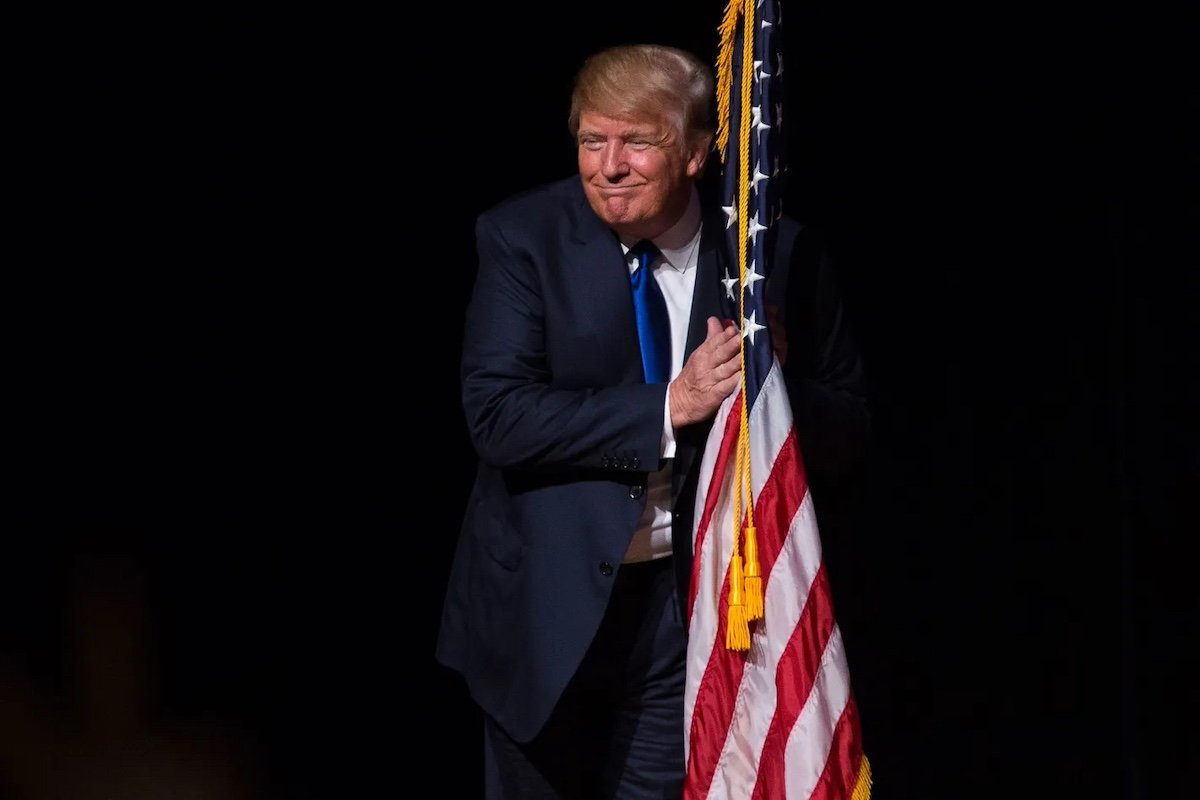
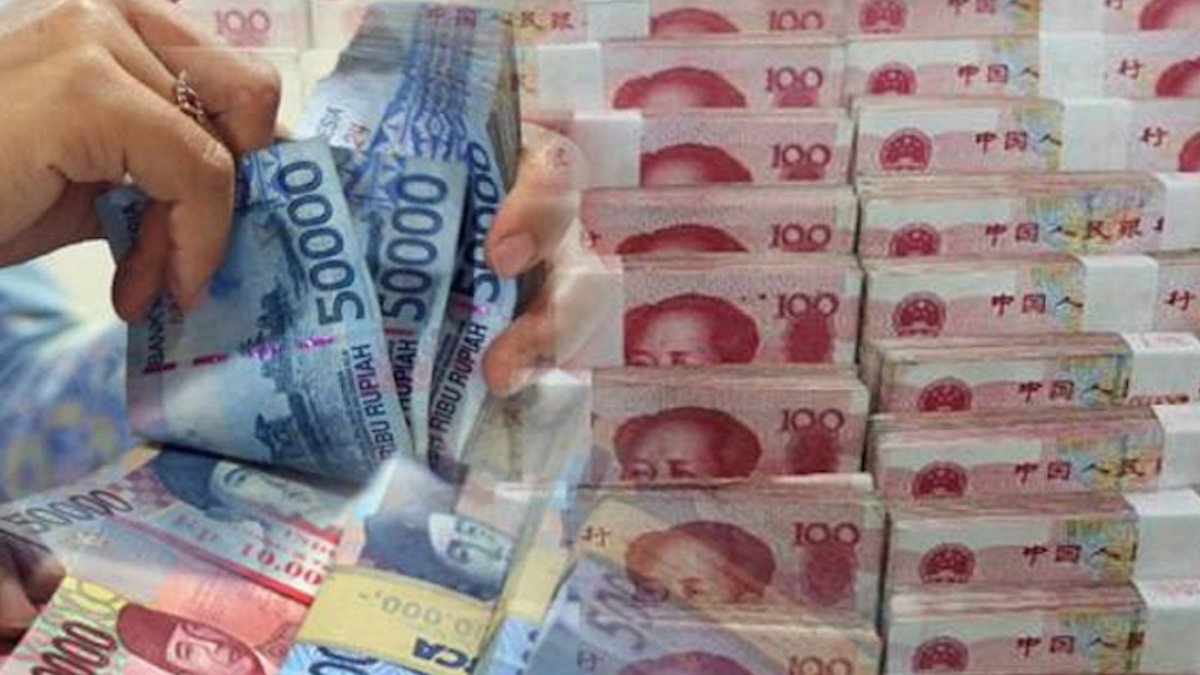
Two key factors are accelerating this export wave. First, the Chinese yuan has depreciated significantly, partly due to economic weakness and partly by government design. This makes Chinese goods extraordinarily cheap on global markets. Second, the threat of renewed US tariffs under a potential Trump administration is pushing Chinese exporters to diversify away from the American market, redirecting goods toward Europe, Southeast Asia, and Latin America.
The result is a rapidly expanding trade deficit for the European Union with China. While some argue that cheap imports benefit European consumers and advance green goals with affordable electric vehicles, a growing chorus warns of deeper, structural dangers. The situation echoes broader debates about state-led growth models and their disruptive impact on global trade norms.
The Strategic Imperative Beyond Cheap Goods
Advocates for a laissez-faire approach, including some prominent publications, suggest Europe should accept a degree of deindustrialization, focusing on its dominant services sector. However, this view is increasingly seen as myopic given Europe's security environment.
With Russia engaged in a protracted war in Ukraine and demonstrating a long-term commitment to military manufacturing—a effort now supported by Chinese components and dual-use goods—European strategic autonomy is under threat. A high-tech war requires a robust industrial base capable of producing drones, vehicles, electronics, and munitions at scale. Relinquishing core manufacturing sectors to imports, however cheap, could cripple Europe's ability to mobilize in a crisis. This directly impacts Europe's strategic autonomy ambitions, which face practical, not just political, hurdles.
The military dimension is clear. Modern conflicts consume matériel at astonishing rates. A continent that has outsourced the production of critical technologies may find itself vulnerable. This is not merely about national defense contractors; it is about the entire ecosystem of civilian manufacturing that can be converted to security needs.
Furthermore, the ripple effects extend into the Indo-Pacific. As China redirects industrial overcapacity, it also reshapes global trade and pressures Asian economies like South Korea, Japan, and Vietnam, which compete in similar advanced manufacturing sectors. Europe's response will therefore signal its broader stance on economic security and fair competition, with implications for its partnerships across Asia.
The path forward is fraught. Protective tariffs risk retaliation and could slow Europe's green transition. Yet, inaction could permit the erosion of the continent's industrial core. The challenge for Brussels and national capitals is to craft a response that safeguards economic sovereignty and security preparedness without resorting to outright protectionism. As Europe contends with threats on its eastern flank, the economic challenge from the East presents a different, but equally consequential, test of its resilience and strategic vision.