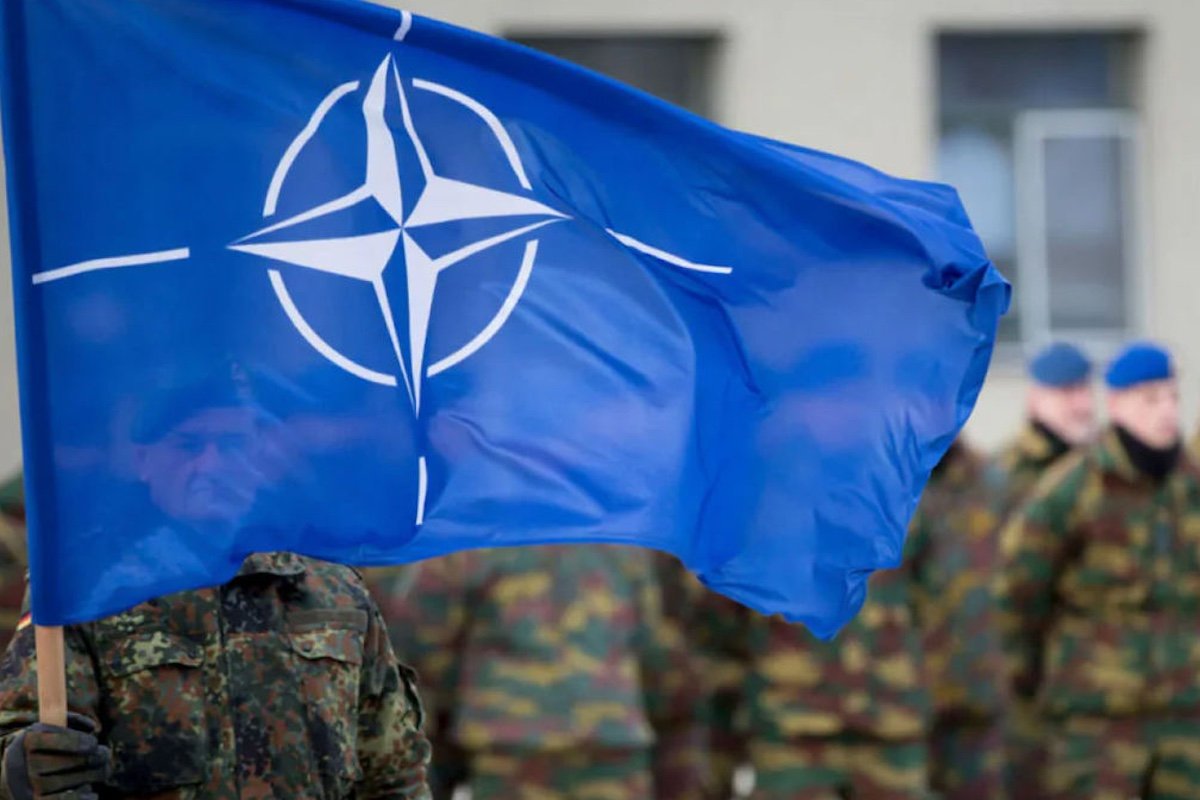
The debate over European strategic autonomy, a vision for a continent capable of securing itself without reliance on the United States, resurfaces with predictable regularity. Driven by political shifts in Washington and the ongoing war in Ukraine, the rhetoric has gained fresh urgency. Yet, the practical path to achieving this goal remains fraught with obstacles that decades of discussion have failed to overcome.
The Core Requirements of a "European NATO"
Creating a genuinely independent European defense architecture would necessitate a unified military command, a seamlessly integrated industrial base for arms production, a common strategic doctrine, and a shared intelligence framework. Most critically, it would demand the political will among European capitals to make binding, unconditional security guarantees to one another without the ultimate assurance of American power. These are precisely the elements that have eluded Europe throughout the post-war era, a period defined by an American security umbrella that allowed for divergent national priorities and underinvestment in defense.
The challenge extends beyond bureaucracy; it is structural. For instance, the longstanding American complaint about European allies failing to meet NATO's defense spending targets highlights a free-rider problem that does not disappear if the US withdraws. It merely shifts the question onto Europe itself: which nation would assume the role of security guarantor? Germany, despite its economic heft, maintains a deeply ingrained culture of military restraint. France possesses a nuclear arsenal and interventionist tradition but faces economic constraints and political fragmentation. Post-Brexit Britain remains a powerful military actor yet is institutionally distant from core EU frameworks.
The Unavoidable Nuclear Question
The most significant hurdle is nuclear deterrence. NATO's credibility hinges on the American nuclear guarantee. Within Europe, only France and the United Kingdom maintain independent nuclear capabilities. French President Emmanuel Macron's suggestion of extending France's nuclear deterrent to European partners has been met with legal questions and strategic skepticism, particularly from Eastern European members like Poland. Germany is constitutionally barred from pursuing its own nuclear weapons, and Britain's deterrent is deeply intertwined with American systems. A European security pact without a credible, unified nuclear backstop is a fundamentally different—and weaker—alliance, a reality well understood in Moscow and other capitals.
This strategic gap influences security perceptions across the Indo-Pacific. Asian nations observing European defense integration efforts note the difficulty of substituting a superpower's security commitment. For countries like Japan and South Korea, which rely on extended US deterrence, Europe's struggles underscore the complexity of building alternative security architectures in the face of threats from nuclear-armed neighbors like North Korea or a rising China. The European experience suggests that protracted security dilemmas are not confined to any single region.
Industrial Fragmentation and Political Will
Europe's defense industrial base remains stubbornly national. Projects like the Future Combat Air System or initiatives under the Permanent Structured Cooperation (PESCO) framework have progressed slowly, hampered by competing national interests, protected jobs, and disjointed procurement. The war in Ukraine laid this fragmentation bare, exposing a critical shortage of conventional ammunition and heavy weaponry that European industry could not rapidly supply. Filling this gap required drawing on American stockpiles.
Building a self-sufficient European defense industry capable of matching such capacity would require a decade of sustained investment and political consensus that currently seems elusive. European publics, concerned with cost-of-living pressures, have not demonstrated a lasting appetite for significantly higher defense budgets. This industrial and fiscal reality tempers ambitious political declarations. Meanwhile, threats from Russia against European defense suppliers highlight the immediate risks involved in supporting a conflict, further complicating the calculus for governments and companies.
None of this argues for European passivity. A more capable Europe that contributes robustly to transatlantic and global security is both necessary and desirable. The world has changed; a resurgent Russia and a less predictable United States demand greater European responsibility. The achievable path, however, likely lies in strengthening European capacity within the NATO framework, not in attempting to construct a full replacement for it overnight. The dream of a purely European NATO, while politically compelling, continues to outpace the complex, ground-level realities of geopolitics, industrial policy, and collective political will.