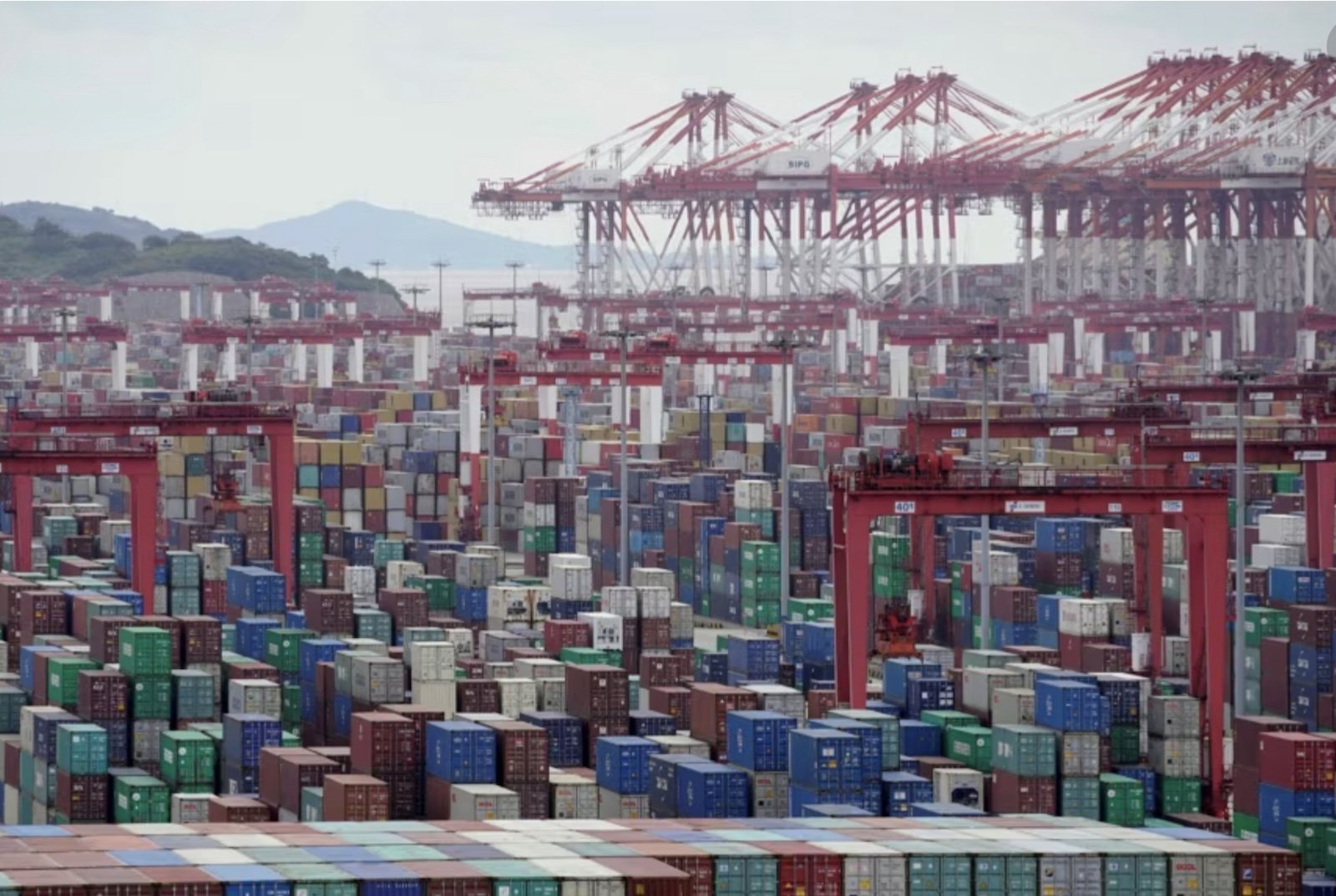
Asia's economic ascent was forged in an era of predictable globalization. Open markets, cheap energy, integrated supply chains, and export-led manufacturing transformed once-poor economies into the world's most dynamic growth centers. But the very interdependence that powered this rise is now becoming a source of systemic vulnerability.
The escalating instability around the Strait of Hormuz offers a stark reminder. Nearly one-fifth of the world's oil passes through this narrow waterway, much of it destined for Asian markets. Even the threat of disruption is enough to drive up energy prices, weaken currencies, fuel inflation, and strain public finances across the region. For Asia's highly trade-dependent economies, geopolitical shocks no longer remain external events; they now penetrate directly into domestic economic stability.
From Stability to Fragmentation
For decades, Asia's development model rested on a simple bargain: economies specialized in export-oriented production, integrated into global value chains, and relied on external markets, capital, technology, and energy to sustain growth. Under relatively stable globalization, this strategy delivered extraordinary results. China became the world's manufacturing center. South Korea evolved into a technological powerhouse. Southeast Asia emerged as a critical production hub. Hundreds of millions escaped poverty.
But a model built for an era of stability is struggling in an era of geopolitical rivalry. The same interconnectedness that once transmitted efficiency now transmits shocks. Energy disruptions rapidly feed inflation. Financial tightening in the United States triggers capital outflows and currency depreciation across emerging Asia. Trade restrictions and sanctions increasingly reshape investment decisions and industrial supply chains. Economic integration has become politicized.
This fragmentation is not merely an energy-security problem. It is evidence that globalization itself has entered a more volatile phase. As friendshoring offers developing Asia a lifeline, the region must adapt to a world where supply chains are no longer purely efficient but also resilient and politically aligned.
The Strait of Hormuz crisis underscores how geographic leverage can reshape global power dynamics. For Asian economies, the challenge is twofold: managing immediate energy price shocks while rethinking long-term dependencies. Japan, under Prime Minister Takaichi, faces constitutional debates that raise economic concerns amid regional instability. Meanwhile, Iran's potential return to Islamabad peace talks highlights the complex interplay of US threats and regional economic fallout.
Asia's future will depend on its ability to navigate this fragmented landscape. Countries like India and Indonesia are exploring new trade corridors and energy partnerships. The region must balance the benefits of integration with the need for strategic autonomy. As global economic institutions reassess state-led growth models, Asia's policymakers are increasingly looking inward to build more self-reliant economies.
The era of predictable globalization is over. Asia's economic future will be defined by how it adapts to fragmentation, not by how it resists it.