The International Energy Agency's latest report paints a grim picture for global oil markets through the third quarter of this year, with a potential crisis point looming if the Strait of Hormuz remains closed. The agency, which made its May report freely available, projects a modest recovery only in the fourth quarter, contingent on an early resolution of the US-Iran conflict and the reopening of the strategic waterway.
As of now, diplomatic progress appears stalled. Iranian Foreign Minister Abbas Araghchi stated on Friday that talks with the United States have yielded no breakthroughs, despite ongoing contacts. Meanwhile, military skirmishes continue: Iran has launched Shahed drone attacks on Kuwait, killing one person and injuring dozens, while also targeting the US Fifth Fleet headquarters in Bahrain. US Central Command reported intercepting missiles aimed at the Bahrain base, while Iran framed these as retaliation for US strikes on Qeshm Island, a site housing Iranian missile and radar installations.
Demand Destruction and Economic Pain
The IEA data shows that global petroleum demand in the second quarter (April-June) will fall by 2.45 million barrels per day—a phenomenon economists call demand destruction. Consumers and businesses are cutting back as prices surge. In the United States, gasoline prices have jumped 35-50%. In Europe, diesel—the lifeblood of trucking—has risen from $6.78 per gallon in February to $8.02 per gallon (€1.82 per liter). Trucking firms are consolidating routes, airlines have canceled tens of thousands of flights, and retailers are seeing reduced demand for non-essential goods as higher transport costs push up prices.
The impact is disproportionately severe in developing economies. Wealthier nations see consumers cutting back; poorer countries are simply going without, as noted in our earlier analysis of the human security crisis across Asia triggered by these disruptions.
Reserves at Critical Lows
The IEA had originally projected global oil production of 106.1 million barrels per day in 2026, but has now revised that figure down to 102.2 million barrels per day—a reduction of 3.9 million barrels per day. This revision assumes that "flows through the Strait gradually resume from June," an assumption that analyst Qasim al-Ali calls highly uncertain. Without a resumption, the shortfall will be even larger.
The agency notes that cumulative supply losses from Gulf producers already exceed 1 billion barrels, with more than 14 million barrels per day of oil now shut in—an unprecedented supply shock. So far, the impact has been cushioned by a pre-crisis glut and aggressive drawdowns of strategic petroleum reserves (SPRs) by the US, Europe, and China. However, these reserves are finite. China has enough for six months; the US SPR fell by 10.6 million barrels last week alone, reaching its lowest level since 2004. The inventory at Cushing, Oklahoma, has dropped from 33 million to 24.5 million barrels, and analysts warn it cannot fall below 20 million barrels without disrupting pipeline and refinery operations.
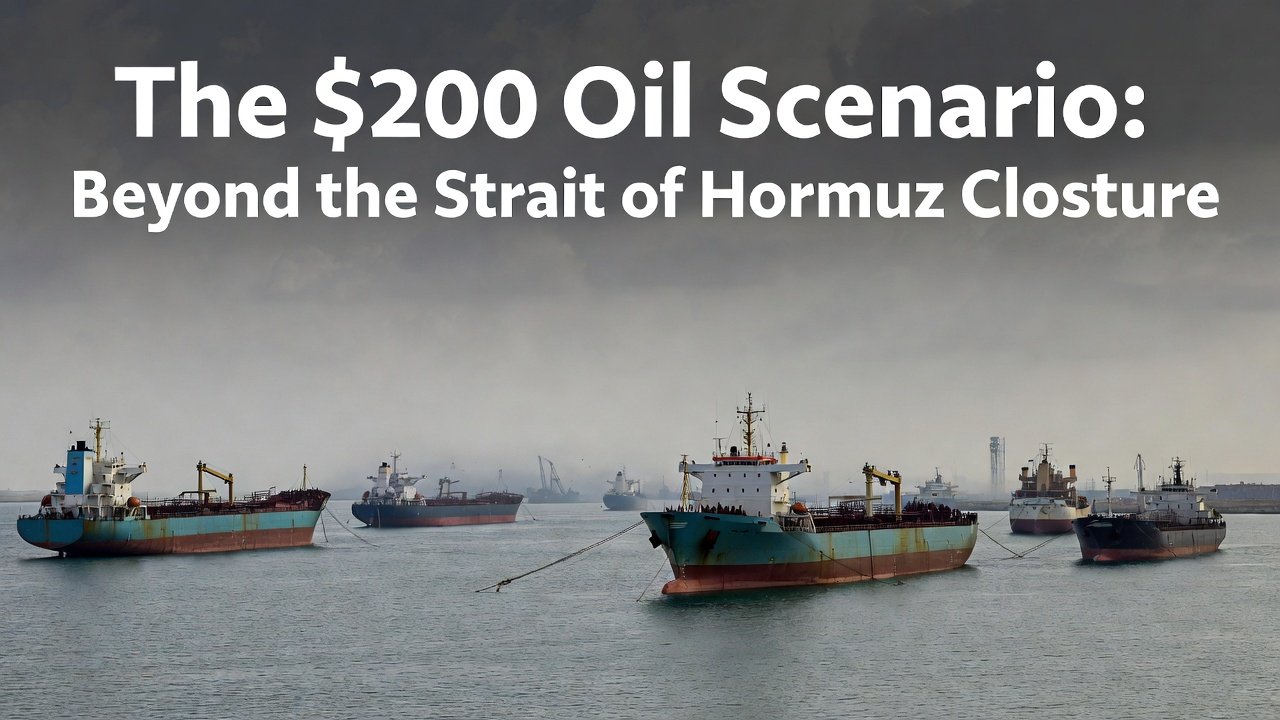
If the crisis persists through September, global reserves could hit what analysts call an "operational floor." Beyond that point, demand destruction and reserve releases can no longer compensate for the shortfall. The result would be a sudden spike in oil prices to $200 per barrel—an energy crisis that would severely damage the global economy, including major Asian economies like China, India, Japan, and South Korea.
Prime Minister Benjamin Netanyahu has signaled potential further strikes against Iran, raising the risk of an even larger crisis next year, when SPR buffers will be even thinner. The IEA's warning underscores the urgency of a diplomatic resolution. Without it, the world faces not just high prices but a structural supply collapse.