PARIS — The International Energy Agency's executive director, Faith Birol, warned on Monday that the world's oil inventories are running critically low, with only weeks of supply left, as the ongoing crisis in the Strait of Hormuz shows no signs of resolution. Speaking on the sidelines of a G7 meeting in France, Birol highlighted a growing disconnect between physical oil markets and financial futures, which have yet to reflect the impending shortage.
“Oil inventories are declining rapidly,” Birol told reporters. “There is a perception gap in the markets between the physical markets and the financial markets.” He cautioned that the supply crunch, exacerbated by the war between the United States and Iran, could soon drive energy prices sharply higher.
Global Economic Fallout Looms
The IEA chief also warned that the conflict has disrupted fertilizer supplies, which could lead to a surge in food prices and further stoke inflation. “This might give a big push to inflation numbers,” Birol said, underscoring the broader economic risks.
The Financial Times reported on Sunday that energy markets are approaching a “tipping point,” with the potential for another price surge that could tip the global economy into recession. Paul Diggle, chief economist at Aberdeen, told the FT that he has modeled the impact of oil reaching $180 per barrel, which he said would trigger a global inflation crisis. “We are taking that outcome very seriously,” Diggle said. “We are living on borrowed time.”
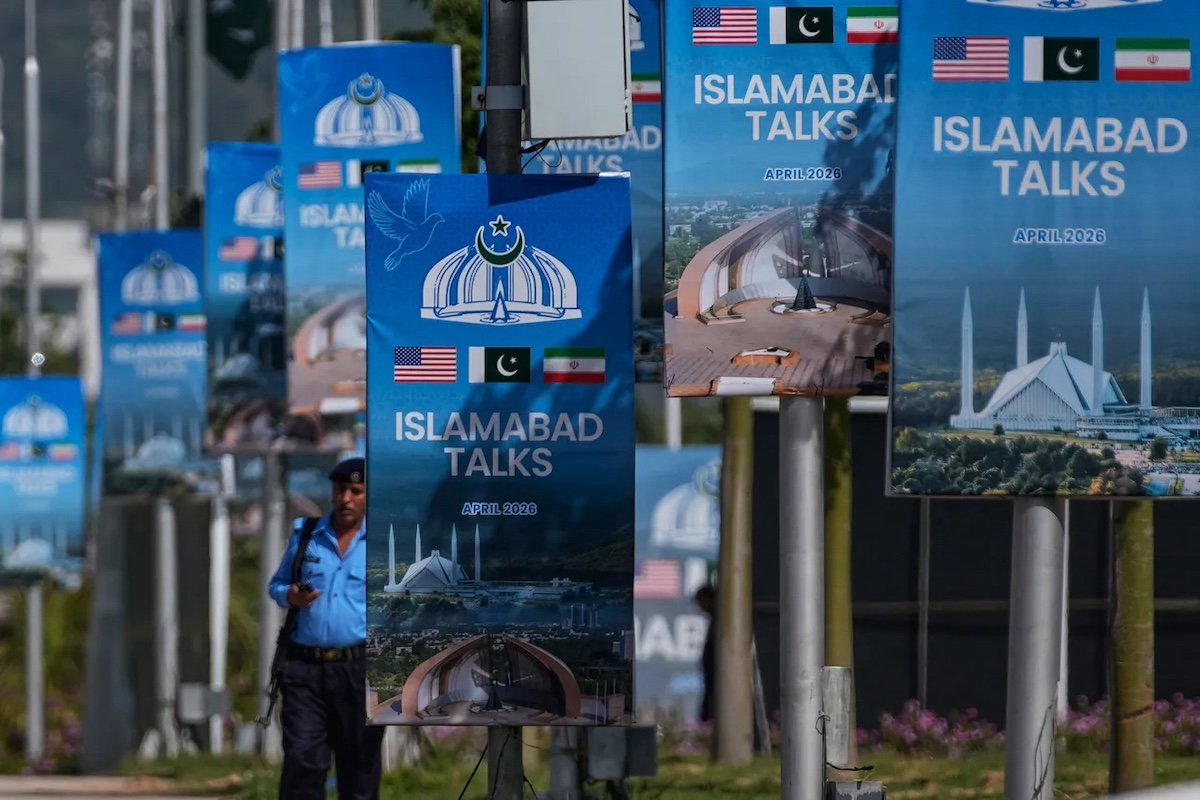
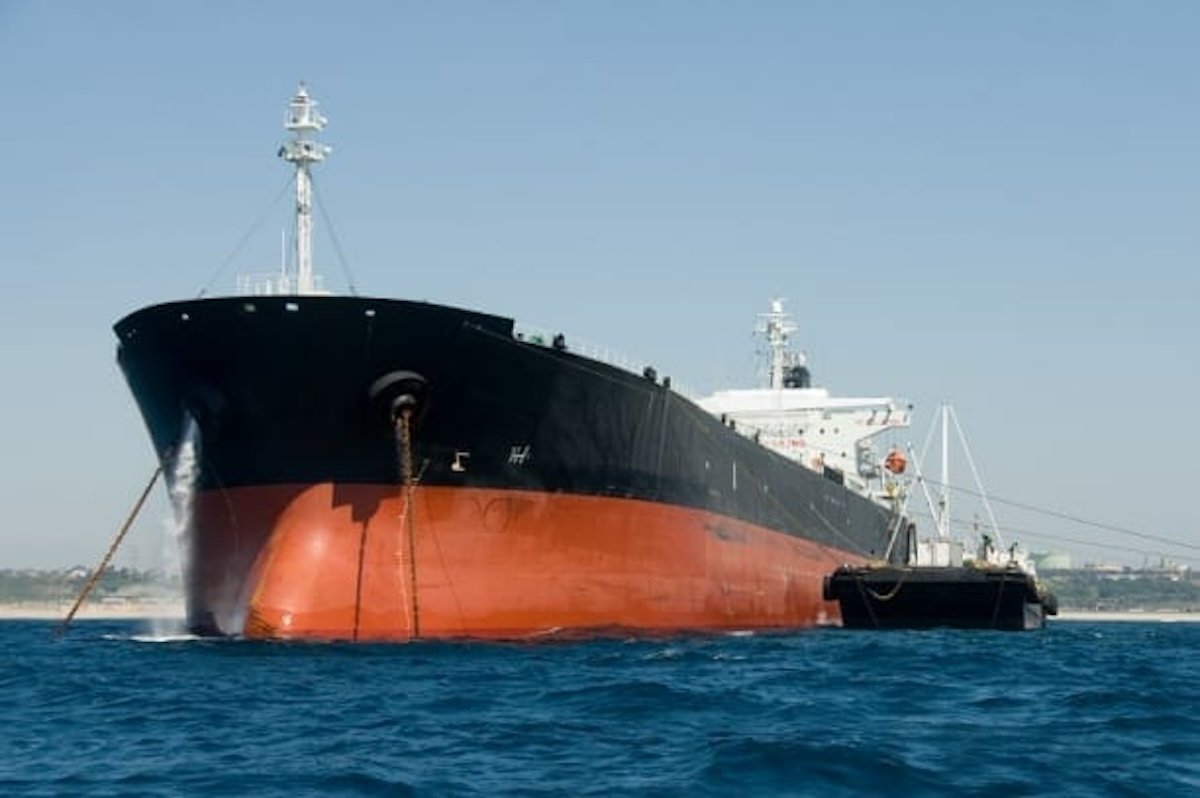
For Asian economies heavily dependent on energy imports, the crisis is particularly acute. The Strait of Hormuz remains effectively closed, disrupting shipments to major consumers such as China, India, Japan, and South Korea. A recent ceasefire agreement between Washington and Tehran briefly lowered oil prices, but the waterway has stayed shut, and President Donald Trump is reportedly preparing to resume attacks on Iran if no deal to reopen the strait is reached.
Trump's latest threats, posted on Truth Social on Sunday, warned Iran to “get moving, FAST, or there won’t be anything left of them.” He rejected Iran's latest peace proposal, which included concessions on uranium enrichment but sought to separate nuclear talks from broader negotiations. Iran's Mehr news agency reported that Trump offered “no tangible concessions” in his response, describing the U.S. stance as demanding outcomes it failed to achieve during the war.
Iranian officials have responded defiantly. Abolfazl Shakarchi, a spokesperson for Iran's armed forces, told Mehr that “repeating any folly to compensate for America’s disgrace in the Third Imposed War against Iran will result in nothing but receiving more crushing and severe blows.” Al Jazeera correspondent Almigdad Alruhaid noted that the “kind of language” from Trump “is not acceptable here in Tehran. They are projecting defiance rather than [giving] an immediate response to this kind of rhetoric.”
U.S. Senator Lindsey Graham (R-SC) has urged Trump to “hurt them more” by bombing Iran's energy infrastructure, a move that analysts warn could backfire. Trita Parsi, executive vice president at the Quincy Institute for Responsible Statecraft, noted that Trump refrained from such strikes during the war because he feared Tehran would retaliate by targeting energy infrastructure in Gulf Cooperation Council states, leading to an even worse oil crisis rooted in production problems.
Danny Citrinowicz, a senior researcher at the Institute for National Security Studies, argued that “the only realistic path to a diplomatic breakthrough would require Washington to engage more directly with the structure and substance of the Iranian proposal itself.” He added that Iran's priorities remain consistent: ending economic siege conditions, reopening maritime access, reducing Gulf tensions, and only then addressing the nuclear issue.
As the standoff continues, the window for diplomacy appears to be narrowing. The crisis has already reshaped energy trade dynamics, with Iran using petroyuan tariffs in the Strait of Hormuz to challenge dollar dominance, as explored in this analysis. Meanwhile, Asian nations are accelerating strategic pivots to alternative energy routes, a topic covered in this report. The broader implications for Asia's growth model are examined in this piece.