For years, analysts questioned whether the Association of Southeast Asian Nations (ASEAN) could maintain its diplomatic relevance amid the rise of newer blocs like the Quadrilateral Security Dialogue (Quad), AUKUS, and an expanded BRICS. But recent meetings in Manila have made clear that ASEAN is not only surviving but reclaiming its position as the Indo-Pacific's central diplomatic hub.
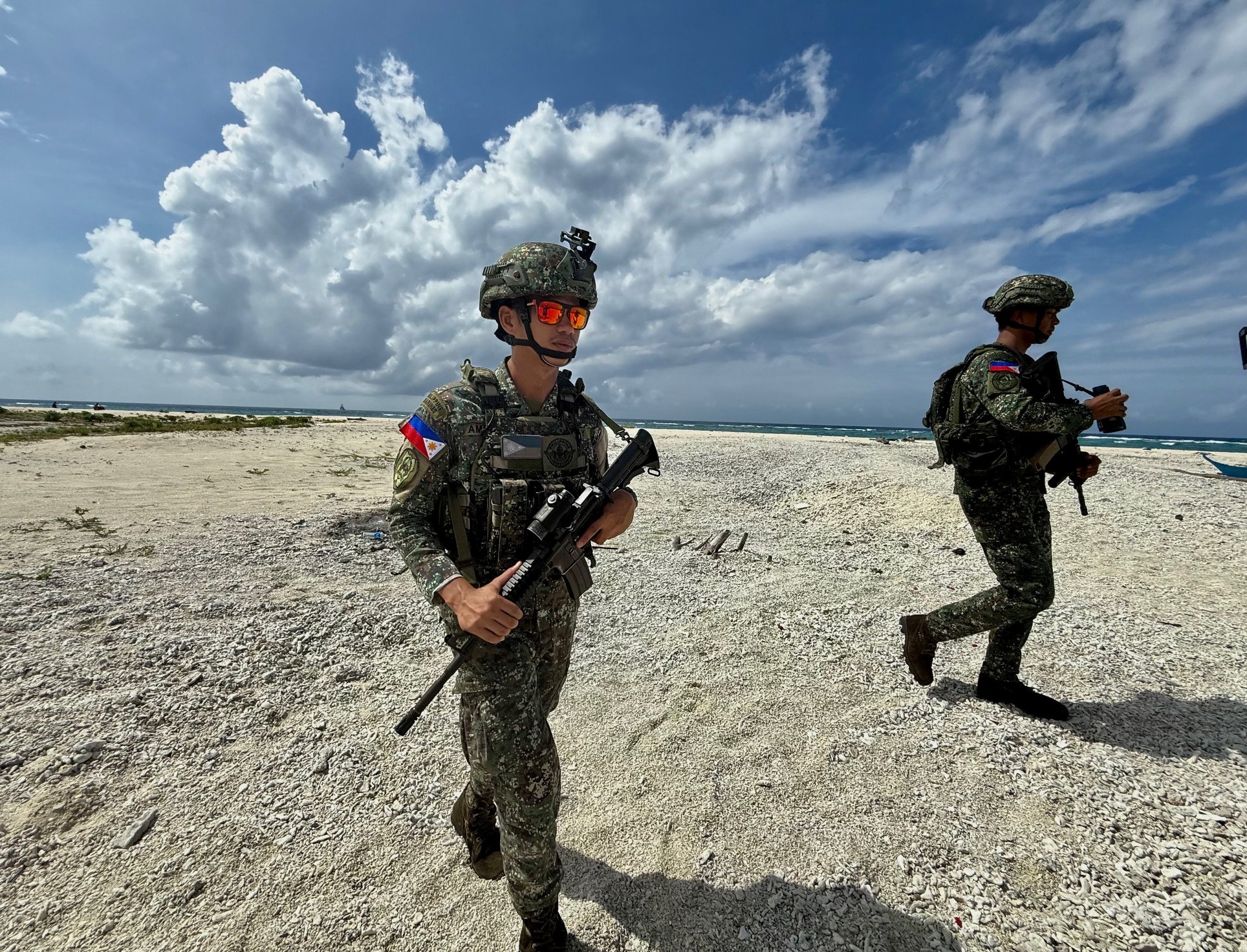
From July 12 to 14, Manila hosted a series of high-level gatherings under the ASEAN umbrella: the ASEAN Foreign Ministers' Meeting, the ASEAN Regional Forum, the East Asia Summit, ASEAN Plus Three, and the ASEAN Defense Ministers' Meeting-Plus. The events drew U.S. Secretary of State Marco Rubio, Chinese Foreign Minister Wang Yi, Russian Foreign Minister Sergei Lavrov, Indian External Affairs Minister S. Jaishankar, European Union High Representative Kaja Kallas, and counterparts from Japan, Australia, South Korea, Canada, and all 11 Southeast Asian nations.
The agenda spanned the South China Sea, the Taiwan Strait, Myanmar's ongoing crisis, and even the Strait of Hormuz—where disruptions from the US-Iran conflict threaten energy supplies for Asian economies. Economic security also took center stage, with discussions on resilient supply chains, semiconductor cooperation, cybersecurity, digital connectivity, and artificial intelligence governance. As ASEAN's AI infrastructure race takes shape, the bloc's agenda has expanded far beyond traditional territorial disputes.
Why ASEAN Endures
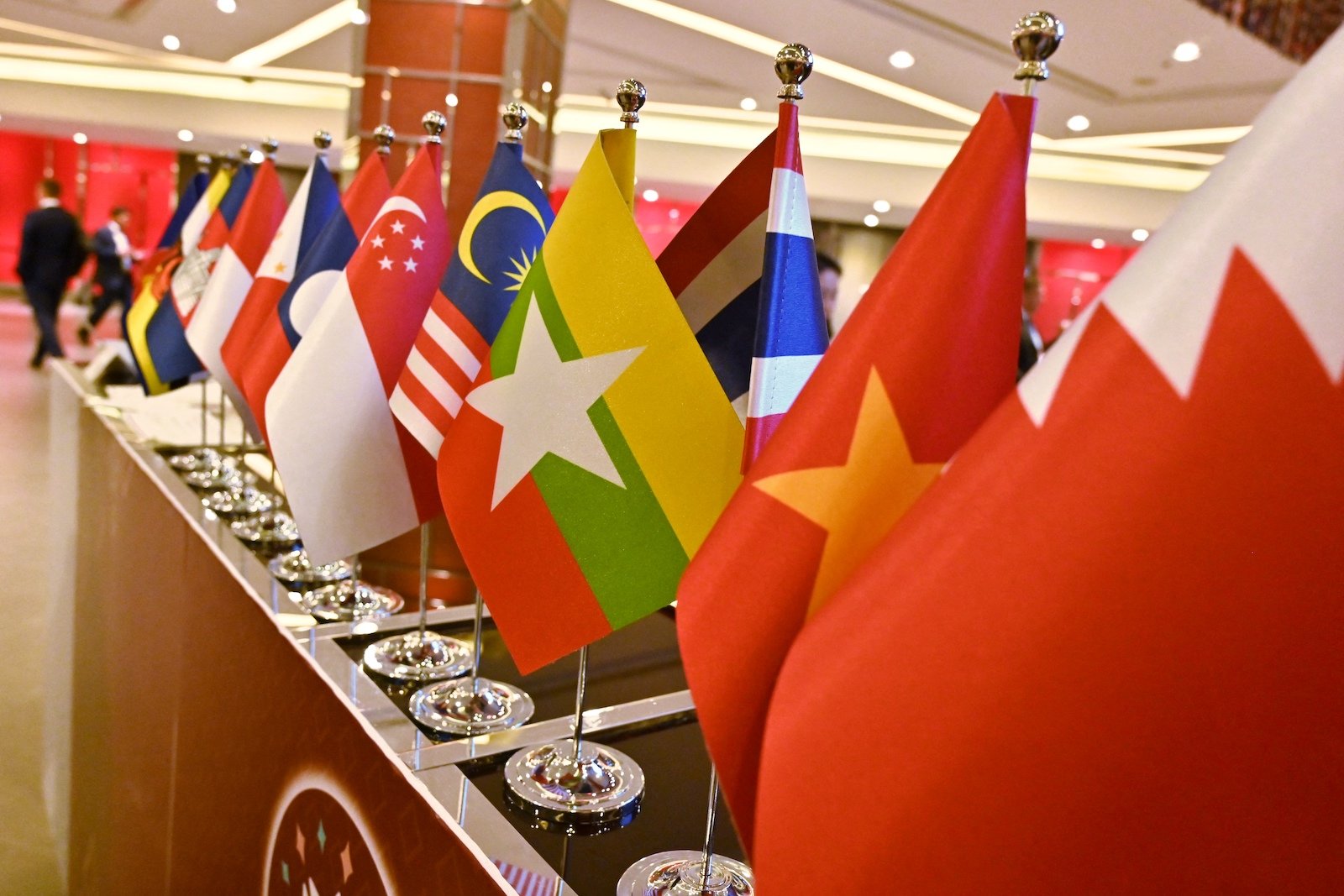
ASEAN's strength lies not in military might but in its unmatched ability to convene. With a population of 705.2 million and a combined economy of $4.51 trillion, the bloc sits at the strategic crossroads of the Pacific and Indian Oceans. No other institution routinely brings together the United States, China, Russia, India, Japan, Australia, South Korea, the European Union, and 11 Southeast Asian nations under one roof.
This institutional legitimacy, built over nearly six decades since ASEAN's founding in 1967, remains its greatest asset. Unlike the Quad, which imposes ideological alignment, or AUKUS, which is a security alliance, or BRICS, which is organized around revisionist ambitions, ASEAN offers inclusiveness. Democracies and one-party states, treaty allies and strategic rivals, established powers and smaller states all find space within ASEAN-led forums.
The Manila meetings also highlighted the bloc's role as a venue for bilateral recalibration. On the sidelines, Rubio and Wang met amid ongoing US-China strategic competition, reportedly using the occasion to advance preparations for a Trump-Xi summit. India's Jaishankar held separate meetings with Rubio, Wang, and Lavrov, underscoring New Delhi's consistent support for ASEAN centrality. For India, as Australia-India ties deepen on security while trade deals stall, ASEAN remains a key platform for multilateral engagement.
The widening geographical scope of ASEAN's agenda was another takeaway. The disruption of global shipping through the Strait of Hormuz, following the US-Iran war, reminded economies heavily dependent on Gulf energy imports that instability in West Asia is inseparable from Indo-Pacific security. As the Hormuz blockade threatens global food security, ASEAN's discussions stretched from the western Indian Ocean to the western Pacific.
Perhaps the most telling sign of ASEAN's renewed centrality came when Quad foreign ministers endorsed the ASEAN Outlook on the Indo-Pacific. This endorsement signals that even as newer blocs wobble, the region's most established diplomatic institution remains indispensable. When serious diplomacy matters, the region still returns to ASEAN.