On Monday, Yemen's Houthi rebels announced a maritime embargo against Saudi Arabia, escalating their campaign to disrupt Red Sea shipping. The move, declared by Houthi spokesperson Yahya Saree in a video statement, is framed as retaliation for a bombing at Sanaa International Airport last week, which the group attributes to Saudi forces.
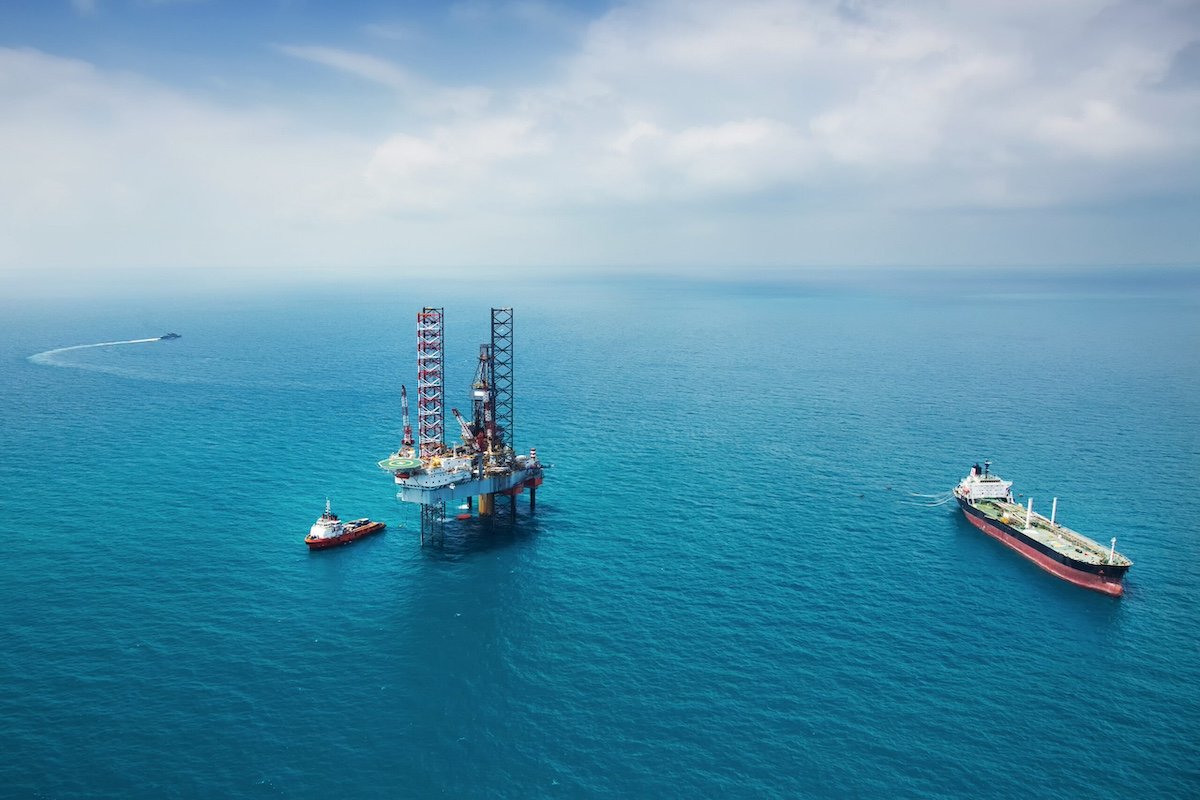
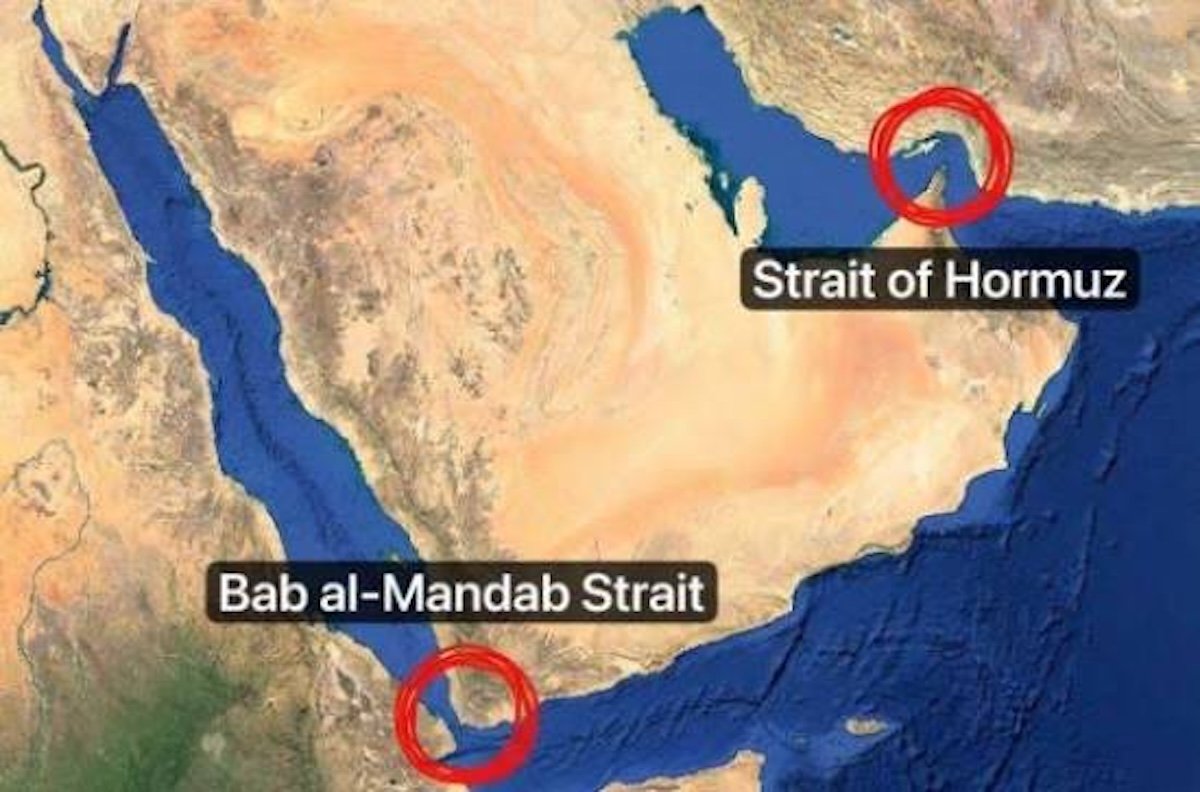
The announcement comes at a precarious moment for global energy markets. The Strait of Bab al-Mandeb, a narrow waterway off Yemen's coast, is a vital conduit for oil tankers heading from the Middle East to Europe and beyond. According to Bloomberg energy columnist Javier Blas, Saudi Arabia ships roughly 4.5 million barrels of oil per day through the Red Sea, with most of that volume transiting the Bab al-Mandeb.
Strategic Chokepoint Under Pressure
The Houthi embargo follows Iran's earlier decision to restrict shipping through the Strait of Hormuz, a move that has already tightened global oil supplies. With both straits now under threat, the world's dependence on alternative routes is shrinking. Robert Pape, a political scientist at the University of Chicago, warned that losing access to the Bab al-Mandeb could mean a "loss of another 4 to 5 million barrels a day." He added, "The Titanic is now hitting the iceberg, and there are not enough lifeboats for the world economy."
US crude inventories have already fallen to their lowest level since 1983, according to data from the US Energy Information Administration, which reported a decline of 1.7 million barrels in the week ending July 10. The Houthi embargo threatens to accelerate that trend.
The Houthis have previously targeted shipping in the Red Sea, including a tactical alliance with Al-Shabaab to disrupt maritime traffic. Their latest move underscores the group's growing capability to project power beyond Yemen's borders.
Multiple Fronts, Converging Crises
Nicholas Grossman, a professor of international relations at the University of Illinois, catalogued the overlapping disruptions: "Iran blocking Strait of Hormuz. US blocking Iranian shipping. Iran bombing energy facilities in Gulf Arab states. US bombing energy facilities in Iran. Ukraine bombing energy facilities in Russia. Houthis disrupting Red Sea shipping. Oil and gas reserves running dry. It's a lot, and adding up."
The Houthi announcement also highlights the broader regional realignment. Saudi Arabia has been hedging its security posture, as seen in its cold realism strategy, balancing between US commitments and local threats. The Houthi embargo may test Riyadh's ability to protect its own maritime interests without direct American intervention.
Juliette Kayyem, a senior lecturer at Harvard's Kennedy School and a former Obama administration official, argued that the crisis should force US policymakers to reconsider the limits of military power. "A bunch of military and conventional wisdom analysts assured the American public that our air dominance was unparalleled," she wrote. "The 'never right but always certain' crowd didn't realize the war was going to be fought on water."
The Houthi embargo is not yet fully enforced, but its announcement alone has rattled markets. For an international audience watching the Indo-Pacific, the Red Sea crisis is a reminder that maritime chokepoints—from the Strait of Malacca to the Lombok Strait—remain vulnerable to non-state actors and regional conflicts. As recent incidents in the Lombok Strait have shown, sovereignty and security at sea are increasingly contested.