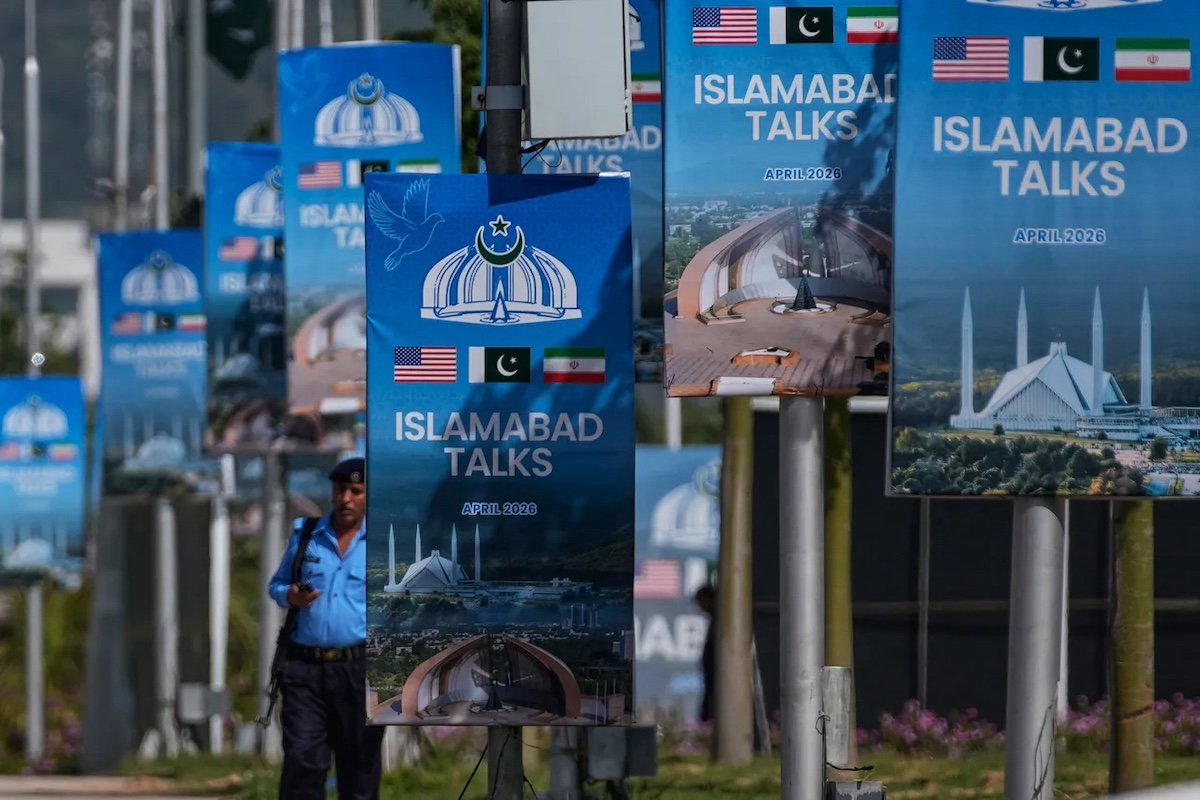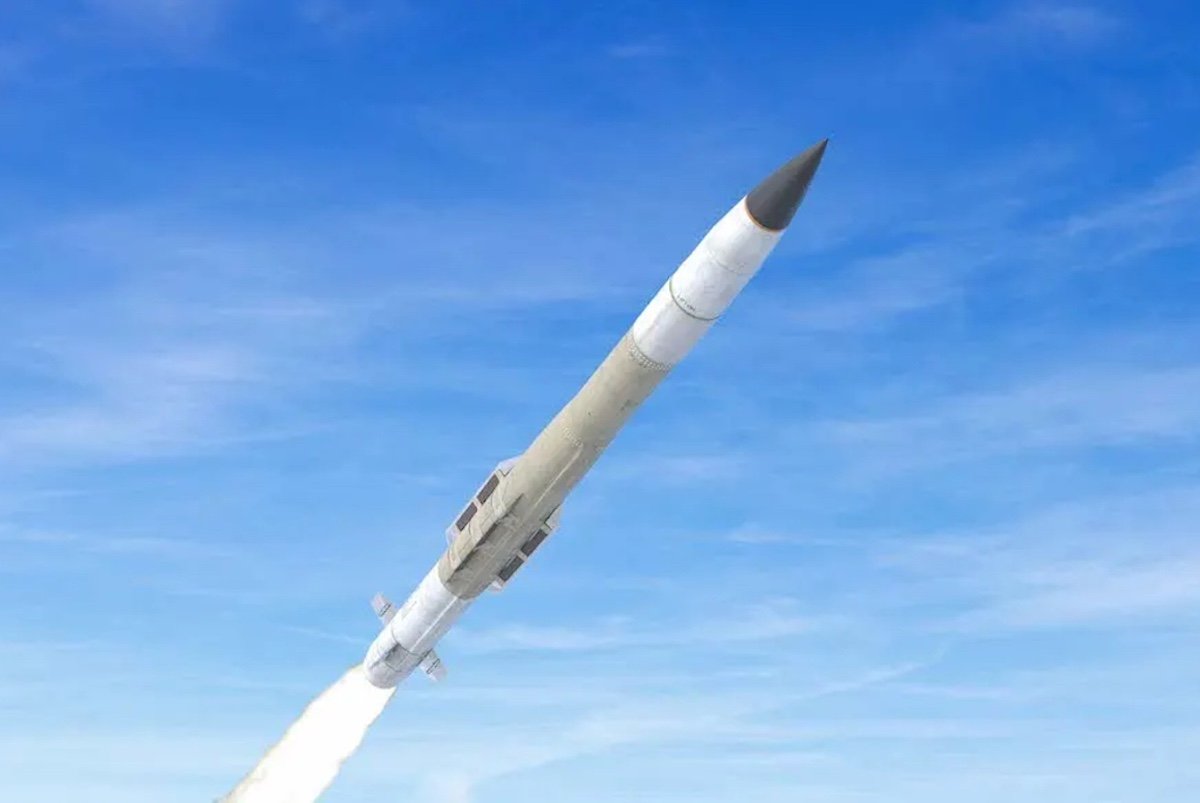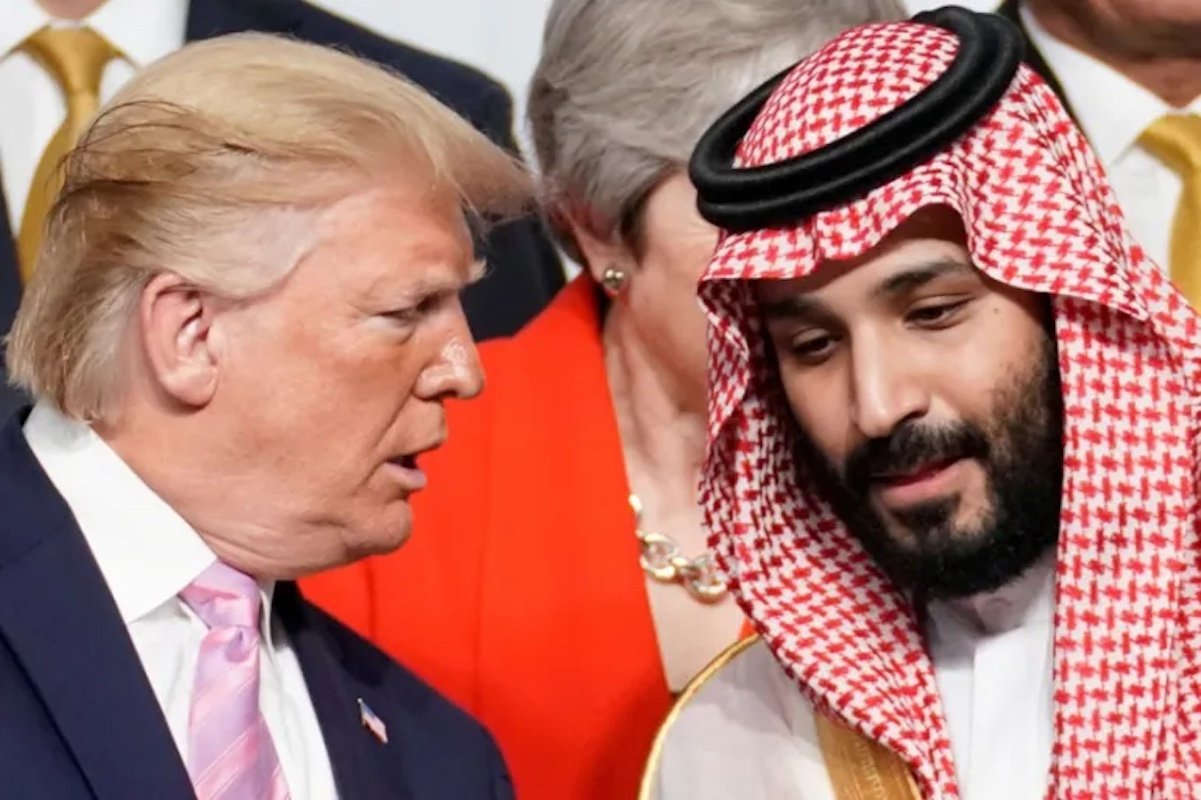
When missiles streaked across the Persian Gulf in late February, striking Saudi Arabia's Eastern Province and American bases in Bahrain, Qatar, and the UAE, Washington's pundits reached for a familiar script: now, surely, Riyadh would have to choose sides. The Iran war, they argued, would end Crown Prince Mohammed bin Salman's flirtation with multipolarity and restore the old American-led order.
That narrative is tidy, but it is also wrong. What we are witnessing in Riyadh is not the sentimental return of a wayward client but the cold, hard realism of a regional power acting like one. The Saudis have read the same headlines as everyone else—and drawn different conclusions.
The Lessons of 2025 and Before
During the Twelve-Day War of June 2025, when Israeli and American aircraft pummeled Iranian nuclear sites, Riyadh did not see deterrence reaffirmed. It saw a region that could be dragged into open war on Washington and Jerusalem's timetable, with costs borne by anyone within Iranian missile range. The Saudis remember 2019, when their Aramco facilities were struck and the American cavalry never came. They remember the Houthi truce of 2022, which held only because Riyadh, not Washington, made it hold.
The lesson was not that the United States is unreliable—that conclusion was reached long ago—but that the costs of dependence had become unmistakable. Hence the Beijing-brokered rapprochement with Tehran in 2023, which scandalized the foreign policy establishment along Massachusetts Avenue. Hence the Strategic Defense Agreement signed during Bin Salman's November 2025 visit, which fell short of the formal mutual defense treaty Riyadh once sought and which Washington, under domestic political pressures, could not deliver. "Major non-NATO ally" is a consolation prize, not a security guarantee.
The Saudis know the difference. So do the Pakistanis, whose own defense pact with Riyadh did not give Tehran a moment's pause when its drones and ballistic missiles fell on Saudi soil. As the US military's costly dilemma with Iran's cheap drones shows, the economics of modern warfare favor the attacker.
A Seesaw Policy, Not a Choice
This is not the behavior of a kingdom torn between East and West. It is the behavior of a state pursuing what Bismarck would have recognized as Schaukelpolitik—a seesaw policy—and what an earlier generation of American realists would have called common prudence. Vision 2030 is not a vanity project; it is a wager that the kingdom can, within a generation, diversify away from the rentier-and-protection model that left it dependent on American arms and forbearance.
To make that wager, MBS needs Chinese capital, Turkish drones, Pakistani manpower, European industrial partners, and—yes—an American security umbrella, but on terms he negotiates rather than receives. The Iran war does not invalidate that calculation. It vindicates it. The sovereign-wealth reorientations toward European defense industries, the quiet expansion of non-dollar settlement arrangements with Chinese counterparties, and the diplomatic openings to Ankara and Islamabad are not bargaining chips Riyadh will quietly surrender. They are the load-bearing elements of a post-American security architecture in the Gulf, built in plain sight.
Washington persists in a kind of strategic solipsism. The premise of every recent American initiative—from the Abraham Accords to the abortive Saudi-Israeli normalization push, to the doomed Witkoff-Araghchi shuttle of February—has been that regional players want, above all, to be inside the American tent. When the Saudis told the Biden administration they would not normalize with Israel without a credible path to a Palestinian state, this was treated as a tactical demand rather than a settled policy. When the Emiratis cooled to American AI export controls, this was treated as a misunderstanding. When the Qataris kept lines open to Tehran, this was treated as a useful eccentricity.
The pattern points to something the establishment cannot name: the Gulf has decided that no single guarantor—including the one in Washington—is sufficient anymore. This need not be a tragedy for the US, though it will be experienced as one in quarters where American primacy is treated as a load-bearing wall of the international order. A soberer reading suggests that Saudi hedging is precisely the outcome a "constructive disengagement" from the region was always meant to produce.
The kingdom is shouldering more of its own defense burden. It is investing in regional diplomacy that Washington cannot, for domestic political reasons, replicate. It is constructing the kind of multi-vector posture that middle powers across the Global South—from India to Indonesia, from Brazil to Vietnam—have already adopted without scandal. As Trump's Iran conflict undermines dollar dominance across Asia, Riyadh's moves toward non-dollar settlement are part of a broader trend.
That Riyadh has chosen now, of all moments, to demonstrate the seriousness of its hedge is a tribute less to Saudi audacity than to the predictability of the war itself. The honest question for Washington is no longer whether Saudi Arabia will "choose." It will not. The question is whether the United States can adapt to a Gulf where its role is one among many—or whether it will continue to mistake its own assumptions for reality.