TOKYO — Whether U.S. President Donald Trump seeks a ceasefire in the Iran conflict tomorrow or the hostilities drag on, the economic repercussions are already entrenched. For the world's major economies, including those across Asia, the notion of restoring pre-crisis normalcy is increasingly elusive. The persistent threat of Iranian retaliation continues to rattle financial markets and supply chains from Tokyo to Mumbai.
The Dollar's Eroding Dominance
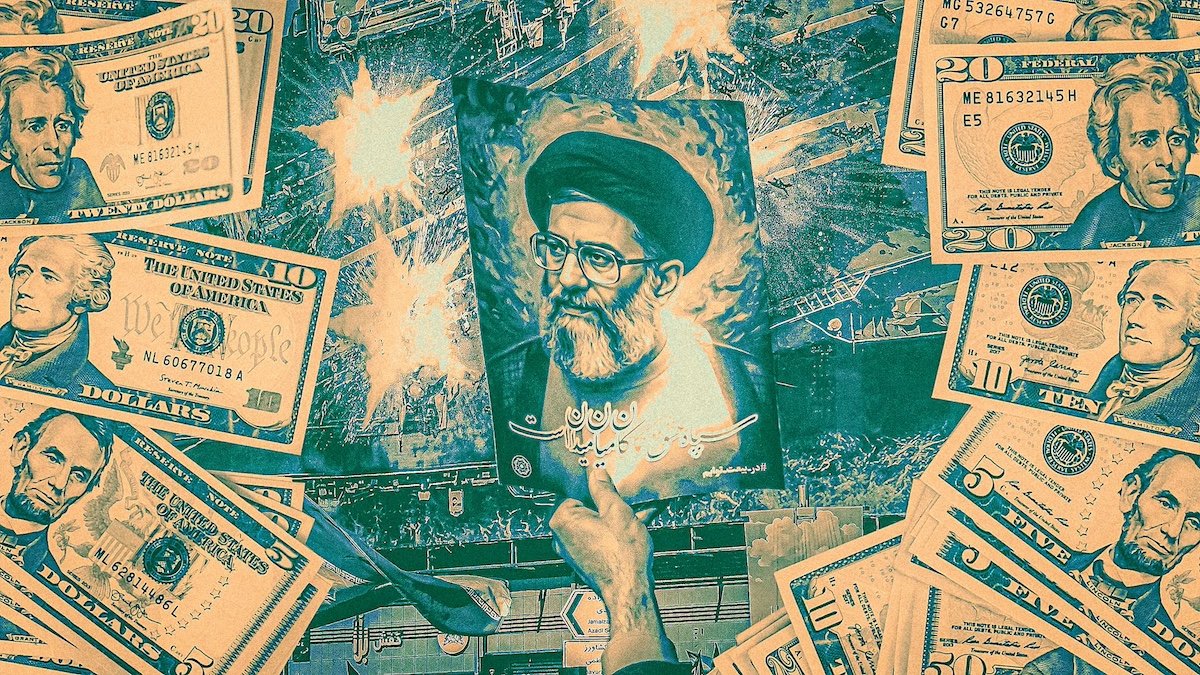
The most profound damage may be to the U.S. dollar's status as the world's primary reserve currency. The Trump administration's unilateral military actions and economic coercion, including the Hormuz blockade, have accelerated a trend already underway: Asian central banks and sovereign wealth funds are diversifying away from dollar-denominated assets. China, Japan, and South Korea have all increased their holdings of gold and non-dollar currencies in recent months.
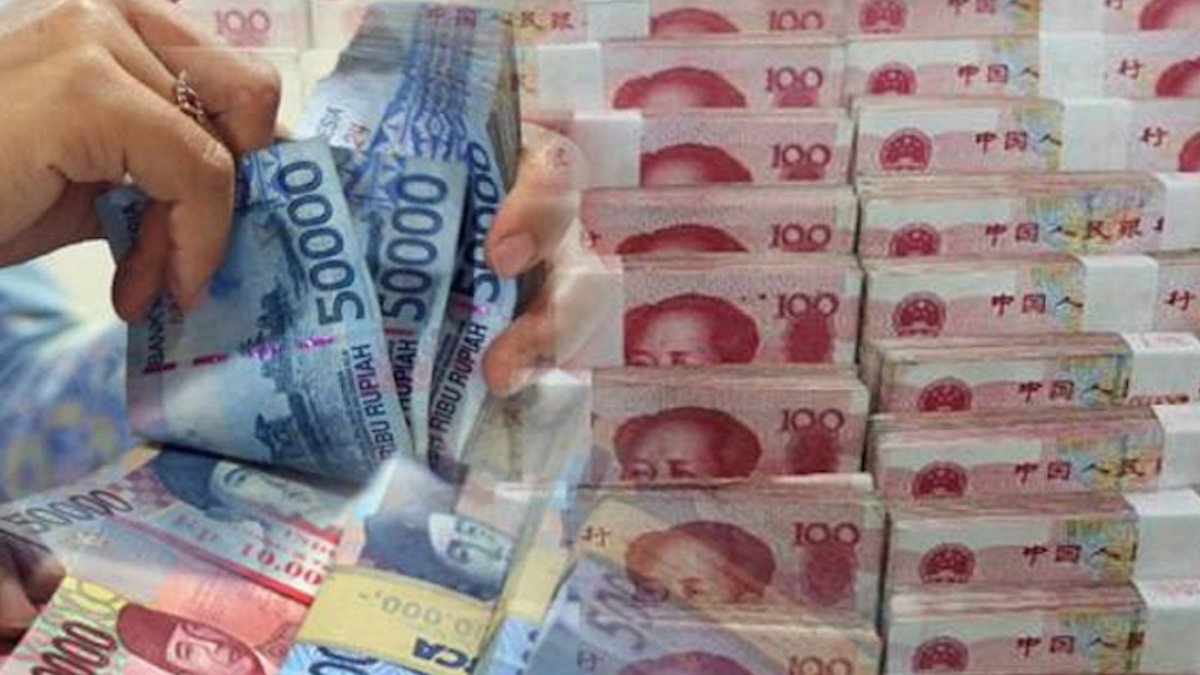
In Beijing, policymakers are doubling down on efforts to internationalize the renminbi. The People's Bank of China has expanded bilateral swap lines with central banks in Southeast Asia and the Middle East, offering an alternative to dollar-based trade settlement. India's Reserve Bank has similarly encouraged rupee-denominated trade with Iran and Russia, a move that reduces exposure to U.S. financial sanctions.
“The dollar's role as a safe haven is being questioned,” said a senior economist at the Institute for International Monetary Affairs in Tokyo. “Asian nations are hedging against the risk that Washington will weaponize the financial system again.”
Oil Shockwaves Across Asia
The conflict has sent crude oil prices surging past $100 per barrel, a level that strains the budgets of net importers like Japan, South Korea, and India. Japan's Ministry of Economy, Trade and Industry reported a 15% increase in energy import costs in the last quarter, squeezing corporate margins and household spending. South Korea's finance ministry has announced emergency measures to stabilize fuel prices, including temporary tax cuts.
India, which imports over 80% of its oil, faces a particularly acute challenge. Prime Minister Narendra Modi's government has been forced to dip into strategic petroleum reserves while seeking alternative suppliers in Africa and Latin America. The crisis has also revived discussions about a potential Asian oil buyers' club to negotiate collectively with producers.
The NATO allies' rejection of Trump's Hormuz blockade has further isolated Washington, leaving Asian nations to navigate the turmoil largely on their own. Singapore, a key refining hub, has seen its port traffic disrupted as tankers reroute around the Strait of Hormuz.
Supply Chain Realignments
Beyond energy, the conflict is reshaping supply chains across the Indo-Pacific. Electronics manufacturers in Taiwan and South Korea are scrambling to secure alternative sources for rare earth metals and other critical inputs that transit the Persian Gulf. Vietnam and Thailand are seeing increased foreign direct investment as companies seek to reduce their reliance on any single corridor.
Japan's Prime Minister Fumio Kishida has announced a new economic security strategy that includes stockpiling key materials and diversifying suppliers. The plan, which echoes similar moves in China and India, reflects a broader shift toward self-reliance in an era of geopolitical instability.
The Trump administration's Iran campaign may ultimately prove a Pyrrhic victory, even if it achieves its immediate military objectives. The long-term erosion of trust in U.S. leadership and the dollar's primacy could have consequences that outlast any ceasefire. For Asia, the lesson is clear: the era of unquestioned dollar hegemony is drawing to a close.