President Donald Trump has declared victory in the war with Iran, even as the conflict's final chapter remains unwritten. The killing of Supreme Leader Ali Khamenei and the severe degradation of Iran's missile and naval forces are undeniable tactical successes. Yet, a growing chorus of analysts and historians is invoking a term that haunted earlier US interventions in the Middle East: Pyrrhic victory.
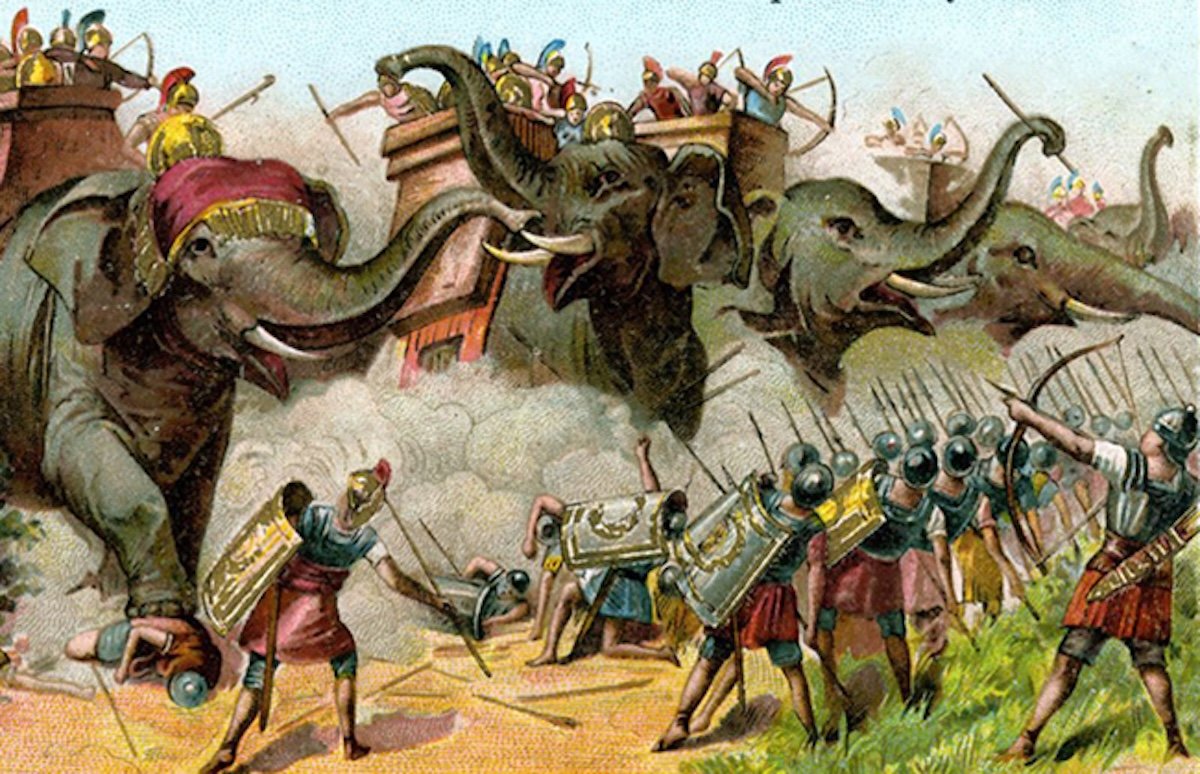
The phrase, drawn from the ancient Greek king Pyrrhus of Epirus, describes a win that leaves the victor worse off than before. After his costly battles against Rome at Heraclea and Asculum in 280–279 BCE, Pyrrhus reportedly remarked, "If we are victorious in one more battle with the Romans, we shall be utterly ruined." The problem was not merely the price paid, but that each victory shifted the strategic balance against him. The same logic now applies to Washington's campaign in Iran.
From Baghdad to Tripoli: The Pattern of Pyrrhic Victories
The 2003 invasion of Iraq offers a clear parallel. US-led forces dismantled Saddam Hussein's regime in weeks, but the collapse of the Iraqi state unleashed an insurgency, sectarian war, and ultimately the rise of the Islamic State. Crucially, Saddam's Iraq had served as a counterweight to Iranian influence in the Persian Gulf. Removing him cleared the path for Tehran to expand its regional reach—a direct precursor to the current conflict.
Libya in 2011 followed a similar trajectory. NATO's air campaign removed Muammar Gaddafi quickly, but the absence of a post-war plan left the country fractured among militias and competing governments. An arms stockpile flooded into the Sahel, fueling conflicts that persist today. Moreover, Gaddafi's fate sent a chilling signal to other states: complying with demands to dismantle weapons of mass destruction programs, as he had done, does not guarantee security—it may invite attack.
Both Iraq and Libya were battlefield triumphs that left the United States in a weaker strategic position. The question now is whether Iran will follow suit.
The Strategic Costs of Victory in Iran
On the surface, the US campaign has achieved its stated objectives. Khamenei is dead, Iran's missile forces are crippled, and its navy has taken heavy losses. Washington has declared victory, and by its own metrics, there is a case to be made.
But the ledger on the other side is growing. Iran still largely controls the Strait of Hormuz, a chokepoint for global oil shipments, and has demonstrated leverage it did not exercise before the war. Oil prices have surged to nearly US$100 a barrel, rippling through economies from Tokyo to New Delhi. Russia, without firing a shot, is positioned to reap the windfall from higher energy prices.
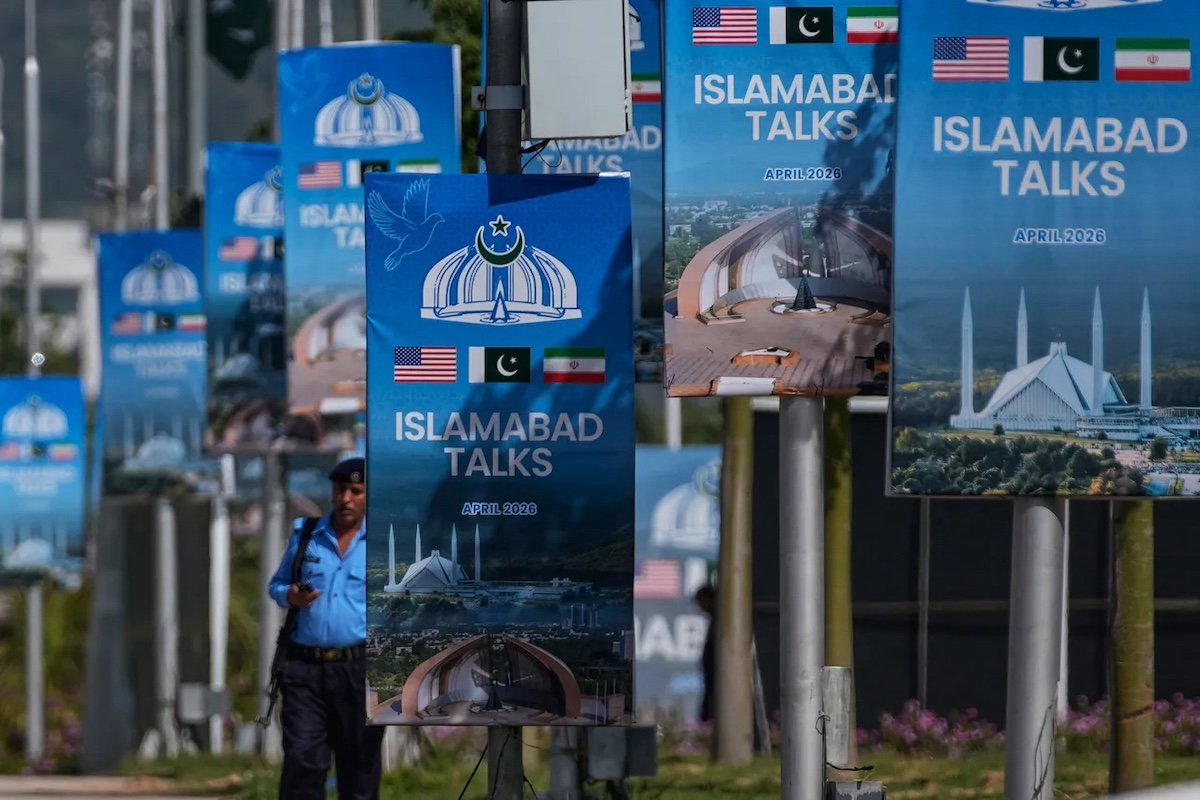
Perhaps most critically, the war's stated goal of resolving Iran's nuclear program now seems more distant than ever. A state that has absorbed this level of punishment has stronger reasons to seek a deterrent, not weaker ones. The stalled talks in Islamabad and the broader diplomatic landscape suggest that Tehran's nuclear ambitions are unlikely to be abandoned.
As analysis suggests, the conflict may settle into a protracted stalemate, with neither side able to achieve a decisive outcome. Meanwhile, the Hormuz blockade has raised the stakes ahead of high-level diplomatic engagements, including the Trump-Xi summit.
The Indo-Pacific is not immune to these dynamics. Japan's supply chains have already felt the strain, and nations across the region are reassessing their energy security and nuclear postures. The war in Iran is not a distant Middle Eastern affair—it has direct consequences for Asian economies and strategic calculations.
Pyrrhus had his answer after Asculum. For Trump, the question is whether the victory in Iran will leave the United States stronger or weaker. The Strait of Hormuz, the oil markets, the stalled nuclear talks, and a resurgent Russia all suggest that the answer may be the latter.