When Indonesia launched its "10 New Balis" initiative a decade ago, the vision was bold: replicate the economic success of Bali across the archipelago, easing the nation's dependence on one island and channeling tourism revenue to long-neglected regions. But as the years passed, that ambition collided with fiscal constraints and sluggish private investment, forcing Jakarta to pare down the plan to five so-called Super-Priority Tourism Destinations (SPTDs): Lake Toba, Borobudur, Mandalika, Labuan Bajo, and Likupang.
Officials now frame the shift as a philosophical evolution from mass tourism to higher-quality, sustainable travel. Yet a closer look suggests the downsizing was also an admission that opening ten development fronts simultaneously—without robust private-sector participation—risked leaving a trail of half-finished projects that consumed public funds without delivering returns. Indonesia's Ministry of Public Works and Housing has poured nearly four trillion rupiah (US$224 million) into the five SPTDs alone, with Borobudur receiving over two trillion rupiah for gateway upgrades and cultural corridors, followed by hundreds of billions for Lake Toba.
Ground Realities Undermine Grand Plans
These expenditures were justified by the assumption that state-led infrastructure would catalyze private investment, originally expected to cover 68% of long-term funding needs. But the critical question is whether these trillions have created self-sustaining tourism ecosystems or merely an artificial façade of prosperity. A rigorous evaluation must look beyond Jakarta's office metrics—kilometers of toll roads, racing circuits, or marinas—to conditions on the ground, where aesthetic modernization often clashes with local socio-ecological realities.
At Lake Toba, the premium Toba Caldera Resort in Sigapiton has sparked land disputes. Indigenous communities opposed the acquisition of active agricultural land for access roads, leading to confrontations with security forces. Residents rejected what they deemed inadequate compensation, unwilling to become spectators on ancestral land where customary claims lack formal legal recognition. Similarly, in Mandalika, West Nusa Tenggara, the international motorcycle circuit has put Lombok on the global map, but the glamour of world-class racing contrasts sharply with the economic struggles of surrounding villages, where locally owned accommodations struggle against luxury resorts.
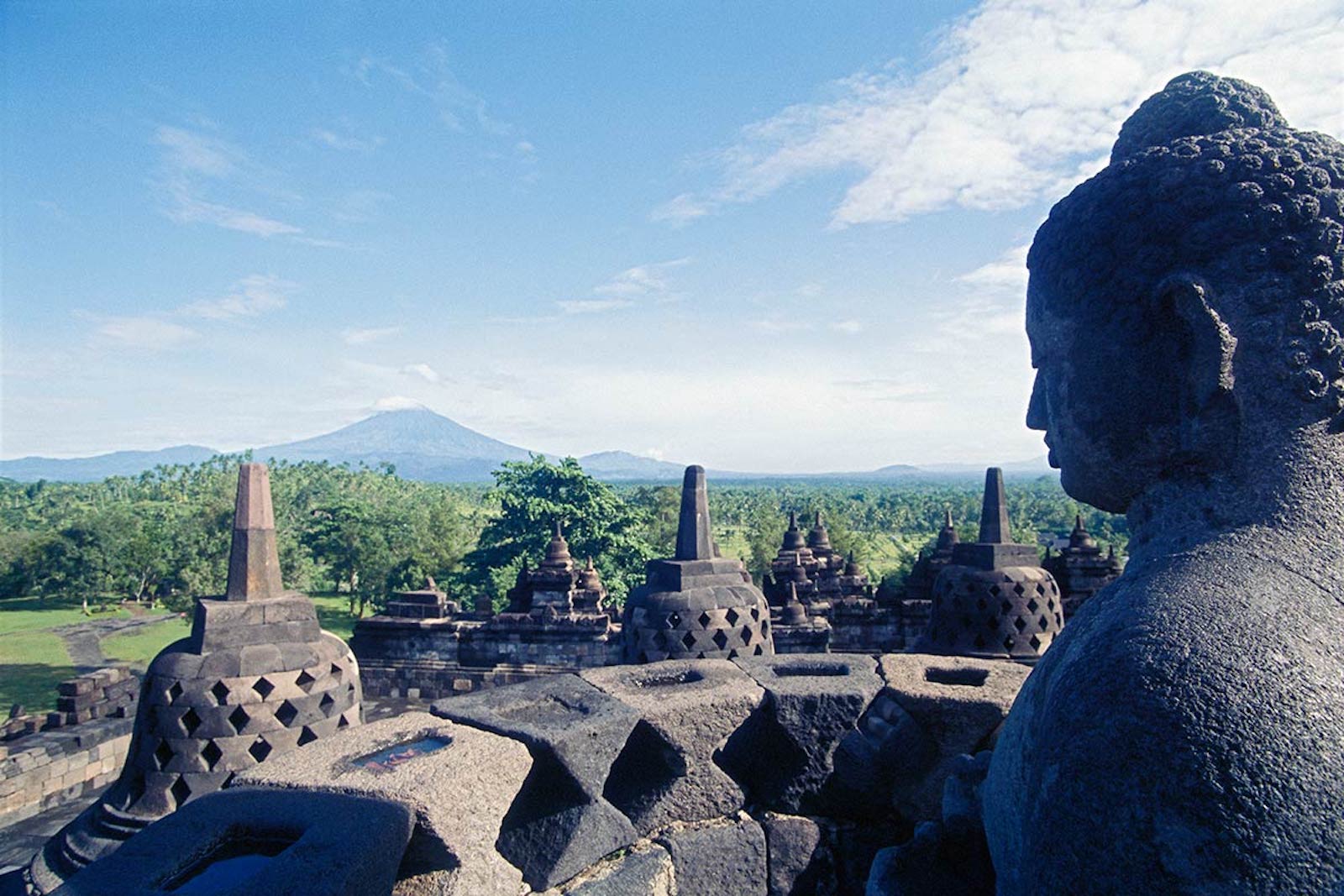
In Labuan Bajo, East Nusa Tenggara, beautification projects and marina redevelopment have transformed the town into a venue for high-profile gatherings, yet ecological pressure on Komodo habitats and social tensions over public-space access for fishing communities are intensifying. Further north, Likupang in North Sulawesi faces unresolved permits for a key access road to its tourism special economic zone. Borobudur in Central Java must balance heritage conservation with modernization, complying with UNESCO's strict heritage impact assessments. These hurdles show that creating world-class destinations is far more complex than reallocating funds from Jakarta.
The fate of destinations dropped from the priority list is even more telling. Tanjung Kelayang in Bangka Belitung, left to chart its own course, failed sustainability audits due to weak management and insufficient community participation. Tanjung Lesung in Banten saw toll-road delays discourage private investment, while Wakatobi in Southeast Sulawesi suffered a sharp decline in international arrivals due to absent direct flights post-pandemic—illustrating how even extraordinary natural attractions become vulnerable without reliable transport.
Indonesia's broader economic challenges compound these issues. As reported in Capital Flight and Trade Fraud Keep Indonesia's Rupiah Under Siege, currency pressures and capital outflows strain the government's ability to sustain such ambitious projects. Meanwhile, the country's risky return to state-controlled commodity trade raises questions about fiscal discipline. The government defends the program with impressive macroeconomic indicators—international tourist arrivals have rebounded—but on the ground, the gap between macro success and local welfare remains stark. The nightmare of the "10 New Balis" is not just about unfinished projects; it is about the structural inequalities and ecological costs that persist when development prioritizes aesthetics over people.