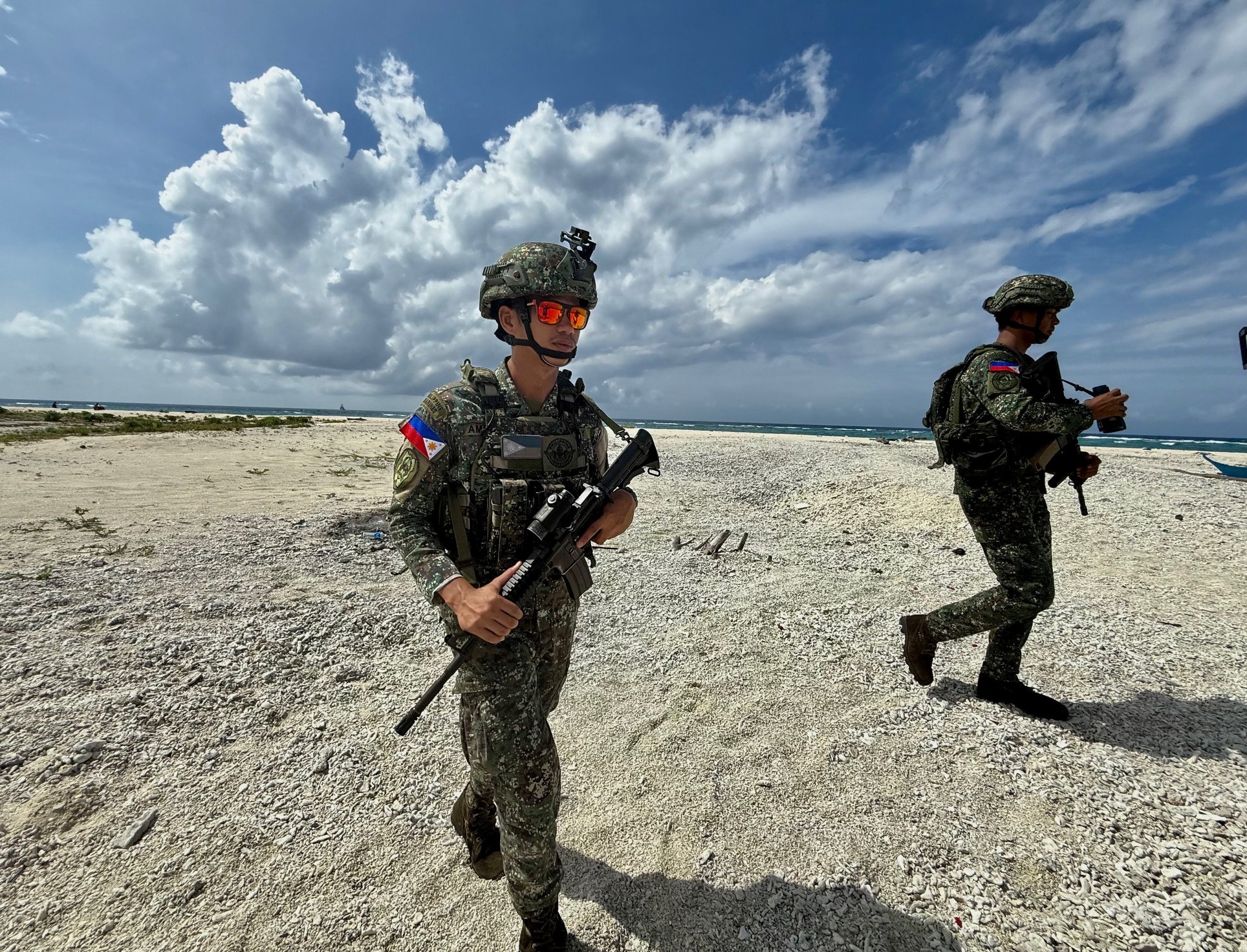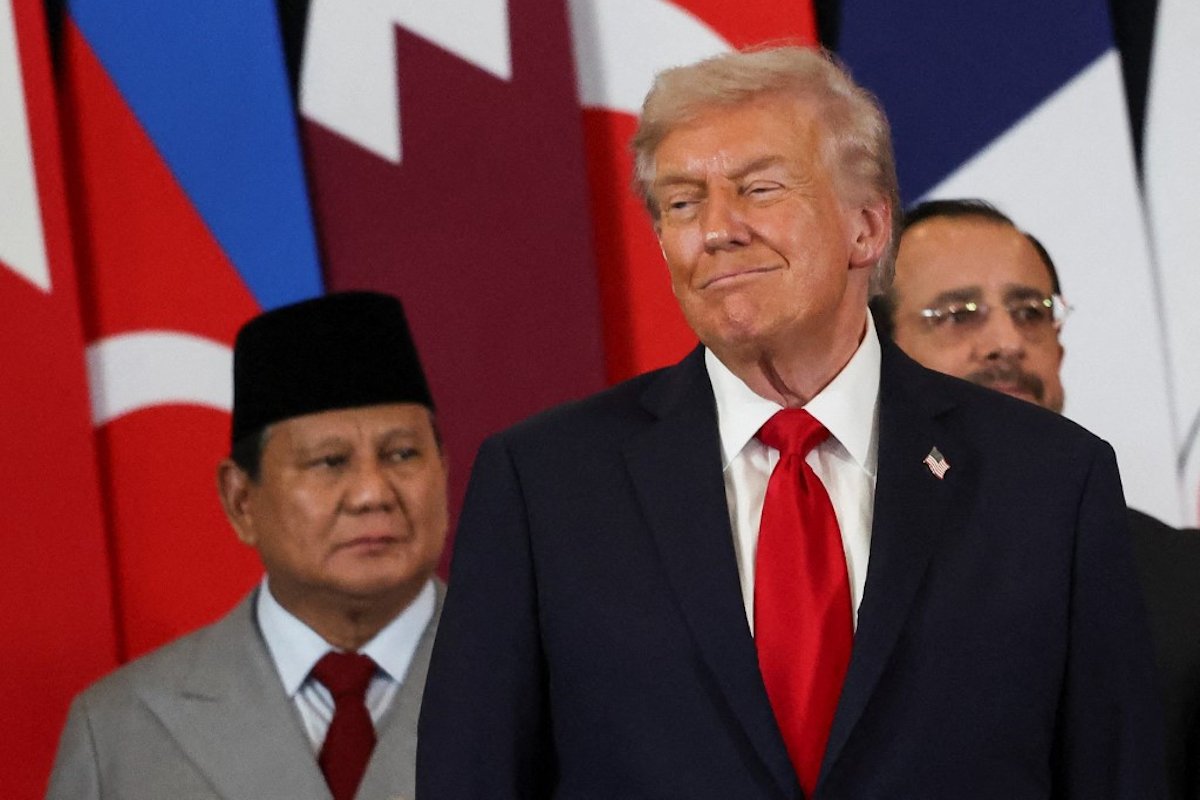
Indonesia's foreign ministry has raised significant internal objections to a proposed military agreement with the United States, warning it could draw the archipelagic nation into regional conflicts and compromise its sovereignty. The arrangement, which would grant US military aircraft broad access to Indonesian airspace for transit and contingency operations, has exposed a deepening rift within Jakarta's foreign policy establishment.
According to internal assessments, the ministry cautioned that such access could create perceptions of alignment with Washington, enable surveillance activities from Indonesian territory, and potentially make the country a target in great-power disputes. These concerns are not abstract; they follow repeated US military surveillance flights that Indonesia has formally protested in recent years.
A Pattern of Strategic Inconsistency
This episode is not an isolated incident but part of a broader pattern of foreign policy decisions that appear reactive and lacking a coherent strategic framework. In November 2024, Jakarta signed a joint statement with China that carried significant implications for sovereignty in the South China Sea. While framed as economic and diplomatic cooperation, the move was widely interpreted as accommodating Beijing's narrative in waters where Indonesia's own exclusive economic zone around the Natuna Islands is contested.
Now, barely eighteen months later, Indonesia is considering granting the United States unprecedented operational flexibility in its airspace. Taken together, these moves suggest a troubling willingness to concede strategic space to competing powers without a clear doctrine governing such concessions.
Indonesian officials frequently invoke the nation's long-standing "bebas-aktif" or "free and active" foreign policy doctrine to justify engagement with multiple partners. Originally conceived by Vice President Mohammad Hatta, this doctrine was designed to preserve independence from entangling alliances while enabling proactive diplomacy in pursuit of national interests. However, critics argue its contemporary application has drifted toward inconsistency rather than principled neutrality.
Sovereignty as a Bargaining Chip?
The core contradiction lies in Jakarta's simultaneous deepening of ties with Beijing while China maintains expansive claims in the South China Sea that overlap with Indonesia's maritime jurisdiction. At the same time, exploring enhanced military access for Washington pulls Indonesia toward the very US-China rivalry it seeks to avoid. A coherent foreign policy requires clear red lines, with sovereignty over territory and airspace being among the least negotiable principles.
Yet current trajectories suggest sovereignty is increasingly treated as a flexible bargaining chip, adjusted according to the partner and immediate circumstances. This approach carries substantial risks. First, it undermines Indonesia's credibility; if Jakarta appears equally willing to accommodate competing powers, neither Washington nor Beijing will fully trust its proclaimed neutrality. Second, it increases vulnerability by offering strategic access—whether diplomatic, economic, or military—without a clear framework, potentially transforming Indonesia from an independent actor into a venue for great-power competition.
The regional context amplifies these risks. As China's military capabilities expand and US forces modernize to maintain deterrence, the Indo-Pacific has become increasingly contested. Indonesia's strategic choices occur against this backdrop of intensifying rivalry, where middle powers face growing pressure to align.
Domestic and International Consequences
A foreign policy without clear direction is difficult to defend domestically and harder to sustain over time. The confusion extends beyond international partners to the Indonesian public itself. The foreign ministry's intervention regarding the US overflight proposal represents more than a bureaucratic dispute with the defense ministry; it is an internal warning that Indonesia may be drifting into decisions that compromise its long-term interests.
The economic dimension further complicates matters. Indonesia seeks investment and technology from both the US and China, but this engagement occurs within a global economy where China's industrial policies reshape trade flows and economic institutions reassess development models. Balancing economic pragmatism with strategic autonomy presents a persistent challenge.
Indonesia does not need to choose between the United States and China, but it does need to choose coherence over opportunism. This requires a foreign policy firmly anchored in clearly defined national priorities rather than merely being friendly to all. The alternative is not simply being drawn into other countries' conflicts, but progressively diminishing the capacity to defend what matters most: genuine sovereignty and strategic independence.
Being "free and active" should mean standing firm on principles. Currently, it appears more like strategic drift—a dangerous course for Southeast Asia's largest economy and a founding member of ASEAN. The coming months will reveal whether Jakarta can recalibrate its approach or whether contradictions will continue to define its engagement with the world's competing powers.