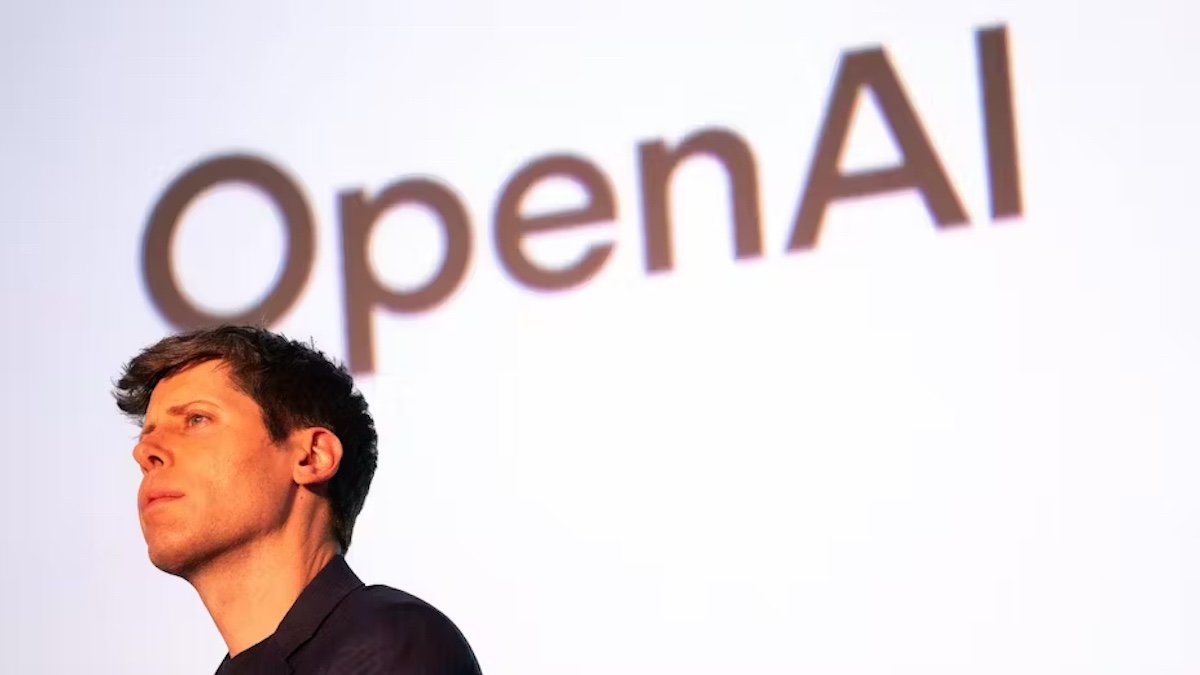
Three of the most influential private companies in artificial intelligence are preparing to go public, a shift that could bring unprecedented scrutiny to an industry often criticized for its secrecy. SpaceX, OpenAI, and Anthropic are all planning initial public offerings, with SpaceX expected to list as early as this Friday. Together, they are valued at nearly $4 trillion and could raise a record-breaking $200 billion from public investors.
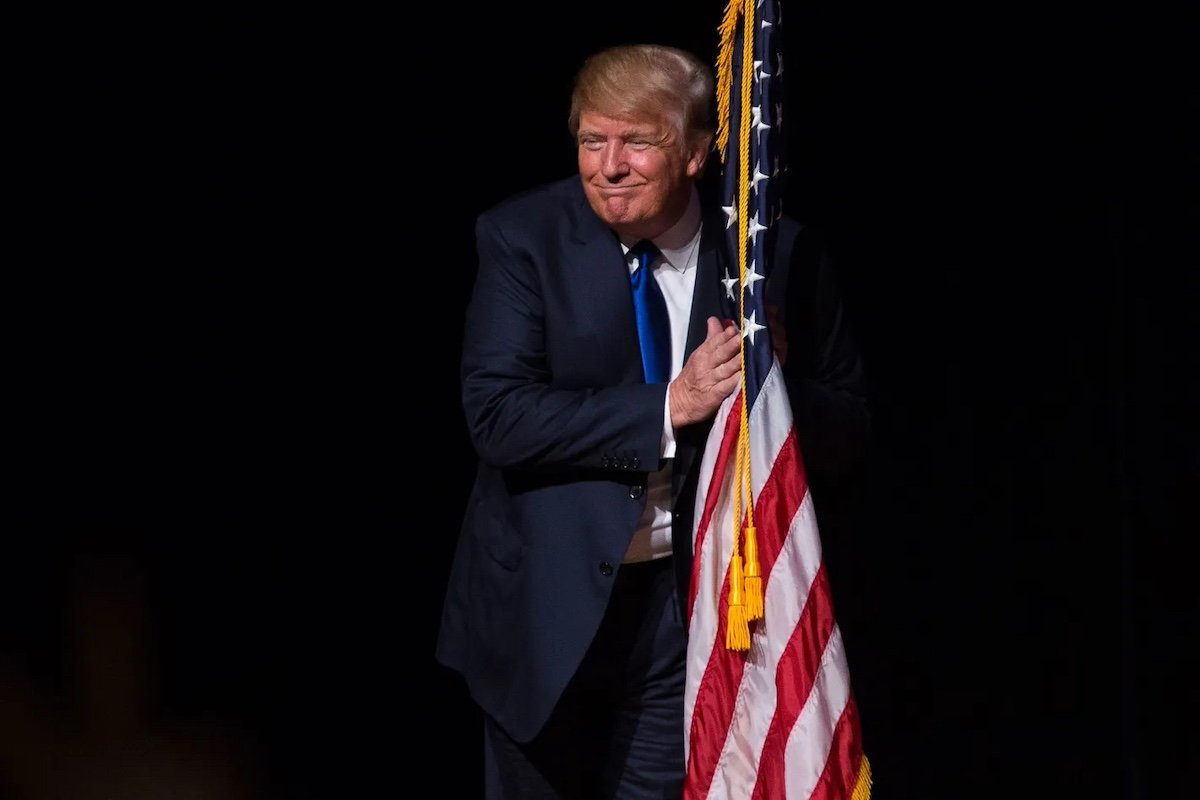
SpaceX, led by Elon Musk, aims to sell just 4% of its shares, raising $75 billion. Musk, already the world's wealthiest individual with an estimated net worth of $800 billion, owns about 42% of the company and holds options to buy more at a fraction of the offering price. Analysts predict this IPO could push his fortune past the trillion-dollar mark.
While much of the coverage has focused on the staggering sums involved, the real significance may lie in what these listings mean for accountability. Once these companies trade on public exchanges, they will be subject to US securities laws that require full disclosure of material risks. Investors can sue for securities fraud if a company fails to reveal a risk that later causes financial harm.
How Public Listing Could Change AI Oversight
Under the Securities Exchange Act of 1934, Rule 10b-5 has been used to hold companies accountable for omissions. Bank of America paid $2.43 billion to settle a lawsuit over its 2008 acquisition of Merrill Lynch, and Countrywide Financial paid $600 million for failing to disclose subprime mortgage risks. The same legal framework could now apply to AI firms.
Consider a hypothetical scenario: Anthropic accidentally leaks the source code of its Claude Mythos Preview model, as happened earlier this year. If North Korean hackers then exploit that code to breach US government systems, the company's share price would likely fall. Investors could sue Anthropic for not disclosing the risk of a code leak, arguing that the omission misled them.
This mechanism has limits. It only works if AI harms are eventually reflected in stock prices. The protection is indirect: it safeguards investors first, and the broader public only secondarily. Still, it represents a step toward transparency in a sector where risks are often downplayed.
The International Monetary Fund warned last month that “financial stability risks mount as artificial intelligence fuels cyberattacks,” citing Anthropic's controlled release of Claude Mythos Preview as an example of how quickly risks are escalating. The IMF noted that “fast-moving, AI-driven cyber risks could destabilize the financial system if not managed carefully.”
Critics argue that the market has not yet delivered on its promise of accountability. The Nasdaq, the world's second-largest stock exchange, controversially allowed SpaceX to join its Nasdaq-100 index after just 15 trading days, bypassing the usual three-month waiting period. This has raised questions about whether exchanges are prioritizing growth over governance.
Yet there is reason for cautious optimism. Investors have a direct financial incentive to ensure AI companies manage existential risks. As one analyst put it, “it’s in investors’ interests not to drive humanity to the verge of collapse.” The question is whether quarterly earnings reports can capture diffuse, slow-moving threats like algorithmic bias or systemic cyber vulnerabilities.
For readers in Asia, where countries like China, Japan, and South Korea are racing to develop their own AI ecosystems, the implications are significant. Chinese tech giants such as Baidu and Alibaba are already under tight state control, but the transparency demanded by US markets could set a global benchmark. As The Real AI Threat: Information Control, Not Superintelligence argues, the real danger may be less about rogue superintelligence and more about how information is managed.
Similarly, the IPO wave could influence how Asian investors view AI stocks. With memory chip giants reaching a profit plateau, the AI sector's valuation bubble is a growing concern. If these IPOs force greater disclosure, they might also temper some of the hype.
Ultimately, more disclosure is better than less. Whether it will be enough to address the deepest fears about AI remains uncertain. But for the first time, investors—and by extension the public—will have a legal lever to demand answers from the companies building the future.