The global economy, which demonstrated resilience through the Ukraine conflict, now faces a far more severe test. An escalation of hostilities in the Middle East has upended a previously stable outlook, with the Strait of Hormuz at the center of a burgeoning energy crisis that threatens worldwide growth.
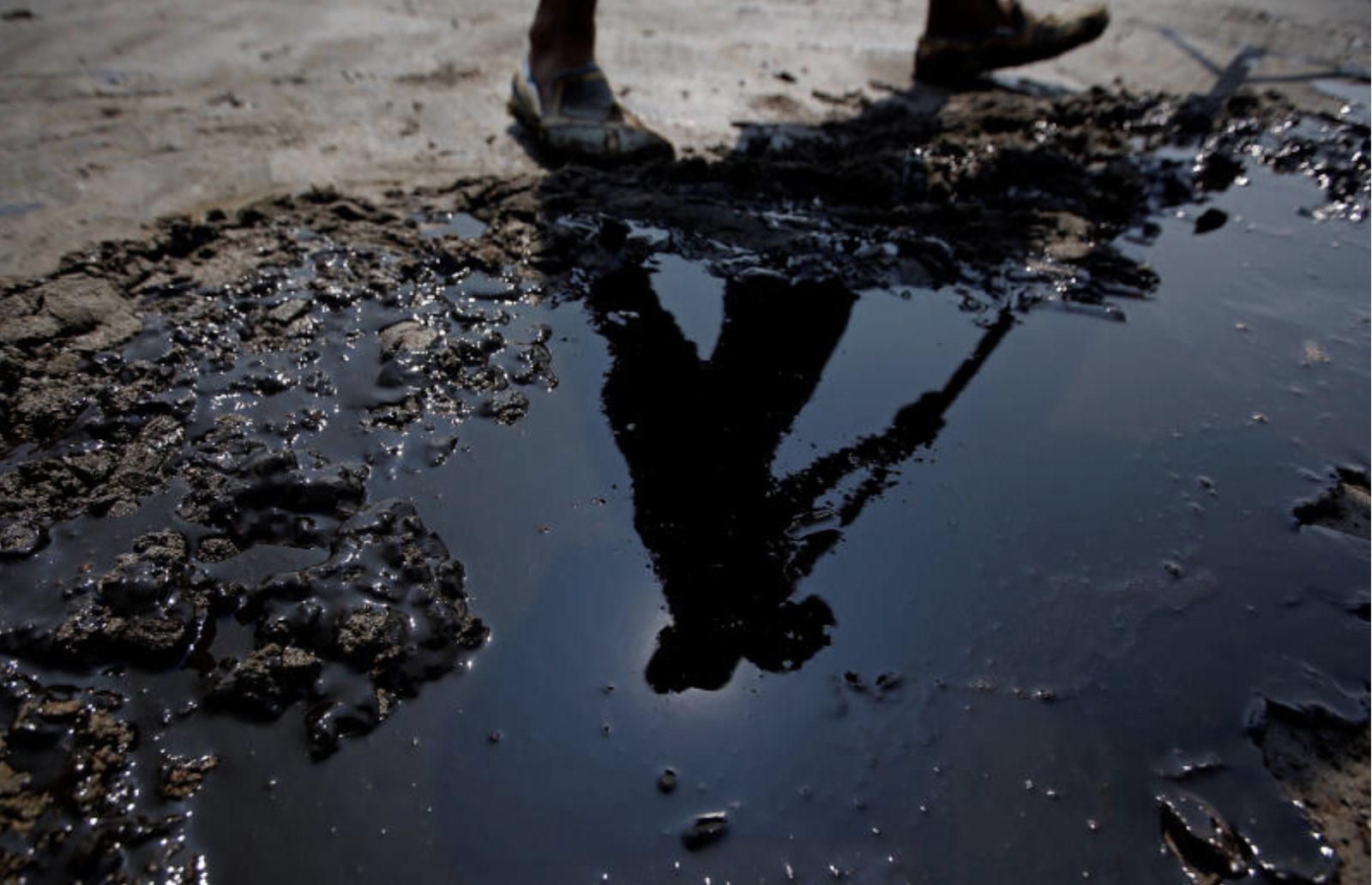
Amid fragile ceasefire talks, U.S. President Donald Trump's threat to blockade vessels at Iranian ports has pushed oil prices back above $100 per barrel. The core economic impact is direct: the near-halting of shipments through this critical chokepoint and the closure of regional energy infrastructure have disrupted roughly one-fifth of global oil production and a significant portion of liquefied natural gas trade.
Asian Economies in the Crosshairs
The immediate fallout is a sharp shortage of distillate fuels like diesel and jet fuel. This comes during a period of seasonally high demand for agriculture and pre-holiday travel. Gulf producers are key suppliers of these refined products to Asian markets, leaving nations such as South Korea, Singapore, Taiwan, and Australia acutely exposed. Distillate prices in some affected markets have skyrocketed by as much as 200%.
The Organization for Economic Cooperation and Development (OECD) projects global GDP growth at 2.9% for 2026, largely unchanged from pre-conflict forecasts. However, this masks a stark divergence. Energy exporters may gain from improved terms of trade, while importers—including most of Europe, Japan, Korea, and much of emerging Asia—face a severe squeeze on real incomes. The OECD has revised U.S. growth upward but cut forecasts for the euro area and the United Kingdom.
Inflation is expected to rise globally, with G20 headline inflation predicted to increase by 1.2 percentage points to 4%. These estimates, however, rely on optimistic assumptions that energy prices will peak below $100 and then decline. A resumption of conflict or a successful blockade could see prices remain elevated far longer, with a prolonged Strait of Hormuz closure removing at least 10% of global oil supply.
The Stagflation Specter
Prolonged disruption risks triggering a classic stagflationary scenario—contracting output coupled with high inflation—that policymakers dread. The European Central Bank (ECB) has modeled adverse outcomes where oil prices peak at $120 or even $140 per barrel. In its most pessimistic scenario, the euro area could enter a recession with inflation exceeding 6%.
Central banks are trapped in a difficult bind. Raising interest rates to combat inflation risks deepening an economic slowdown, while cutting rates to spur growth could fuel further price increases. The ECB's cautious, data-dependent approach reflects this dilemma but offers no simple solutions.
Fiscal policy is similarly constrained. Governments, carrying high debt loads from previous crises, have limited room to maneuver. While targeted support for vulnerable populations is necessary, broad energy subsidies that suppress market prices are counterproductive. Countries that import energy have effectively become poorer, and policies must encourage efficiency and reduced consumption, not sustain unsustainable demand.
This crisis may also accelerate the global shift away from oil, with major importers like China seeking greater energy security through diversification and alternative sources. The shock underscores the persistent fragility of a global system reliant on a few key maritime passages. For the export-dependent economies of East and Southeast Asia, the conflict is a stark reminder of their vulnerability to distant geopolitical fractures.