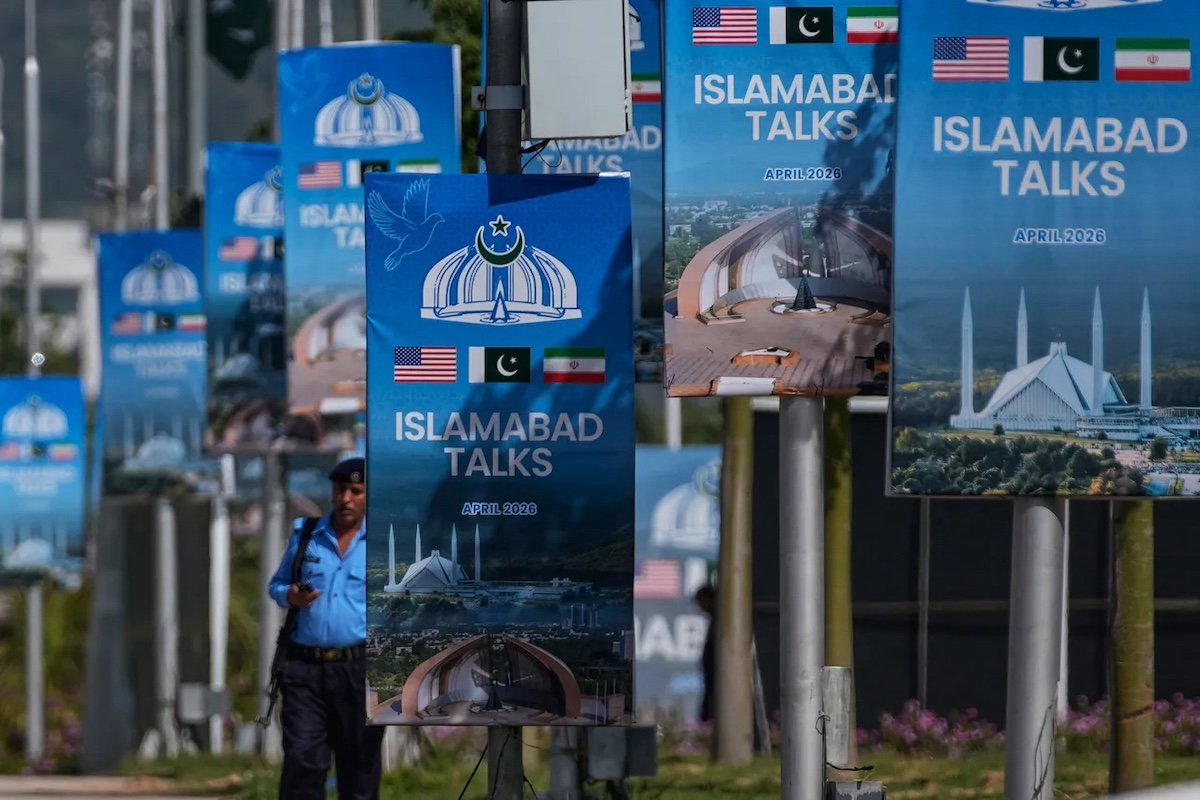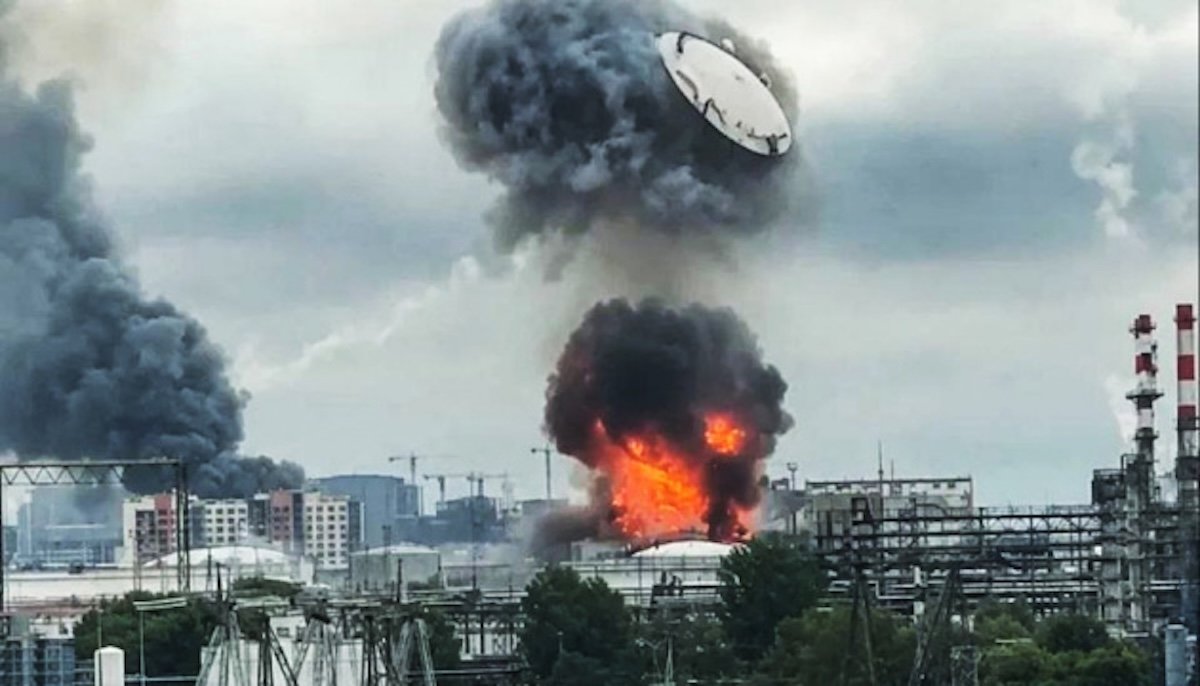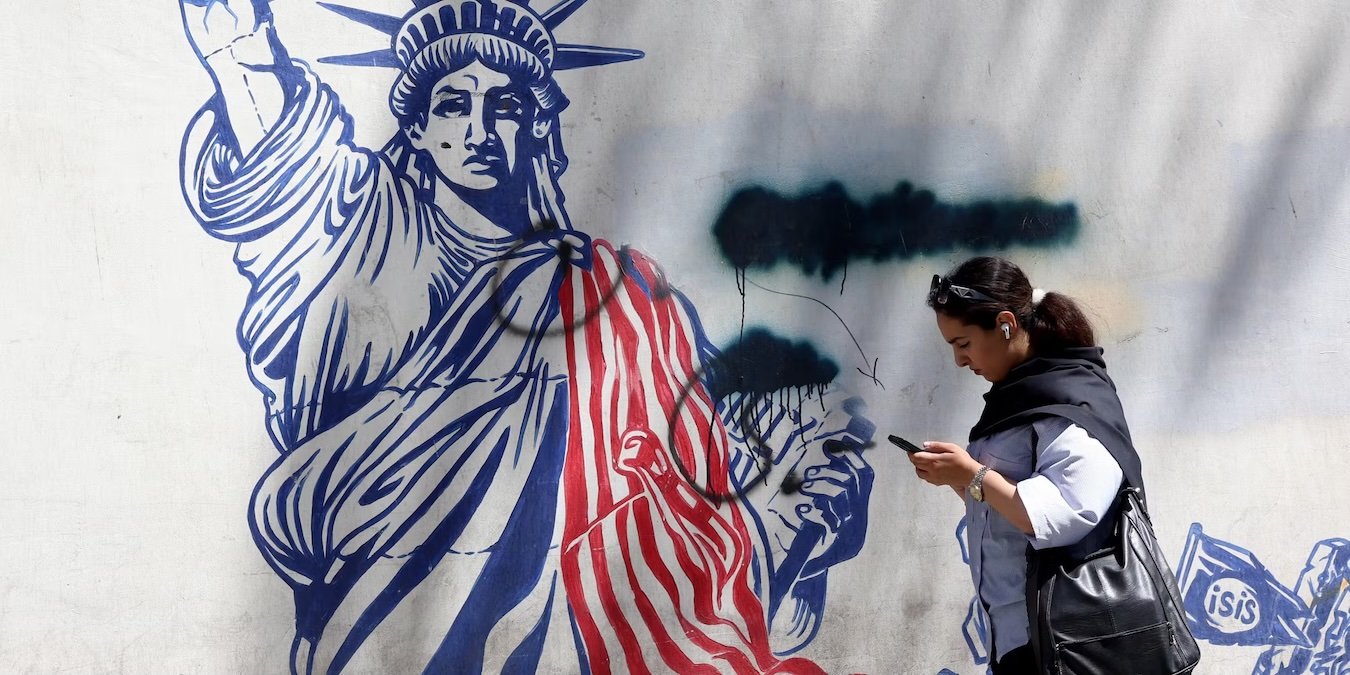
The weekend exchange of strikes between Iran and Israel has intensified pressure on US President Donald Trump, who launched the war with Israeli Prime Minister Benjamin Netanyahu over three months ago. The conflict, which has triggered a global energy crisis and economic pain, now threatens Trump's political standing ahead of the US midterm elections.
Netanyahu, facing Israeli general elections later this year, favors prolonging the war until Iran is weakened. His broader goal of expanding Israel's borders and regional dominance—a vision of so-called "Greater Israel"—has led him to oppose any US-Iran deal that does not meet his objectives. Israel's invasion of southern Lebanon to counter the Iran-backed Hezbollah group is part of this strategy, which Tehran has boldly countered.
Tehran, meanwhile, has shown steely resilience. The regime, relying on a mix of ideological devotion to Shia Islam, historical nationalism, and effective military capability, has not only survived but made strategic gains. It has destroyed or damaged many US bases in the Persian Gulf, struck Israel with missile and drone strikes, and, crucially, gained control of the Strait of Hormuz. This critical oil and fertilizer chokepoint has become Iran's most potent lever of resistance.
Echoes of 1979
The current standoff, now 100 days old, bears striking parallels to the 1979-81 hostage crisis. Ayatollah Ruhollah Khomeini, founder of the Islamic Republic, let that episode drag on for 444 days to consolidate his power and humiliate the United States for backing the pro-Western monarchy of Mohammad Reza Shah Pahlavi. That strategy played a key role in President Jimmy Carter's defeat by Ronald Reagan in the 1980 election; the hostages were released just minutes after Reagan's inauguration.
Iran's current leaders appear prepared to use a similar approach to punish Trump and Netanyahu. The regime has built a system based on defiance, resistance, and pragmatic decision-making. It has the patience to outlast both leaders, as it did with Carter.
The conflict has also revived the Islamic government's domestic standing. Many citizens who opposed the regime have rallied around the flag in the face of external threats. The Islamic Revolutionary Guard Corps, designated a terrorist organization by the US and its allies, has proven its worth as the key defender of Iran and its Islamic system.
Tehran is not as isolated as the Trump administration believes. It enjoys support from both Russia and China. Its geographical location enables access to markets by road through neighbors and via the Caspian Sea to the north. The Strait of Hormuz disruptions have triggered a human security crisis across Asia, affecting energy supplies and fertilizer exports.
The US and Israel still hold military advantages and can inflict heavy damage. But Iran's strategic gains have placed it in a stronger bargaining position. No matter the level of US military and economic pressure, Tehran is unlikely to dismantle its nuclear program or relinquish control over the Strait of Hormuz.
As no military solution exists for the Middle East's enduring crisis, Trump faces the difficult task of reaching an acceptable deal with Iran and restraining an unruly Netanyahu. Whether Iran succeeds in humiliating its adversaries will depend on what Trump does next—and what he is willing to compromise on to bring Tehran to the table for a lasting, mutually acceptable agreement.