TOKYO — The specter of past financial crises is haunting Asia once more. As Iran's confrontation with the West escalates, credit markets are tightening, evoking memories of the 1997-1998 Asian financial crisis and the 2007-2008 global meltdown. Economists are debating which historical parallel fits best, but the reality may be that both are relevant as the region faces a confluence of rising oil prices, capital outflows, and strained banking systems.
Credit Squeeze and Capital Flight
The immediate trigger is the surge in crude oil prices following Iran's threats to disrupt shipping in the Strait of Hormuz. For net oil importers like India, Japan, and South Korea, this raises import bills and widens current account deficits. In Seoul and Mumbai, central banks are already intervening to stabilize currencies, reminiscent of the 1997 crisis when Thailand's baht collapsed after speculative attacks.
But the current situation also echoes 2008, when a liquidity freeze in Western banks cascaded into a global recession. Today, Asian financial institutions are more resilient, but they are not immune. The Bank of Japan and the People's Bank of China are monitoring interbank lending rates closely, as a spike could choke off credit to businesses already struggling with high debt levels.
“The ghosts of 1997 and 2008 are stirring,” said a senior economist at the Asian Development Bank in Manila. “We have stronger fundamentals now, but the combination of geopolitical risk and financial fragility is dangerous.”
Oil Shock and Regional Vulnerabilities
The impact varies across Asia. India, which imports over 80% of its oil, faces the most acute pressure. Prime Minister Narendra Modi's government has already cut fuel taxes to cushion consumers, but a sustained price spike could widen the fiscal deficit and stoke inflation. In Japan, Prime Minister Fumio Kishida's administration is weighing subsidies for refiners, while South Korea's finance ministry has announced plans to release strategic reserves.
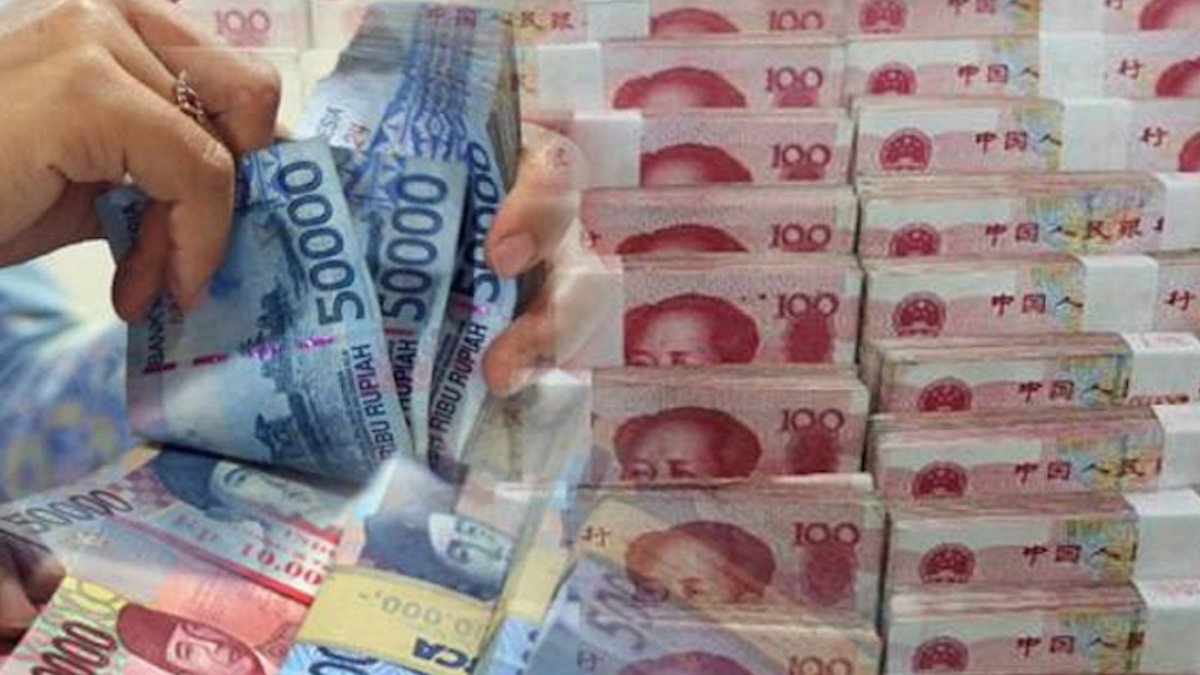
Southeast Asian economies are also exposed. Indonesia, under President Joko Widodo, has seen its rupiah weaken as foreign investors pull capital from emerging markets. Thailand, still recovering from the pandemic, faces a double blow from higher energy costs and reduced tourism from the Middle East. The region's supply chains, already strained by the war in Ukraine, could face further disruption if Iran blocks the Strait of Hormuz, through which a fifth of global oil passes.
China, the world's largest oil importer, is better positioned due to its massive foreign reserves and state-controlled banking system. But even Beijing is not immune. The recent tightening of financial oversight reflects concerns about shadow banking and corporate debt, which could be exacerbated by a prolonged oil shock.
Lessons from History
The 1997 crisis was rooted in excessive foreign borrowing and fixed exchange rates, while 2008 stemmed from complex financial derivatives and regulatory failures. Today's risks are different but no less serious. Asian companies have accumulated record debt during the low-interest-rate era, and a sudden spike in borrowing costs could trigger defaults. Meanwhile, the region's banks are heavily exposed to real estate, which is already cooling in China and South Korea.
“We are not in 1997 or 2008, but we are in a new danger zone,” warned a former deputy governor of the Reserve Bank of India. “The key is whether policymakers act preemptively or wait for a crisis.”
Central banks across Asia have room to cut rates, but they are constrained by the need to defend currencies and contain inflation. The Federal Reserve's tightening cycle adds another layer of pressure, as higher US interest rates attract capital away from emerging markets.
In Tokyo, officials are also watching the yen, which has fallen to multi-year lows against the dollar. A weaker yen boosts exports but raises import costs, particularly for energy. The Bank of Japan has so far resisted raising rates, but the Iran crisis may force a rethink.
Meanwhile, the Tokyo's bid to attract Hong Kong finance firms faces structural hurdles, as the city's financial sector grapples with the broader uncertainty.
Geopolitical Fallout
The Iran crisis also has direct security implications for Asia. The United States has deployed additional naval assets to the Persian Gulf, raising the risk of a broader conflict. For Asian nations that rely on the free flow of oil, any disruption would be catastrophic. Japan and South Korea, both major importers of Iranian oil before sanctions, are particularly vulnerable.
Diplomatic efforts are underway. China has offered to mediate between Iran and the US, while India is exploring alternative energy sources. But the window for a peaceful resolution is narrowing.
“Asia cannot afford another financial crisis,” said a senior analyst at the Institute of Southeast Asian Studies in Singapore. “The ghosts of 1997 and 2008 are a warning, not a prophecy. But if policymakers ignore them, history may repeat itself.”