It's easy to forget that the Nissan Leaf was the world's first mass-market electric vehicle. Japanese automakers have been overshadowed by Tesla's global dominance and BYD's aggressive expansion, but a closer look reveals a quiet resurgence. Over the past year, the industry has introduced more than 20 new or upgraded EV models, and Japanese components are ubiquitous in electric vehicles worldwide.
A Wave of New Models
The latest lineup includes the third-generation Nissan Leaf, along with three other Nissan models and a modified Leaf for Mitsubishi Motors. Toyota has rolled out five models under its own brand and three under Lexus. Subaru has introduced three models, with another on the way. Mazda's joint venture with Changan in China has produced two models, while Suzuki has launched two minicar EVs in Japan and an electric SUV through Maruti Suzuki in India.
This marks a significant step beyond the hybrid vehicles that have long dominated Japanese automakers' new energy vehicle sales. The entire industry, not just Toyota, is now pivoting toward full electrics. With the ongoing conflict in the Middle East threatening oil supplies, this shift is likely to accelerate.
Tokyo Hosts Formula E
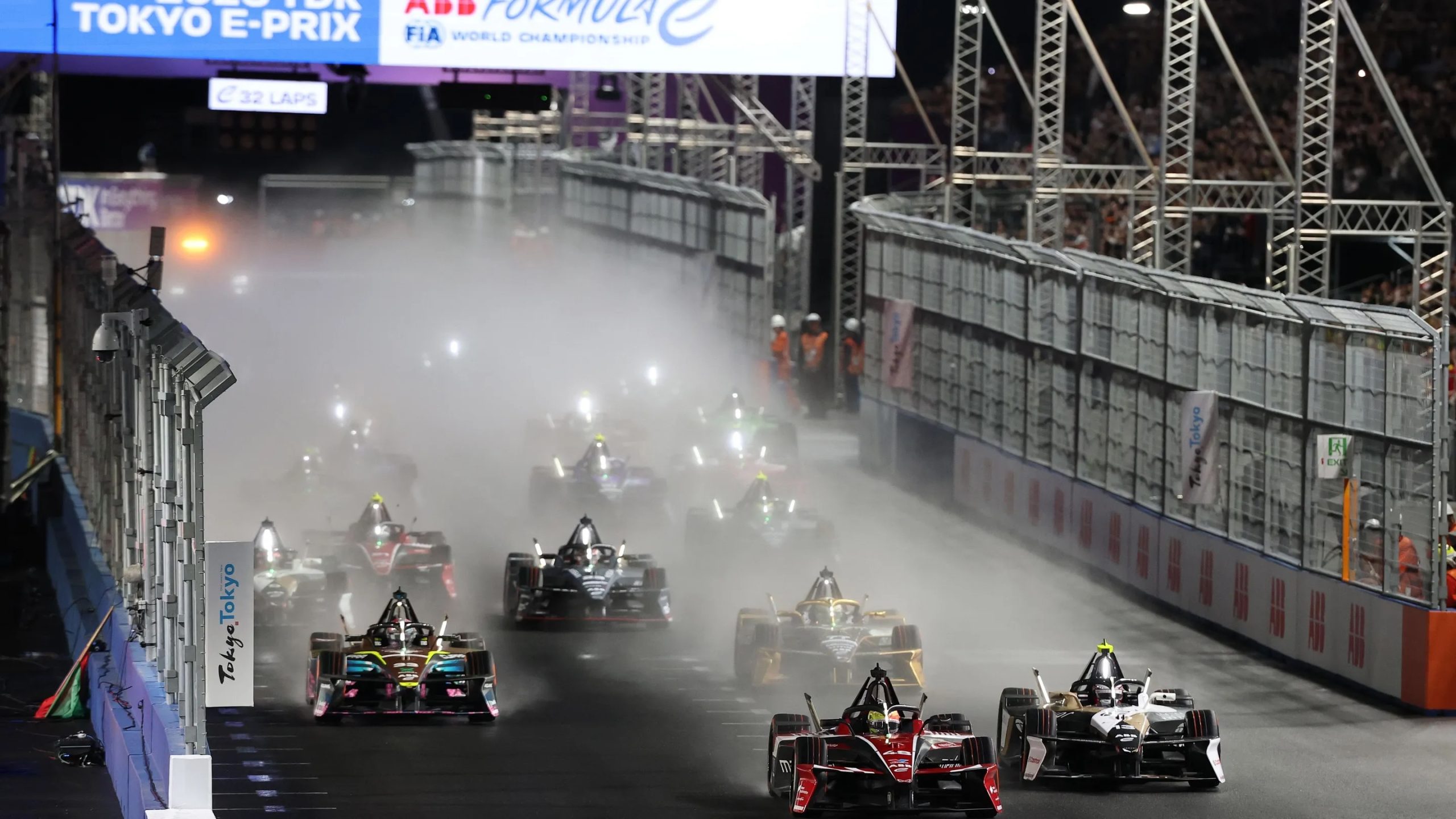
Japan's renewed interest in EVs was on full display in late July, when Tokyo hosted rounds 14 and 15 of the 2025/26 ABB FIA Formula E World Championship. The event, held on a track around the Tokyo Big Sight convention center, was the third time the all-electric racing series has come to the Japanese capital. The Tokyo E-Prix, sponsored by Japanese electronics maker TDK and supported by the Tokyo Metropolitan Government, was held at night to avoid the heat, offering a stunning backdrop of city lights.
Tokyo Governor Yuriko Koike sees the event as a catalyst for zero-emission vehicle adoption and a boost for tourism. The city's climate action plan targets net-zero CO2 emissions by 2050, and Koike has been a vocal advocate for sustainability.
TDK: A Key Player in EV Components
The TDK branding on the track walls was a reminder that electric vehicles are packed with Japanese components. TDK, founded in 1935 to commercialize synthetic ferrite, has evolved into a major supplier of capacitors, inductors, transformers, and sensors for the automotive industry. The company has a significant presence in China, where it supplies EV makers and maintains a long-standing relationship with battery giant CATL. About 55% of TDK's sales come from China, with 32% from the rest of Asia, including Japan.
TDK is among the top passive electronic component suppliers to the auto industry, ranking third behind Murata and Samsung Electro-Mechanics. Chinese manufacturers like Fenghua High-Tech and Faratronic are also gaining ground, benefiting from the rapid growth of China's EV sector.
Racing Results and Global Participation
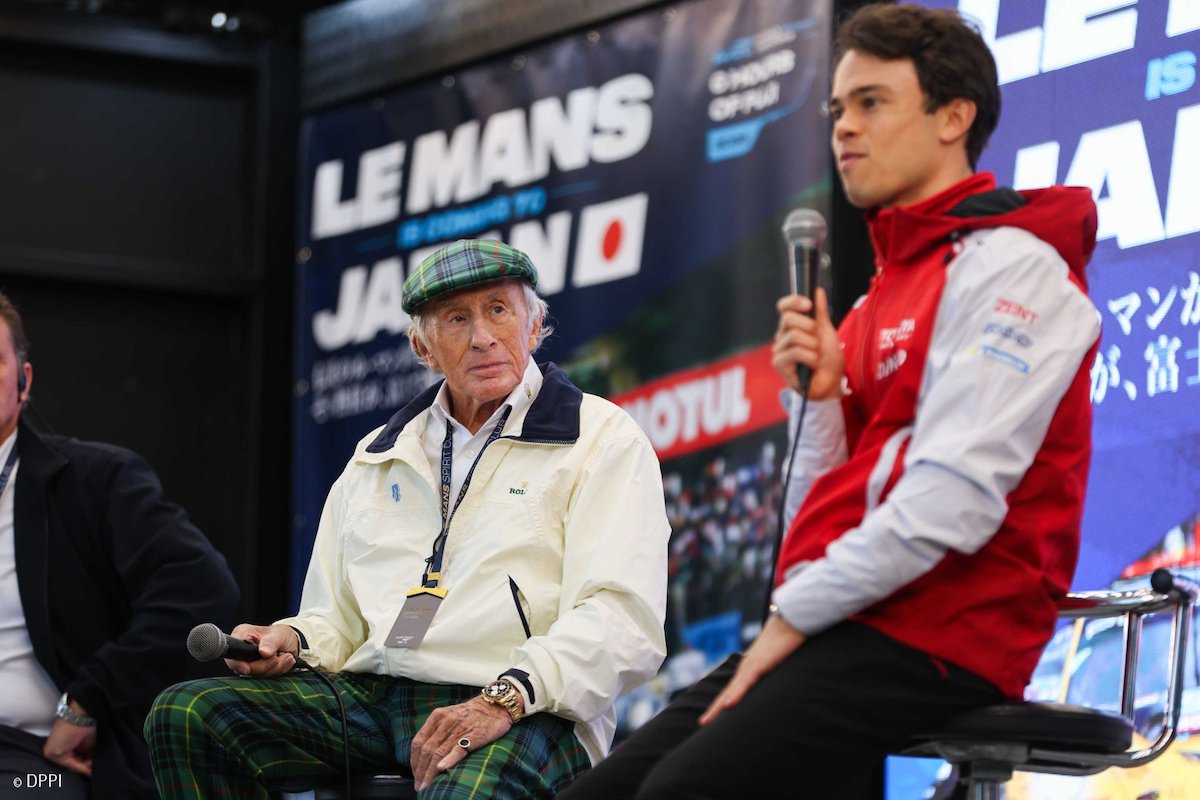
The Tokyo races delivered thrilling finishes. English driver Dan Ticktum won Saturday's round in a Porsche-powered vehicle, taking the lead on the final lap. Dutch driver Nyck de Vries won Sunday's race in a Mahindra. Two Japanese automakers, Nissan and Yamaha Motor, are competing in Formula E. Nissan's drivers are British and French, while Yamaha's partnership with Lola and ABT brings together UK chassis design with Yamaha's electric motor and inverter.
Interestingly, no Chinese automakers are participating in Formula E, possibly because they see little need for motorsport brand enhancement given their commercial success. Tesla also has no motorsports program. The series features drivers from Europe, New Zealand, Brazil, and Barbados, with no American or Chinese drivers on the grid.
Japan's renewed EV push is not just about catching up; it's about leveraging its strengths in components and manufacturing to carve out a new niche. As the world moves toward electric mobility, Japan's automakers and suppliers are positioning themselves for a competitive future. The Tokyo E-Prix was a clear signal that Japan is serious about electric vehicles, both on the road and on the racetrack.