Hydrogen-powered passenger cars have largely been overtaken by battery electric vehicles and hybrids, but the technology is finding a firmer foothold in heavy-duty trucking and motorsport. Toyota, along with European partners, is leading this push, betting that hydrogen can still play a major role in decarbonizing transport.
At the FIA World Endurance Championship's 6 Hours of Fuji race in Japan on September 26-27, Toyota Racing, MissionH24, and the Automobile Club de l'Ouest (ACO) announced that Toyota will supply a hydrogen combustion engine for MissionH24's H24EVO race car prototype. The engine, a 3.5-liter V6 designed for motorsport, will be integrated with the H24EVO's hybrid system, aiming to bring performance closer to Le Mans standards.
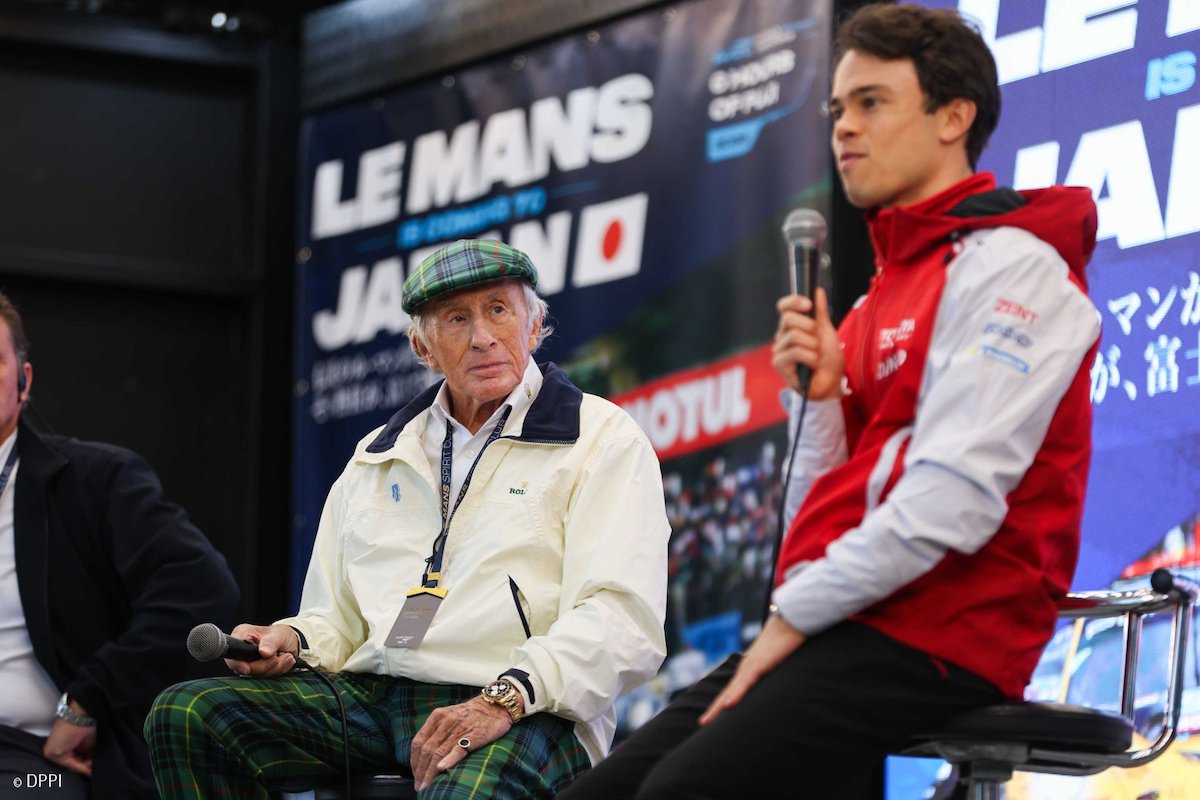
MissionH24, a program created by ACO and H24Project, aims to introduce a hydrogen category at the 24 Hours of Le Mans by 2030, allowing both fuel cell and hydrogen combustion engine prototypes. Bassel Aslan, MissionH24's technical director, told reporters at Fuji Speedway that the new prototype is already taking concrete shape, with work underway on mechanical interfaces, communication architecture, and software. He emphasized the engine's high efficiency, which is crucial for optimizing liquid hydrogen storage and extending range in endurance racing.
Pierre Fillon, president of ACO and co-president of MissionH24, stressed the need to develop alternatives to battery-powered EVs, highlighting the importance of decarbonizing mobility and achieving zero emissions. The European auto industry is under severe pressure from Chinese EV competition, high fuel prices, and weak demand, but motorsport is attracting a growing fan base, including more women, according to Frederic Lequien, CEO of Le Mans Endurance Management. This popularity is generating a strong return on investment for participating automakers.
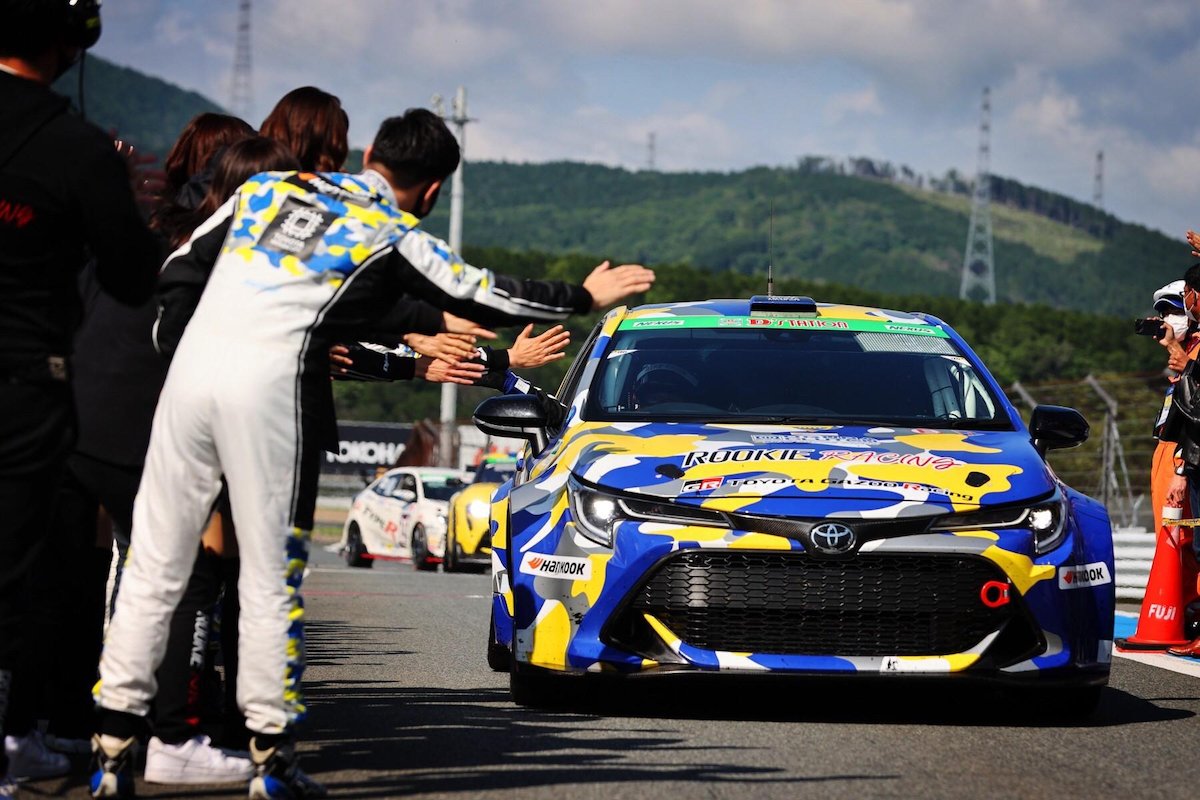
Kazuki Nakajima, Vice Chairman of Toyota Racing, said the expanded partnership with MissionH24—from aerodynamics and cooling to the hydrogen engine—will help develop the infrastructure and supply chain for hydrogen-powered endurance racing. Toyota has been demonstrating hydrogen racing vehicles since 2021, building on fuel cell R&D that dates back to 1992.
Toyota introduced the Mirai, the first mass-produced fuel cell passenger car, in 2014. About 25,000 were sold through 2023, with over half in California, about 30% in Japan, and the rest in Europe. But sales have since plummeted due to inadequate fueling infrastructure and competition from EVs and hybrids. The Mirai's high price—over 8 million yen ($50,000) in Japan—and poor resale value in California have further dampened demand.
Honda's FCX and Hyundai's NEXO have fared no better, with only a few thousand units sold annually. Toyota is collaborating with BMW on hydrogen passenger car technology, but its main focus outside motorsport is now on trucks.
On September 15, Toyota and seven European companies—Volvo Group, Daimler Truck, Bosch, Air Liquide, TotalEnergies, TEAL Mobility, and MB Energy—announced plans to accelerate hydrogen-powered commercial vehicle deployment in Europe. The announcement came at IAA Transportation in Hanover, the world's leading trade fair for commercial vehicles. Supported by Germany's hydrogen truck infrastructure, Volvo and Daimler are rolling out fuel cell and hydrogen combustion trucks, with Toyota as a technology partner. In July, the three companies made Toyota an equal partner in cellcentric, a joint venture developing fuel cell systems for heavy-duty trucks.
Bosch supplies components and refueling technologies, while Air Liquide, TotalEnergies, MB Energy, and TEAL Mobility provide the hydrogen. The goal is to establish a European hydrogen trucking industry competitive with diesel by 2030. A parallel effort is underway in Japan, where Toyota and other firms are exploring similar applications.
While hydrogen passenger cars remain a niche, the technology's future may lie in commercial vehicles and racing, where its advantages—fast refueling and long range—are more compelling. Toyota's dual-track strategy reflects a pragmatic approach to a market that has yet to embrace hydrogen for everyday driving.