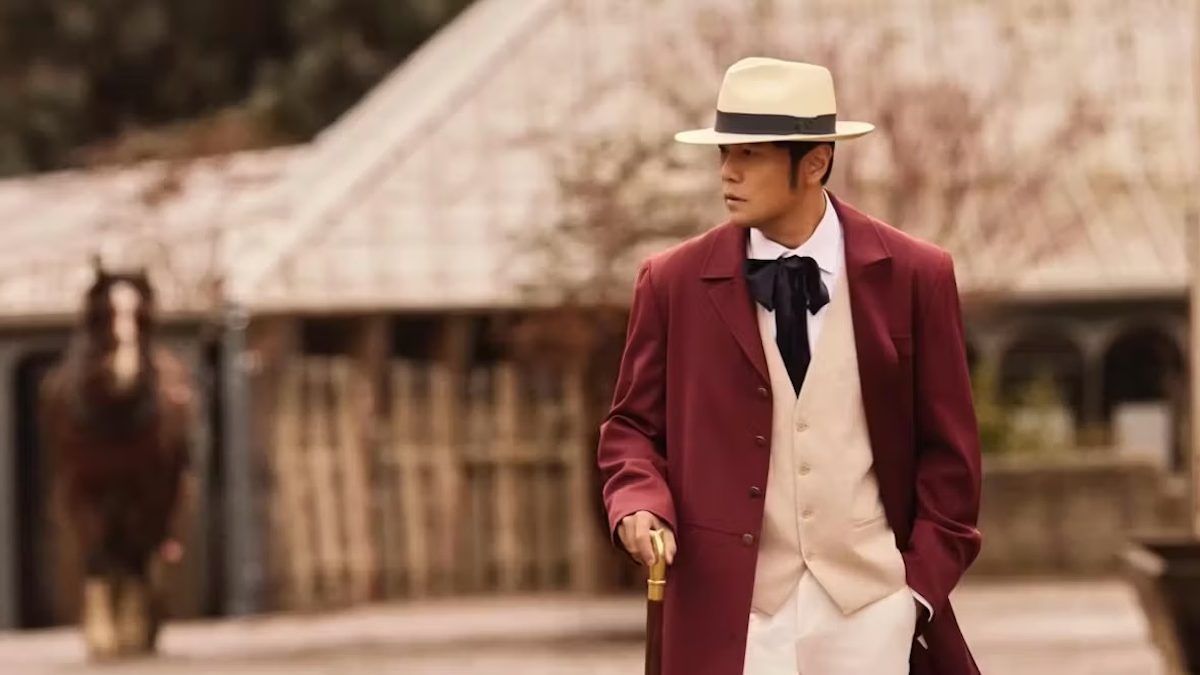
Taiwanese pop icon Jay Chou, known in Mandarin as Zhou Jielun, has turned the spotlight on a lesser-known chapter of Australian history. His latest music video, Gold Rush Town (Tao Jin Xiao Zhen), was filmed at Sovereign Hill, an open-air museum in Ballarat, Victoria, that recreates the gold rush era of the 1850s. With over 9 million views on YouTube, the video introduces a global audience to the Chinese Australian experience during that transformative period.
Chou, whose 25 albums have sold more than 30 million copies, plays a sharply dressed Chinese detective in the video, chasing bank robbers through a frontier town where the main characters are ethnic Chinese. This narrative choice reflects a real historical figure: Detective Fook Shing, who served on the Victorian police force from the 1860s to the 1880s, solving crimes across the colony and as far as Sydney.
Rediscovering Chinese Contributions
Sovereign Hill has long worked to include the history of Chinese migrants in the gold rush narrative. Led by historian Anna Kyi, the museum opened a "Chinese camp" in 2024, highlighting the multi-ethnic nature of the goldfields and the cross-cultural relations that developed. Tens of thousands of Chinese arrived in Victoria in the 1850s, making up 25% of Ballarat's population at the time and possibly a majority in some areas. As late as 1871, 14% of men over 15 in Ballarat were Chinese.
While stereotypes often confined Chinese Australians to roles as miners or market gardeners, many pursued diverse occupations, including police work. Some became wealthy and displayed their success with the same swagger as their European counterparts. Chou's video captures this complexity, showing Chinese Australians as pioneers rather than victims.
Chou has carefully navigated the political tensions between China and Taiwan, maintaining a broad audience that includes both Chinese ultra-nationalists and Taiwanese independence sympathizers. His 2007 quote, "Of course I'm Chinese. I'm also Taiwanese," remains deliberately ambiguous. Gold Rush Town has been widely shared on Chinese-language social media platforms like BiliBili, spawning numerous commentary videos and covers.
Despite local reports suggesting the video could boost Ballarat's tourism, there is little evidence of a surge in visits. Many international Chinese speakers mistakenly believe the video was filmed in Melbourne, 90 minutes away. However, the video's value extends beyond tourism. At a time of rising diplomatic tensions between China and the West, Chou's work highlights a shared Chinese and Australian past and a common humanity.
This cultural moment also resonates with broader shifts in the region. As Japan and Australia deepen defense ties amid China's naval rise, and as global economic institutions reassess state-led growth models, Chou's video offers a reminder of the long-standing human connections that underpin Asia-Australia relations.
Gold Rush Town marks a significant step in Asia-Australia cultural relations, bringing Chinese Australian history into the light in a positive way. It moves beyond simplistic discussions of racism to portray the multifaceted experiences of real people in the 1850s. This is a far cry from the 1983 filming of David Bowie's quasi-racist China Girl in Sydney's Chinatown.