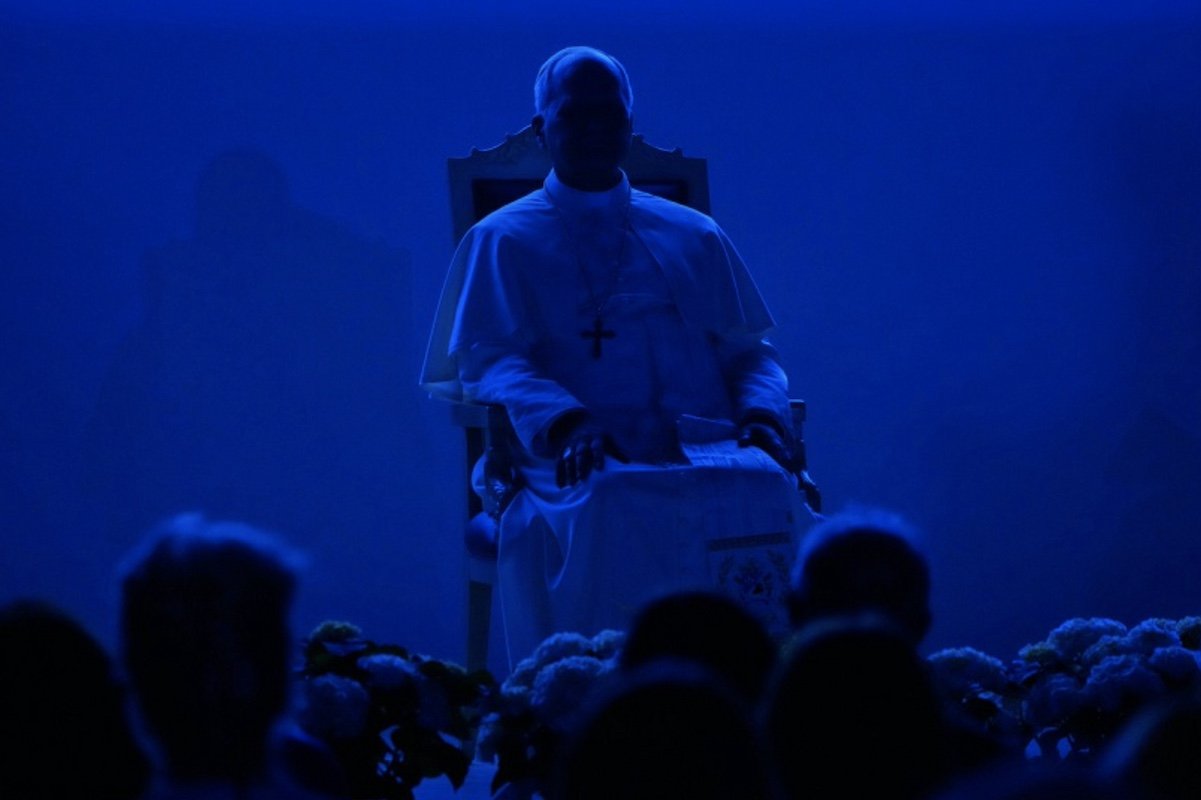
In his first encyclical, Magnificent Humanity (MH), Pope Leo XIV addresses one of the most pressing questions of our time: how to preserve human dignity in an era increasingly shaped by artificial intelligence. The document, released from the Vatican, is not merely a theological treatise but a call to action for nations, international institutions, and individuals—including those across Asia—to collaborate on building a future that respects every person.
Two Visions of Inhabiting the World
The Pope contrasts two ways of inhabiting the world. The first, the "dream of Babel," represents a totalizing project that seeks to erase differences and concentrate power, transcending the boundary between heaven and earth. This vision, he warns, risks being realized through unchecked AI that prioritizes efficiency over humanity. The second vision, drawn from the Book of Nehemiah, describes rebuilding the walls of Jerusalem "brick by brick," symbolizing a collective, inclusive project where everyone participates. For Asia, where countries like Japan and South Korea are deploying AI in logistics and elder care, this metaphor resonates deeply. Japan's care robot ambitions illustrate the tension between technological efficiency and the human touch.
Human Dignity as a Practical Reality
Pope Leo grounds his argument in the Renaissance humanist Pico della Mirandola, who argued that human dignity stems from our indeterminacy—unlike other creatures, humans must define their own nature. This freedom, however, comes with responsibility. Dignity is not a static concept but a reality to be realized in everyday life, from scientific discoveries to neighborly relations and political choices. The Pope emphasizes that hospitality toward the stranger is integral to this dignity, a principle with profound implications for Asia's migrant workers and refugees.
The encyclical traces the cultural birth of human dignity to the School of Salamanca, which applied the concept to affirm the humanity of indigenous peoples in the Americas, laying the groundwork for international law. This legacy culminated in the Universal Declaration of Human Rights (1948) and Germany's Basic Law (1949), which enshrined dignity as inviolable. For Asia, where countries like India and Indonesia have diverse legal traditions, this history offers a framework for integrating human rights into digital governance.
Implications for the Catholic Church and Asia
Pope Leo builds on Pope Francis's shift from individual morality to social ethics, arguing that the Church's public presence must reflect the Gospel's social dimensions. This paradigm shift challenges Catholic politicians in Asia—such as those in the Philippines or South Korea—to prioritize the common good over partisan interests. The Pope's distance from the U.S. bishops' stance on President Biden signals a broader reorientation: the Church should engage constructively with states rather than merely opposing legislation.
For Asia, where AI is rapidly transforming economies and societies, Magnificent Humanity offers a timely critique. Countries like China are investing heavily in humanoid robots for aging populations, as seen in China's humanoid robots finding real work. Meanwhile, Southeast Asian nations grapple with the ethical implications of AI in surveillance and labor. The encyclical calls for a "new modernity" where technology serves human dignity, not the other way around.
As Asia's tech hubs—from Bangalore to Shenzhen—push the boundaries of AI, Pope Leo's message is clear: the dream of Babel must give way to the brick-by-brick construction of a humane world. This requires not only ethical guidelines but also a renewed commitment to the common good, rooted in the recognition that every person, regardless of nationality or creed, possesses inherent dignity.