For decades, the London Metal Exchange (LME) has been the undisputed arbiter of global metal pricing, a role built on the industrial dominance of Europe and North America. But the geography of production is changing, and the LME must adapt. The exchange should approve the application from China's Tsingshan Holding Group to register aluminum produced at its Hua Chin joint venture in Sulawesi, Indonesia — not as a favor to Jakarta or Beijing, but because the old order is no longer tenable.
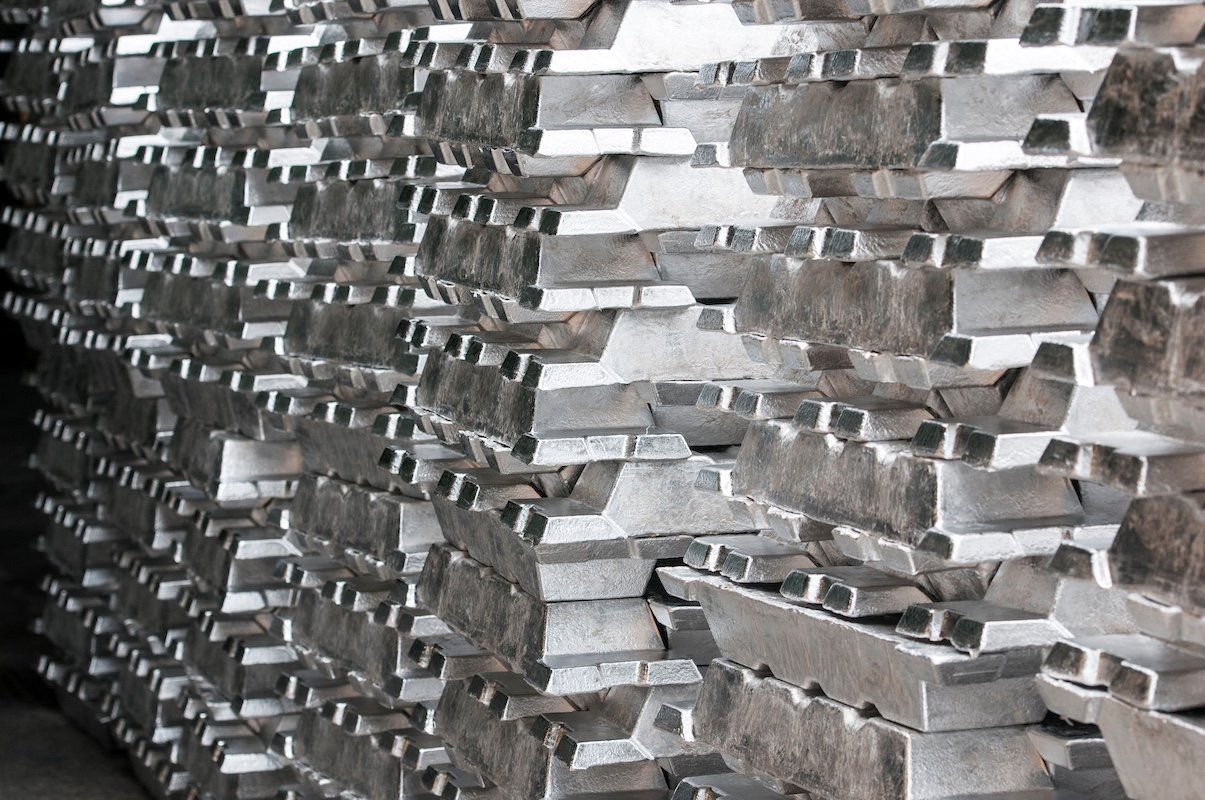
Tsingshan's smelter, developed with China's Huafon Group, has applied to make its aluminum eligible for delivery against LME contracts. If approved, it would become only the second Indonesian brand on the exchange, after state-owned Inalum. The second expansion phase alone adds 480,000 metric tons of annual capacity. LME eligibility is more than a technicality; it grants access to financing, broadens buyer pools, and integrates the metal into the benchmark pricing that shapes global trade.
Indonesia's Industrial Strategy Pays Off
Indonesia's transformation from raw-material exporter to refining hub has been deliberate and controversial. Jakarta's policies — export bans on nickel ore, downstream processing requirements, and aggressive courting of Chinese investment — were dismissed as resource nationalism in Western capitals. Yet the strategy worked. Nickel processing boomed, and aluminum is now following the same playbook. The country is leveraging foreign capital to build domestic industrial capacity on its own terms, not as a mere offshore extension of Chinese industry.
The timing is critical. Global aluminum markets face structural stress: Middle East conflicts disrupt supply from Gulf producers, while China, which produces roughly 60% of the world's aluminum, is nearing its official production ceiling. This combination has sent prices higher and triggered a search for new, reliable sources. Indonesia is emerging as an obvious answer. Reuters data shows Indonesian aluminum exports hit a two-year high this spring, and new smelting capacity continues to come online across the archipelago. Industry analysts at Fastmarkets now view Indonesia as one of the fastest-growing aluminum hubs globally.
Tsingshan is reportedly exploring another $3 billion aluminum complex in North Maluku with potential annual capacity of 800,000 tons. This is not speculative; it is the construction of a new industrial geography. Critics warn that greater Indonesian participation on the LME could deepen China's influence over metals trading. But that misreads the situation. Indonesia is not a passive partner; it is setting terms that prioritize domestic industrialization over raw resource extraction.
There is an uncomfortable double standard in Western criticism. Wealthy nations industrialized through state intervention, subsidies, and tariff protections. When developing economies like Indonesia pursue similar strategies, they are accused of market distortion. Jakarta has rejected the role of permanent mine to the world's factories, and rightly so.
None of this means concerns should be ignored. Indonesia's aluminum expansion still relies heavily on coal-fired power, and environmental transparency remains uneven. The LME's evolving sustainability framework will rightly scrutinize emissions and traceability. But refusing to integrate Indonesian supply will not improve sustainability; it will simply push a growing share of global metal trade outside traditional institutions. The LME must recognize that the center of gravity in metals has shifted, and its relevance depends on reflecting that reality.
For more on Indonesia's economic challenges, see our analysis of Indonesia's Debt Wall Tests an Economy Running on Borrowed Time and the Rupiah Rout Revives Specter of 1997 Crisis for Indonesia. The country's industrial ambitions also intersect with environmental questions, as explored in Japan's Ammonia Co-Firing Plan Risks Prolonging Indonesia's Coal Dependence.