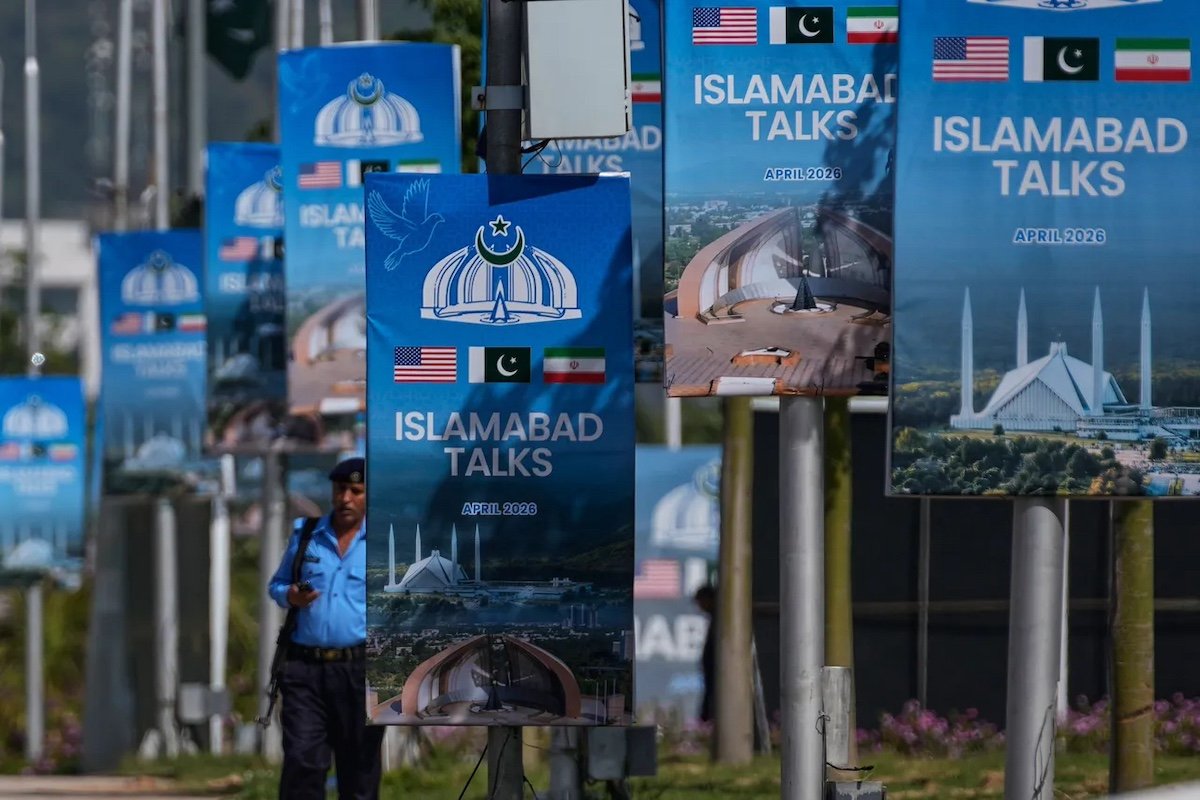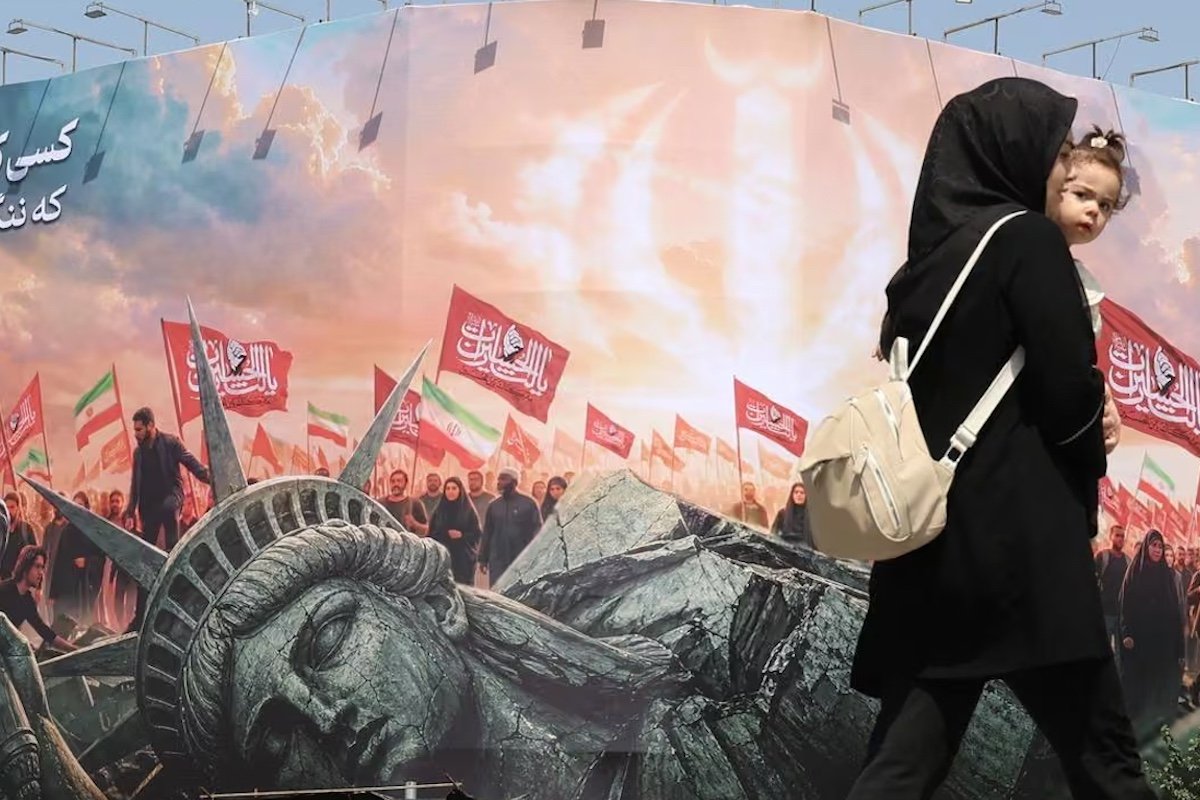
Eight months into the conflict with Iran, Washington has neither broken Tehran's resolve nor charted a clear exit. President Donald Trump's own remarks suggest a shrinking set of options. In a recent interview with Time, he admitted he does not believe peace with Iran is ever possible—a striking concession from the leader still expected to negotiate one.
Tehran has set conditions it knows this administration cannot meet: sanctions and threats must be lifted before talks resume, and not a single gram of enriched uranium leaves the country. Neither side is bargaining toward a settlement. Each is waiting for the political ground beneath the other to shift.
Trump's problem is that the ground is shifting under him first. With the November 3 midterms approaching, his approval rating hovers near 39%, and crude oil trades above US$110 a barrel. The House of Representatives has voted three times to restrict his war powers in Iran, and Republican candidates in competitive seats now campaign openly on ending the war to lower petrol prices.
Facing a likely defeat, the president has promised no strikes before polling day, while Central Command has reportedly been told to prepare for resuming major combat operations. Analysts note that a Republican defeat could strengthen his incentive to escalate, as a president with little left to lose at the ballot box faces fewer costs for action. Yet a Politico survey found that 46% of voters said ending the war before the election would not change their vote at all.
Regional hedging accelerates
Iran has fortified its nuclear sites and warned that regional energy infrastructure would be targeted, so any parting blow risks sending oil prices even higher. Trump's inner circle appears to have read the same numbers and is quietly positioning for the aftermath. Vice President JD Vance, reportedly skeptical from the outset, has kept his distance and declined to endorse Benjamin Netanyahu ahead of Israel's election. Secretary of State Marco Rubio, his chief rival for 2028, spent the same week in India on a trip devoted largely to trade rather than Iran.
Defense Secretary Pete Hegseth, by contrast, made an unannounced visit to Israel a day after Trump endorsed Netanyahu, keeping himself firmly in the frame. Commentators suggested as early as April that Hegseth was being set up as the fall guy should the war end badly. His visibility since has only reinforced that impression.
The Gulf states have reached the same conclusion. They are hedging accordingly against an American policy they no longer trust to last. The UAE joined the campaign against Iran in February, yet recently opened a back channel with Tehran after realizing it is better to deal directly than rely on the US. Abu Dhabi, having absorbed thousands of Iranian missiles and drones, appears to be securing its own understandings before Washington's next round begins.
Yemen shows how the burden is being shifted. The United States has twice rebuffed Saudi requests for airstrikes against the Houthis and says it will not take kinetic action for now. Instead, the UAE has reportedly agreed to resume funding anti-Houthi forces in southern Yemen—an arrangement that lets Washington stay out while a partner carries the fight on its behalf.
Iran's strategy rests on patience. Its leaders appear confident they can absorb another year or so of American pressure before the political weather in Washington changes. Houthi strikes have killed at least 19 people at Saudi airports, and the Wall Street Journal has reported Revolutionary Guard officers helping to direct them. Yet within days of the deadliest attack, Iranian Foreign Minister Abbas Araghchi called Riyadh to offer mediation with the Houthis and insist the crisis had no military solution.
The aim is not to destroy Saudi infrastructure but to convince the kingdom that American protection is unreliable and that any opening to Israel will carry a heavy price. Riyadh has begun to absorb that lesson, but the pressure is unlikely to ease while Trump remains in office and Tehran sees no reason to settle.
The real question is how Israel reacts, both during the remainder of Netanyahu's tenure and after it. Trump has endorsed Netanyahu so he can help “finish the job” against Iran, and Israel has reportedly asked that any renewed strikes wait until after its October 27 vote. Polls give Netanyahu's coalition fewer than 50 of the 61 seats needed to govern, raising the prospect of a weakened caretaker with every reason to keep the Iran file burning.
A successor led by Gadi Eisenkot would hardly soften Israel's line on the Iranian nuclear program, but it might be less willing to tie national strategy to the American president's fortunes. Should Israel strike alone after an American exit, Gulf hedging would only accelerate and normalization efforts would stall. For now, the region is already waiting out Trump's presidency, preparing for a landscape where Washington's word carries less weight than it once did.