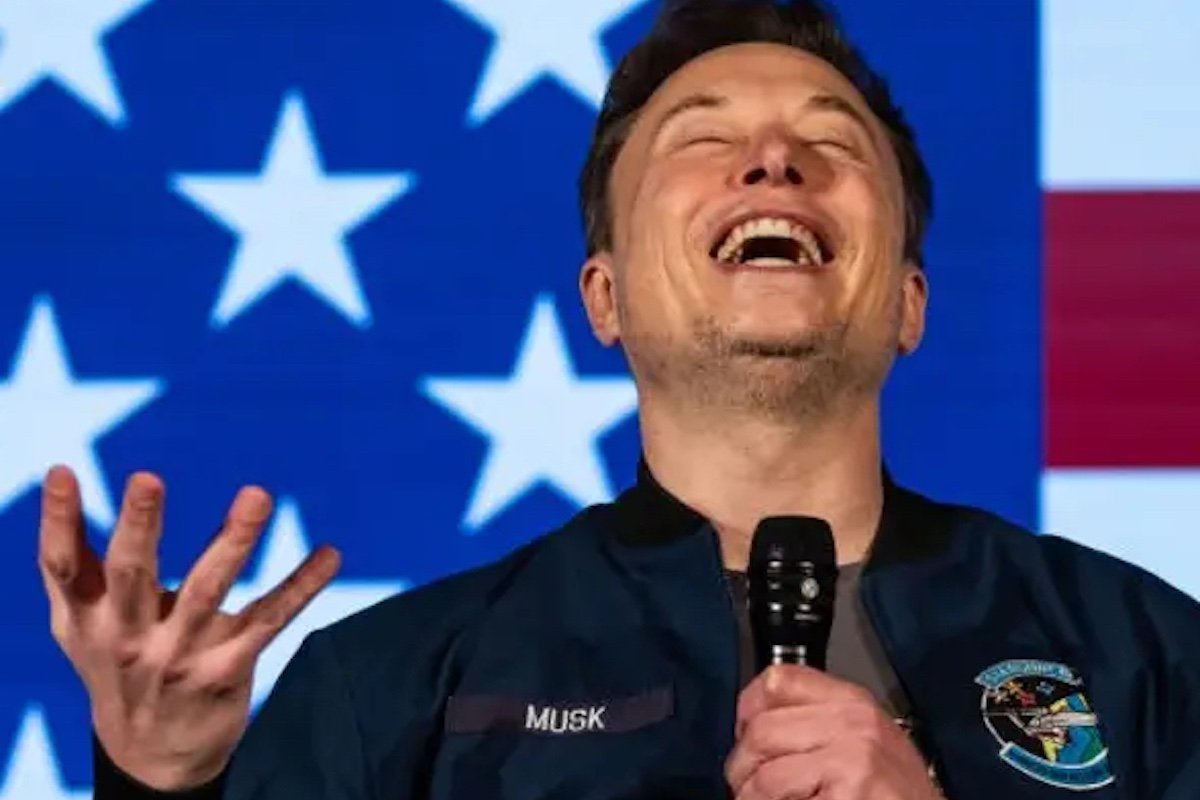
In a recent episode of the Bulwark podcast, journalist Ron Brownstein framed the upcoming US midterm elections as a clash between "the wave and the wall." The wave represents voter anger and President Donald Trump's declining approval ratings; the wall consists of structural barriers like gerrymandering and the Republican Party's overwhelming financial advantage. That wall, it turns out, is largely built by one man: Elon Musk.
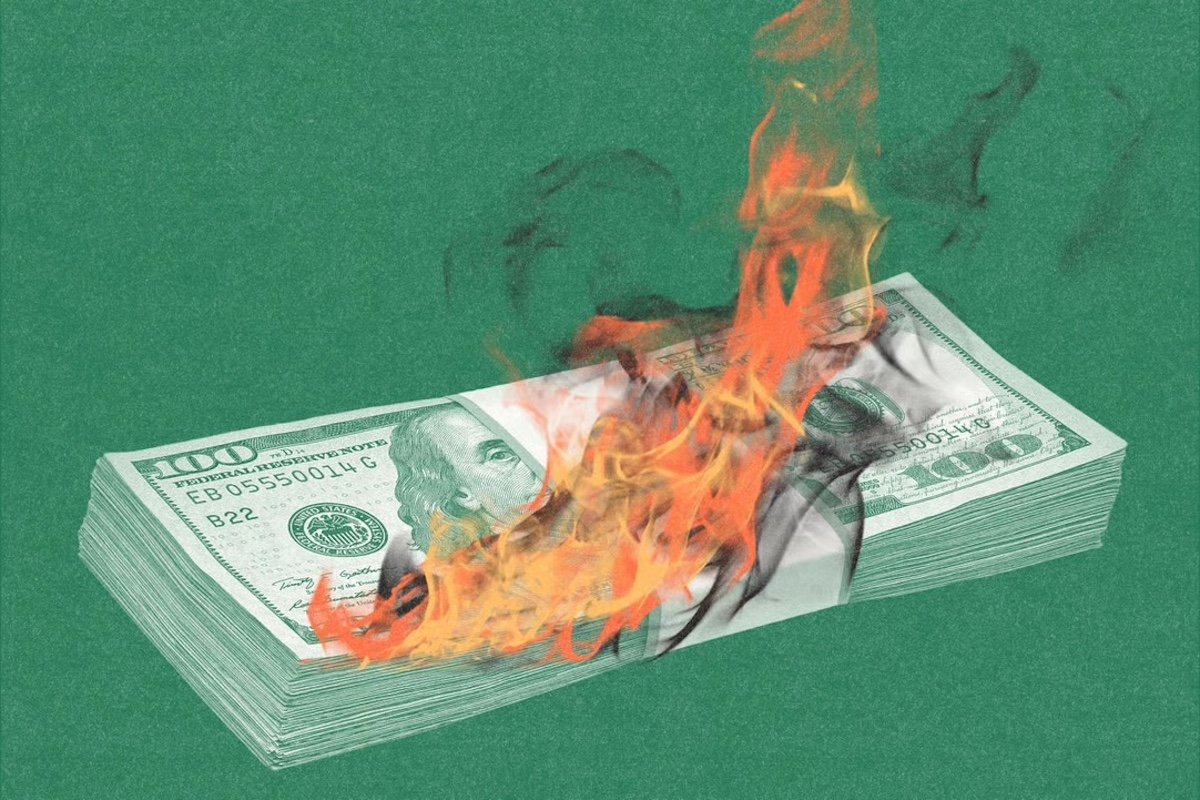
Musk has contributed at least US$366 million to Republican causes since the last election cycle. As The New York Times noted, this means that when we discuss the GOP's substantial outside spending edge over Democrats, we are essentially talking about Musk's personal checkbook. Such a sum would have been illegal not long ago, but a permissive Supreme Court and a paralyzed Federal Election Commission have opened the floodgates.
This is not just a record; it is a seismic shift in American politics. Musk's spending is the largest by any individual in a single campaign cycle in US history. While billionaires like Michael Bloomberg and Tom Steyer spent more in 2020, they were funding their own doomed presidential bids. This time, the money is aimed at securing Republican control of Congress, creating an imbalance not seen in at least half a century—likely since the Watergate-era election of 1972.
The cost of unchecked cash
The sheer volume of money produces absurdities: expensive TV ads for a Texas Senate race airing during football games, or commercials boosting Senator Susan Collins of Maine that ran in Portland, Oregon, rather than Portland, Maine. At this late stage, more ads may have little effect, but Musk's contributions are also funding Republican get-out-the-vote operations, which could tip key states.
Chief Justice John Roberts and his colleagues have declared such spending to be protected free speech, arguing that campaign contributions are "the whole point" of the First Amendment. But this interpretation ignores the corrupting influence of money in politics. Musk is not just a wealthy individual; he is a major federal contractor. According to The Washington Post, Musk and his businesses have received at least $38 billion in government contracts, loans, subsidies, and tax credits, often at critical moments.
His investments in artificial intelligence, including the Grok platform, come as Washington finally debates AI regulation. And Defense Secretary Pete Hegseth has just appointed Musk, along with fellow billionaire and former House Speaker Newt Gingrich, to lead Project Meridian, a initiative to reshape military technology. The conflict of interest is glaring.
Such a blatant attempt to buy an election should be a scandal. But as is often the case, the scandal is not what is illegal—it is what is legal. The Supreme Court's Citizens United ruling and subsequent decisions have deregulated campaign finance, while the FEC lacks even a quorum to act. Operatives no longer need to pretend these funds are "independent." Musk's spending is public, but at least $1.3 billion this cycle is dark money from undisclosed donors. Candidates know who they are; voters do not.
Reform must follow this election. The Brennan Center for Justice has proposed "Nine Solutions for Political Corruption," including a strengthened ban on campaign gifts from federal contractors. Current statutes are riddled with loopholes. As my colleague Eric Petry explains in Just Security, an expanded ban should cover major shareholders, parent companies, and affiliated entities, and extend to inaugural funds, presidential libraries, and vanity projects like Trump's White House ballroom. Taxpayer money should go to the best contractors, not the best-connected ones.
The Watergate scandal led to landmark reforms, including contribution caps and public financing of presidential campaigns. That change came from lawmakers in both parties, many newly elected, responding to voter outrage. This year, we have watched efforts to undermine the ballot itself. Perhaps the lesson is: why steal an election when you can buy it?
Michael Waldman is president of the Brennan Center for Justice at NYU School of Law.