The International Court of Justice (ICJ) delivered a landmark ruling on November 19, finding that Myanmar committed genocide against its Rohingya Muslim minority during the violent crackdown in 2017. The decision, the first time a state has been held responsible for genocide, places China in an uncomfortable position as Myanmar's most powerful ally and economic partner.
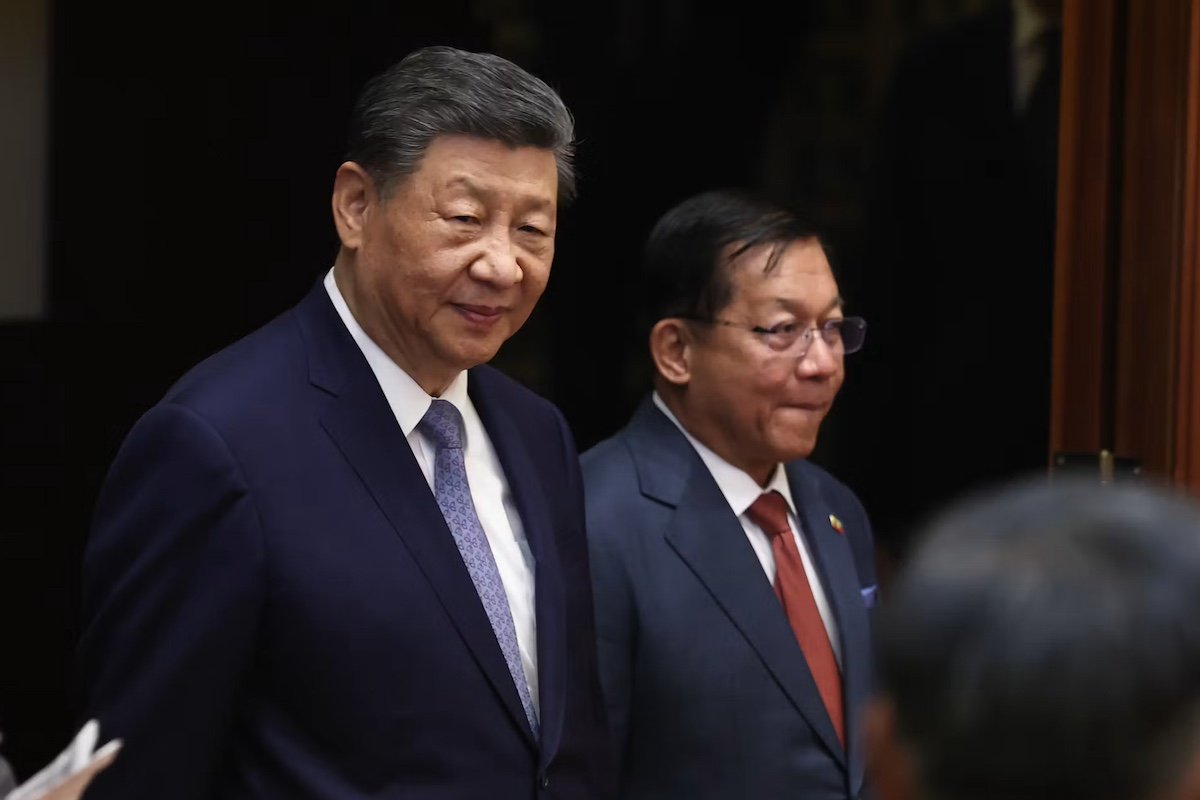
Beijing has long cultivated a close relationship with Naypyidaw, rooted in shared strategic interests and substantial investments. Chinese pipelines carrying oil and gas from the Bay of Bengal to Yunnan run through Rakhine State, the region where the atrocities occurred. Since the military coup in 2021, China has maintained diplomatic engagement with the junta, and Myanmar's leader, Min Aung Hlaing, visited Beijing in 2026 to pledge deeper cooperation on security and politics.
The ICJ's ruling does not compel China to sever ties with Myanmar, as its binding force applies only to the parties in the case. But it fundamentally alters the legal and moral landscape. Beijing now faces a stark dilemma: how far can it defend a partner accused of genocide while maintaining its credibility as a proponent of international law?
China's balancing act
In its official response, China acknowledged the role of international judicial institutions but expressed concern that the ICJ had overstepped its jurisdiction. Foreign ministry spokesperson Guo Jiakun warned that the ruling was "not conducive to the settlement of disputes," echoing Beijing's long-standing principle of non-interference in other states' internal affairs.
That principle, enshrined in international law, protects state sovereignty. Yet the Genocide Convention, to which China is a party, obligates states to prevent and punish genocide. The ICJ's judgment makes it harder for Beijing to hide behind sovereignty when its partner has been found guilty of such a crime.
China could pressure Myanmar's military to investigate and prosecute those responsible, but such pressure would likely strain cooperation on border security and investment. Myanmar has already rejected the ruling as "unfair," signaling its defiance.
Enforcement and the UN Security Council
The Gambia, which brought the case in 2019, can seek action from the UN Security Council if Myanmar fails to comply. As a permanent member with veto power, China has previously shielded Myanmar from international criticism—it joined Russia in vetoing a 2007 resolution condemning Myanmar's human rights record. A similar veto now would deepen divisions between Beijing and the 14 countries, including the UK and Canada, that have called for full compliance.
But even if China blocks enforcement, Myanmar's legal obligations remain. The ICJ ordered Myanmar to halt ongoing violations, prevent future ones, prosecute perpetrators, and allow the safe return of displaced Rohingya. The UN Refugee Agency reports that over 1.3 million Rohingya remain displaced, most in Bangladesh, with more than 200,000 internally displaced in Rakhine.
Beijing has pledged to play "a constructive role" in facilitating refugee returns, suggesting it may offer mediation. However, safe return requires cooperation not just from the military but also from the Arakan Army, an ethnic armed group that controls much of the territory in Rakhine. Intense fighting between the military and the Arakan Army continues, and even if refugees return, the court's demands for investigations and compensation remain unmet.
China's influence over Myanmar is considerable. How it chooses to wield that influence in the wake of the ICJ ruling will reveal whether Beijing is willing to prioritize accountability over strategic interests when a partner is found guilty of genocide. The world is watching.