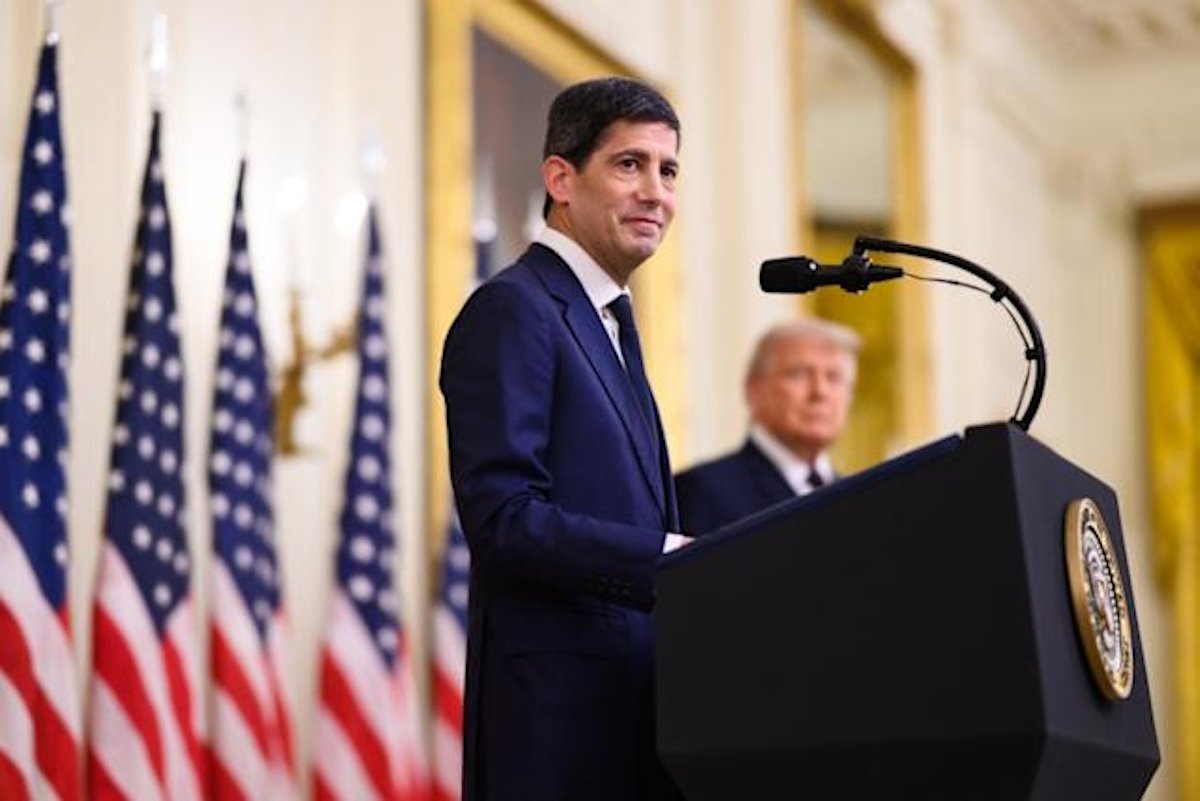
The Federal Reserve has a new leader. Kevin Warsh, appointed by President Donald Trump to replace Jerome Powell, was confirmed by the Senate on May 13. He will chair his first Federal Open Market Committee meeting on June 16-17. Warsh wants to steer the central bank toward lower interest rates, but he faces a tough road ahead.
Farmers and business borrowers are eager for rate cuts, which Warsh supports. However, the FOMC has held rates steady at 3.5% to 3.75% for three consecutive meetings. Recent data shows a strong labor market and inflation above 4%, leading markets to bet the next move will be a rate hike, not a cut.
Inflation Persists, Complicating Warsh's Plans
Inflation has exceeded the Fed's 2% target for five years. After several rate cuts starting in September 2024, inflation reversed course. The consumer price index rose 3.8% in April and 4.2% in May. FOMC meeting minutes from April noted that a majority of participants saw the need for policy firming if inflation remains persistently above 2%.
Warsh will struggle to persuade the other 11 FOMC members to vote for lower rates, especially while the Strait of Hormuz remains closed and inflation stays high. Some committee members worry that consumers are beginning to expect higher inflation, which could become self-fulfilling as workers demand bigger raises and employers raise prices.
Warsh believes artificial intelligence will boost American productivity and ease inflation. Critics argue that the billions invested in AI are currently heating the economy and keeping unemployment low, undermining the case for rate cuts.
Warsh also favors a different inflation measure. Instead of the core inflation gauge that excludes volatile food and energy prices, he prefers "trimmed" measures that discard the biggest price movers both up and down. The Dallas Fed's trimmed Personal Consumption Expenditures index shows inflation at 2.3%, close to the Fed's target, compared to the standard PCE reading of 3.8%. Many economists are skeptical, viewing this as politically convenient. Warsh may not convince his colleagues to switch, but he could push them to consider alternatives to the PCE and CPI, which might eventually support lower rates.
Time could be on Warsh's side. Top administration officials believe energy prices will soon fall, lowering inflation and enabling rate cuts later this year. However, that optimism may be misplaced, especially given the ongoing Strait of Hormuz crisis that threatens global oil supplies.
Warsh wants a "quieter" Fed, with fewer speeches, no forward guidance, and an end to the dot plot of economic forecasts. Wall Street, which favored his appointment, may find this unsettling. Less communication means more guesswork, potentially increasing volatility in financial markets.