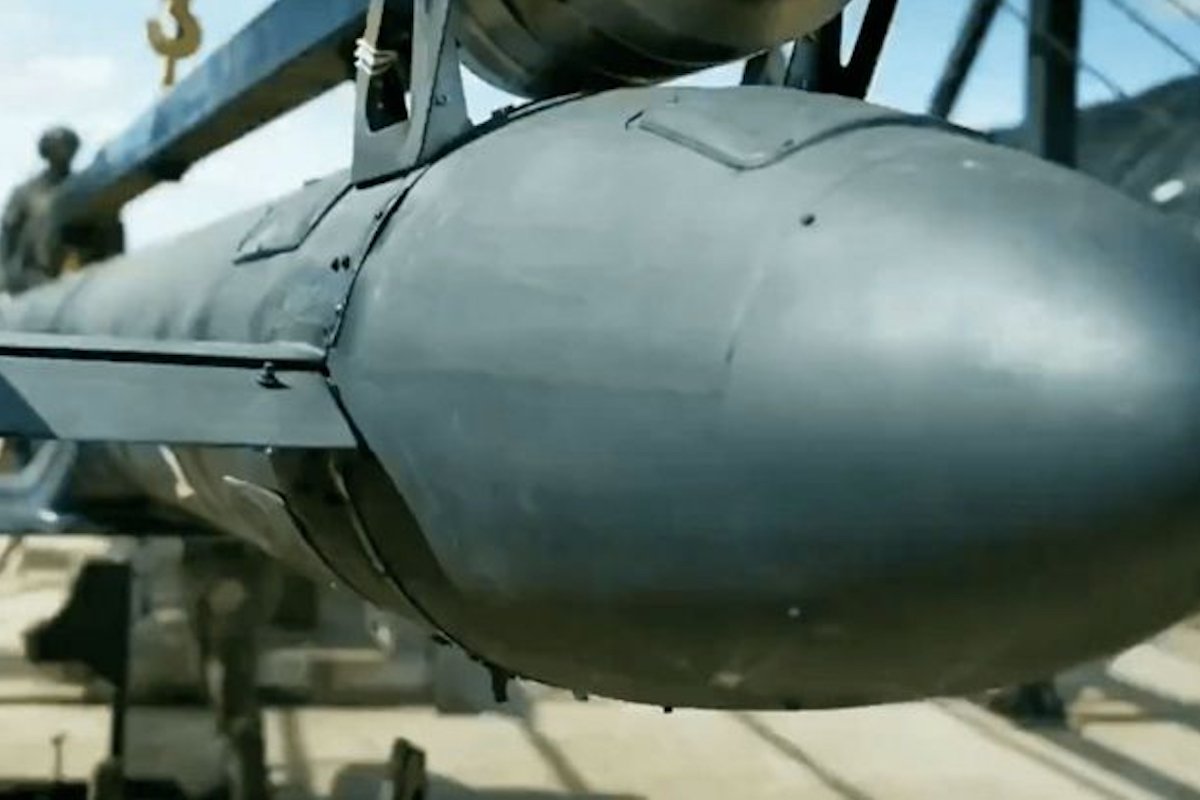
Deep inside the Russian republic of Tatarstan, at the Alabuga Special Economic Zone, a sprawling drone factory operates around the clock. The facility, which spans over 2.8 million square meters, produces the Geran series of one-way attack drones—Geran 1, 2, 3, and the latest Geran 5. What makes this site particularly notable is its workforce: according to independent estimates, between 12,000 and 25,000 of the nearly 40,000 employees are North Korean nationals, many of them women.
These workers are sent to Russia on student visas, a loophole that circumvents UN sanctions prohibiting the transfer of North Korean laborers abroad. The sanctions do not apply to students, and Moscow has reportedly laundered the visa process. While North Korea sends more workers to China, Beijing has kept them away from defense-related industries and maintains heavy surveillance on North Korean IT workers. In one publicized case, China arrested a North Korean IT worker on espionage charges.
The Alabuga factory began in 2023 by assembling knock-down kits imported from Iran. It has since evolved into a full manufacturing hub, producing airframes, engines, and internal electronics locally. The plant now churns out thousands of long-range attack drones monthly, with some estimates suggesting a capacity of 5,500 units per month.
The Geran 5 threat
The Geran 2 has been a staple of Russia's arsenal in Ukraine, used in mixed-swarm attacks. But the newer Geran 5 is a different beast. It uses a turbojet engine, travels at 600 kilometers per hour, and carries a 90-kilogram warhead—nearly double that of the Geran 2. Its speed makes it immune to slower Ukrainian interceptor drones, and its semi-autonomous guidance means expensive air defense missiles like Patriot interceptors are required to bring it down. The engine is reportedly China's TeleflyTF-TJ2000A.
In March, a Geran 2 was shot down by the UAE, revealing that Russia had been secretly supplying these drones to Iran. This has fueled speculation that Moscow might transfer Geran 5 technology to Pyongyang, a move that could dramatically alter the balance of power on the Korean peninsula.
Russian military blog Rybar outlines the potential threat: US bases in South Korea and Japan, including Camp Humphreys, Osan, Kunsan, and Sasebo, would be within striking range. The blog also notes that the world's largest cluster of Samsung factories lies just 100 kilometers from the demilitarized zone. A strike on these facilities would not only hurt South Korea's economy but also disrupt the global technology supply chain. Rybar further warns that Pyongyang could target oil refineries, power plants, and major ports, such as Nagoya in Japan, which handles one of the world's largest cargo flows.
For South Korea, the prospect of Geran 5 drones in North Korean hands is a direct security challenge. Seoul has been rethinking its reliance on the US alliance, and such a development would test that relationship. The US and NATO would need to develop cost-effective countermeasures, but so far, none have been announced.
Iran, too, could benefit from any technology transfer. Given the prior two-way flow of Geran and Shahed drones between Russia and Iran, Tehran could produce its own Geran 5s, posing a threat to US forces and allies across the Middle East.
The presence of North Korean workers at Alabuga is not just about labor. As one analyst noted, "North Korean workers do more than solder parts together. Among them are well-trained spies." This raises the possibility that Pyongyang is already acquiring technical knowledge, even if formal technology transfer agreements are not yet in place.
Russia's reliance on foreign labor stems from a severe workforce shortage, exacerbated by the Ukraine war. Estimates from the Carnegie Endowment suggest a shortfall of 1.5 to 2.6 million workers, with unemployment at historic lows. The war has drained the workforce through conscription, casualties, and emigration.
For now, it remains unclear whether Russia will sell drones to North Korea or share production technology. But the implications are clear: if Geran 5s appear in North Korea, the security landscape of Northeast Asia will shift, and the region's demographic and economic vulnerabilities could be exploited.