Domestic Backlash Over Potential Resource Partnership
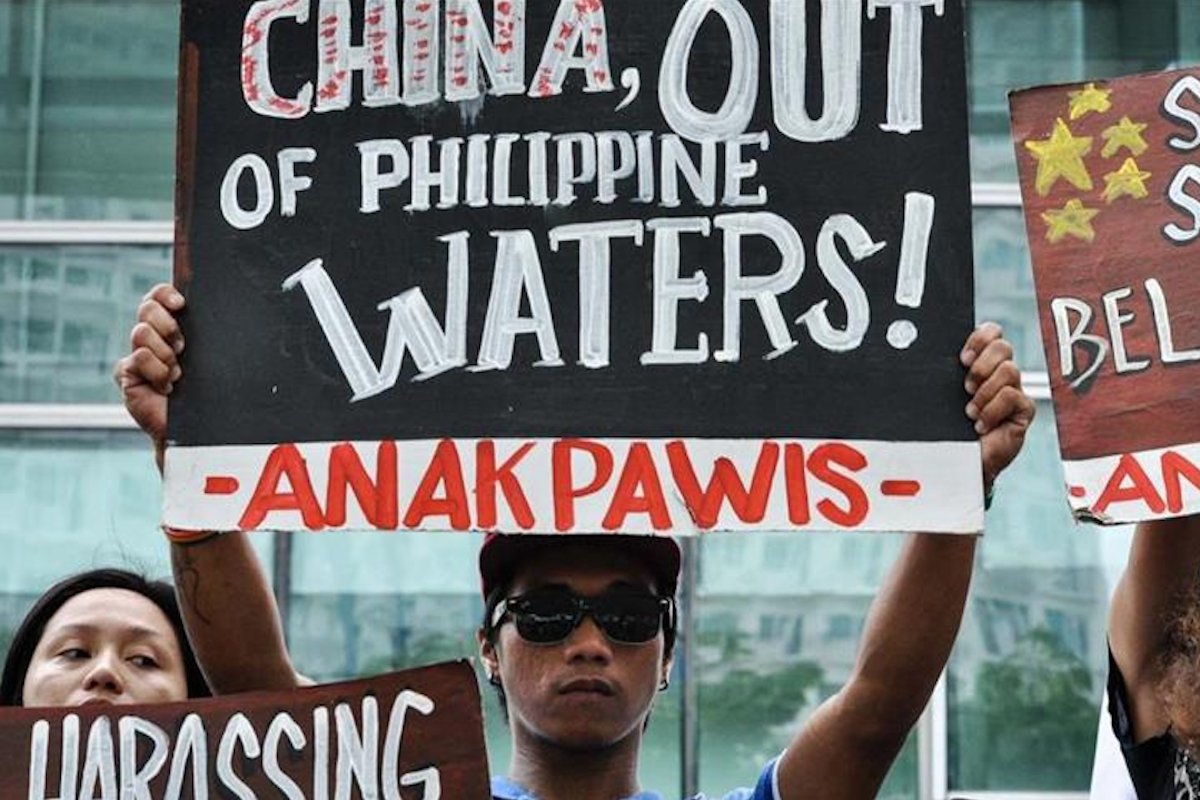
Political figures and strategic analysts in Manila are raising significant objections to the prospect of the Philippines entering into an oil exploration agreement with China in the contested South China Sea. Critics contend that pursuing such a deal, while China continues to assert its expansive claims through maritime pressure, would effectively reward aggressive behavior and weaken the Philippines' legal position.
The controversy emerged following the 11th Bilateral Consultation Mechanism on the South China Sea held last month, where both nations acknowledged the importance of energy cooperation. This diplomatic exchange occurred against a backdrop of global supply constraints exacerbated by Middle East conflicts, which prompted President Ferdinand Marcos Jr. to declare a national energy emergency. The Philippines faces acute pressure to secure alternative fuel sources as buffer stocks decline and consumer prices rise.
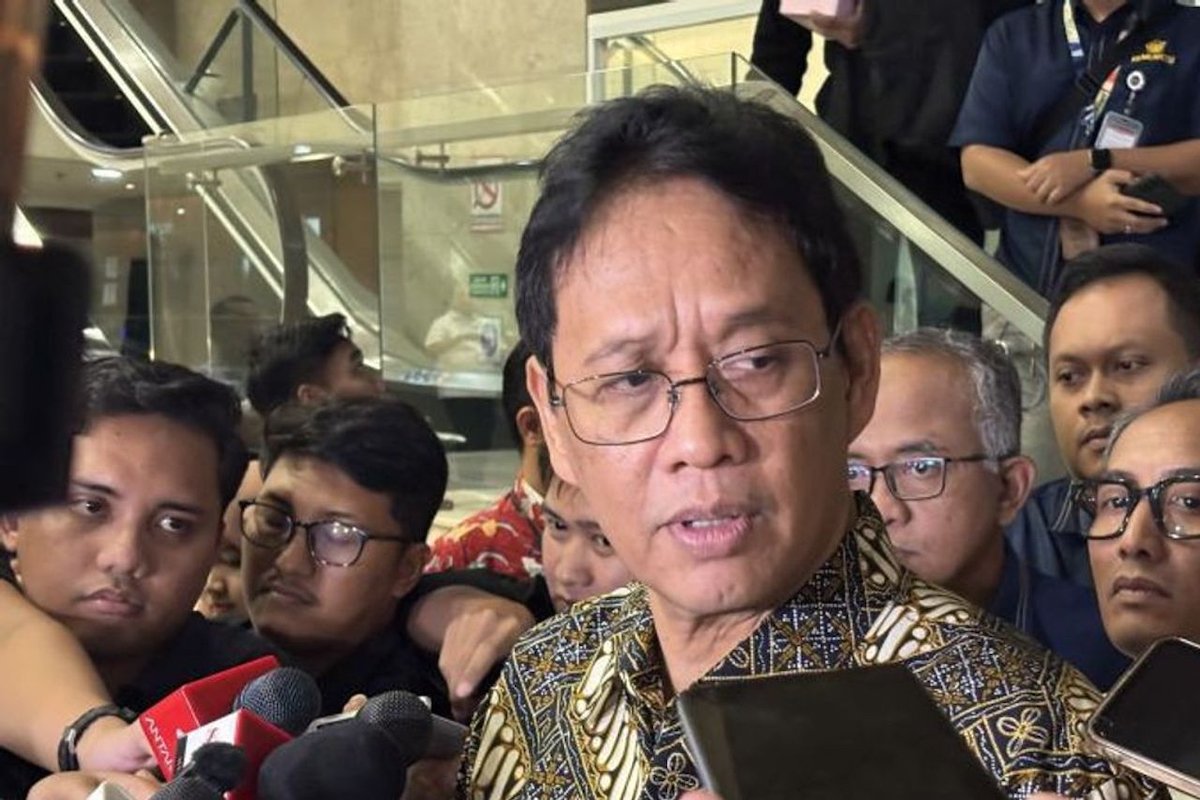
While a joint statement noted "initial exchanges on potential oil and gas cooperation," opposition figures immediately questioned the transparency and strategic wisdom of the process. Representative Chel Diokno emphasized that any negotiation involving national resources must be a public matter. "The Filipino people have the right to know the terms, conditions and concessions being negotiated with China," Diokno stated during a news conference. He pledged to push for legislative oversight of the talks to ensure they align with constitutional mandates.
Strategic Concerns Over Sovereignty and Precedent
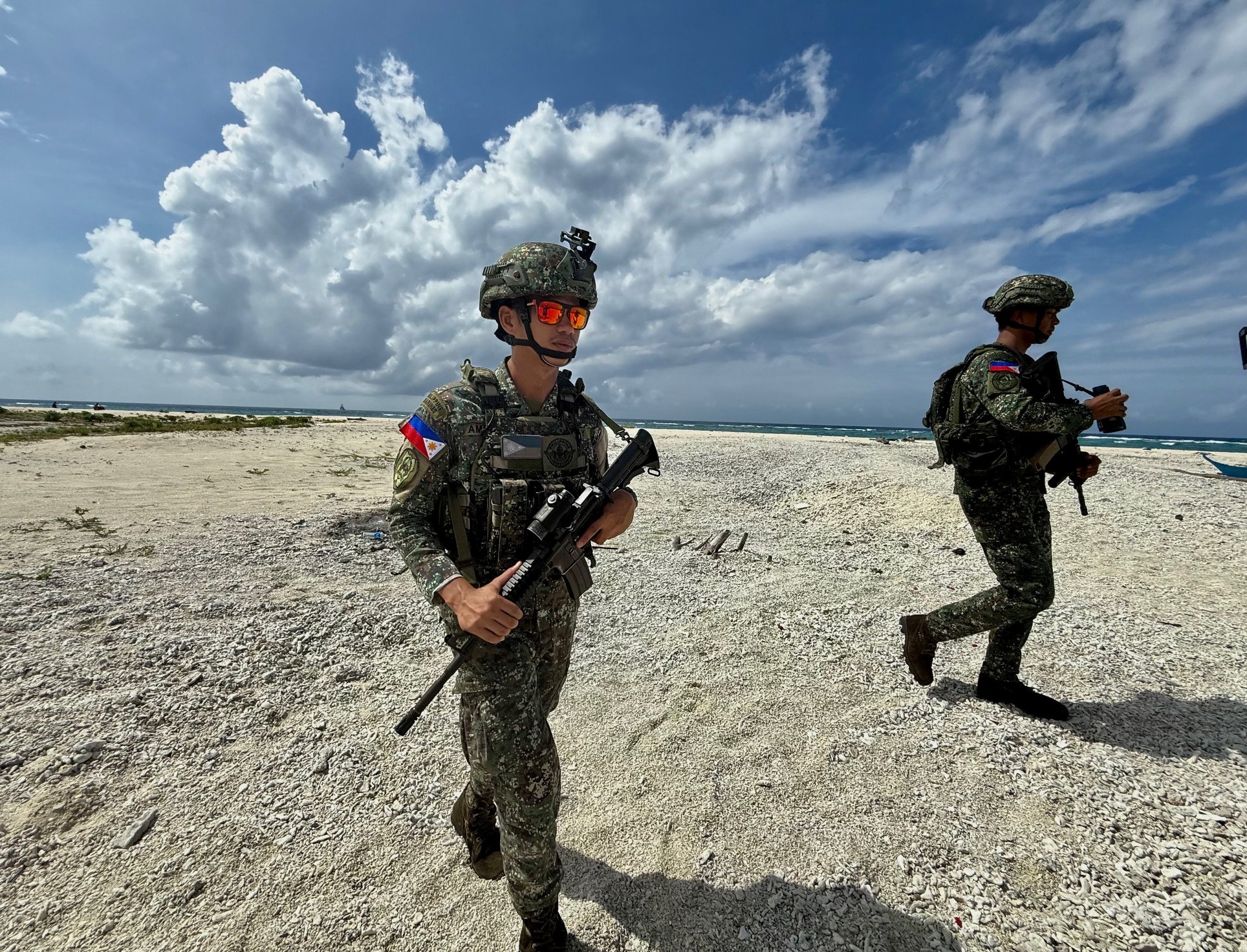
Other legislators framed the proposed cooperation as a dangerous concession. Representative Perci Cendana argued that negotiating with Beijing under current conditions amounts to validating its "bad behavior," a reference to repeated confrontations between the China Coast Guard and Philippine vessels in the West Philippine Sea—Manila's term for its exclusive economic zone. "We are sending the wrong message and encouraging more powerful countries to escalate disputes to extract concessions," Cendana warned. "Over time, this erodes the rules-based order in the region."
This skepticism is grounded in recent history. The Philippine Supreme Court previously nullified a 2005 tripartite exploration agreement involving China and Vietnam because it granted rights to wholly foreign-owned corporations. Furthermore, the Philippines secured a landmark 2016 ruling from the Permanent Court of Arbitration in The Hague, which invalidated the legal basis for China's sweeping maritime claims. Critics argue that any new joint development must not undermine that legal victory or tacitly accept Beijing's disputed sovereignty.
The Manila-based Stratbase Institute think tank issued a stark warning against the potential partnership, describing China as neither "a reliable partner nor a responsible actor" in the maritime dispute. The institute urged the government to reject any deal, stating that "a state that persistently disregards international law and violates Philippine sovereign rights cannot be expected to honor any agreement." It recommended that Manila instead focus on developing resources through partnerships with like-minded states, ensuring energy security does not come "at the expense of sovereignty."
Broader Regional Energy and Security Dynamics
The domestic debate in the Philippines unfolds within a complex regional landscape where energy security and strategic competition are increasingly intertwined. Global energy supply chains are under strain, influencing calculations from Seoul to Jakarta. As noted by President Marcos, the Middle East hostilities may have provided an "impetus" for renewed dialogue with Beijing, highlighting how distant conflicts can reshape local diplomatic priorities. The situation mirrors broader patterns where major powers are competing to secure future energy technologies and supply chains, a contest with profound implications for Asian economies.
China's approach to the South China Sea is part of a wider pattern of asserting control over strategic waterways and resources. Its activities near the Philippines occur alongside growing naval capabilities and other pressure tactics, such as the development of advanced systems that could complicate security scenarios around Taiwan. These parallel developments underscore the multifaceted nature of Beijing's regional strategy, where energy access, territorial claims, and military posturing are closely linked.
For the administration of President Marcos Jr., the challenge is to navigate acute domestic energy needs without ceding ground on core principles. During a 2023 visit to Beijing, Marcos and Chinese President Xi Jinping agreed to maintain communication on joint exploration. However, structuring a legally and politically viable agreement remains a formidable obstacle. The government has simultaneously taken symbolic steps to assert its claims, such as implementing an executive order assigning Philippine names to 131 geographical features in the Kalayaan Island Group in Palawan province.
The outcome of this internal Philippine debate will resonate beyond Manila. It touches on fundamental questions of how Southeast Asian nations engage with a powerful China while upholding international law and protecting sovereign interests. The decision will also signal to other claimants, like Vietnam and Malaysia, how to balance pragmatic cooperation with principled defense of maritime rights. As global economic pressures mount, the Philippines' choice between expedient resource deals and steadfast legal defense will be closely watched across the Indo-Pacific.