In the 14th century, the historian Ibn Khaldun observed in The Muqaddimah that great dynasties often decline after three generations when they fail to produce capable successors. Today, Saudi Arabia's ruling family confronts that very question: has Crown Prince Mohammed bin Salman weakened the dynasty he was meant to fortify?
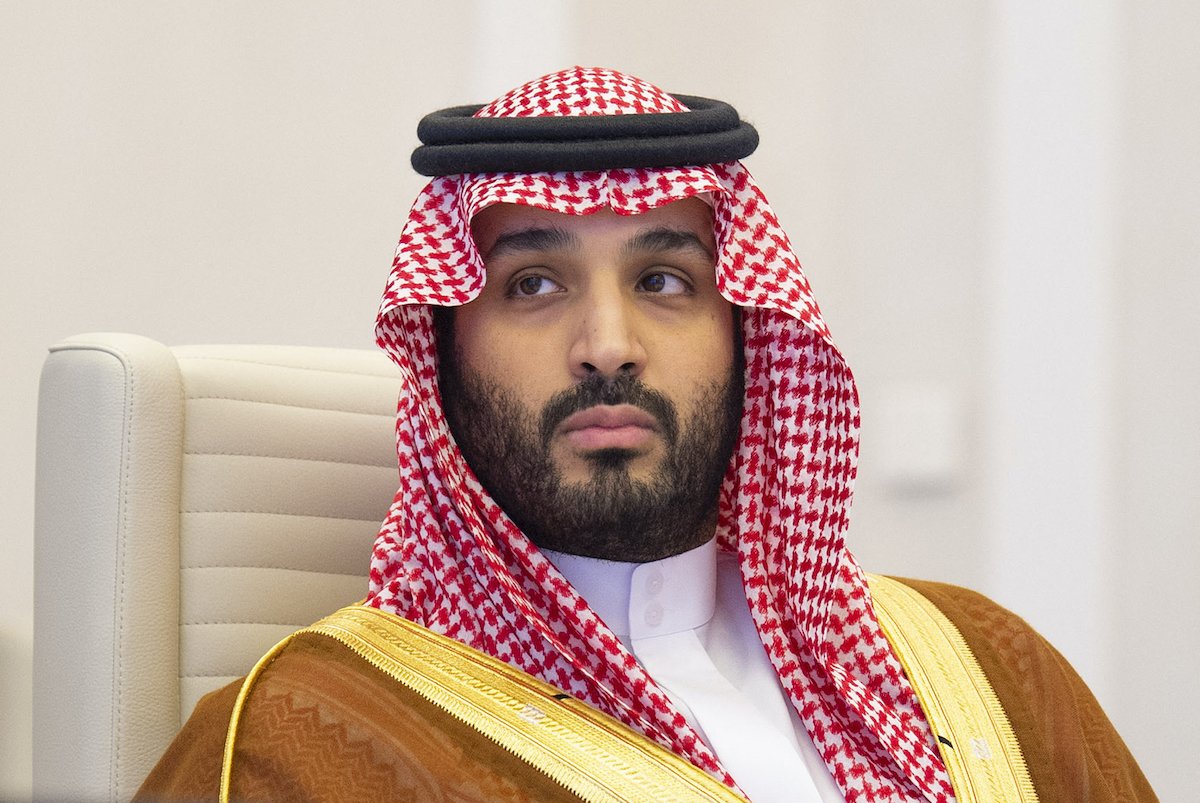
The kingdom is under mounting pressure from both internal dissent and external threats. The crown prince's core bets—defeating the Houthis in Yemen, transforming the economy away from oil, and relying on a Trump-led America as a steadfast ally—are all faltering simultaneously. As a result, many analysts and insiders believe the best path forward is to replace Prince Mohammed with a more capable leader, overhaul foreign and economic policy, and introduce long-overdue democratic reforms. Failure to act, they warn, could balkanize the kingdom into competing fiefdoms and end Saudi Arabia as we know it.
A costly war and a vulnerable kingdom
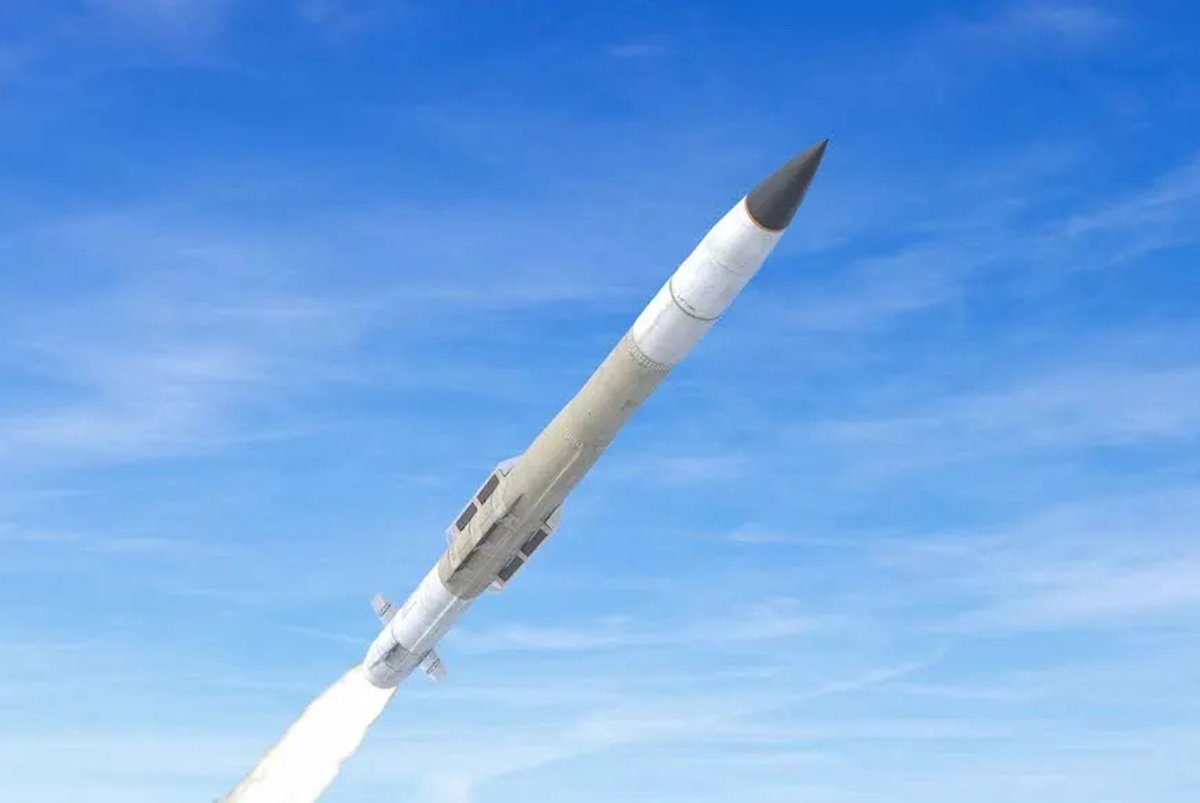
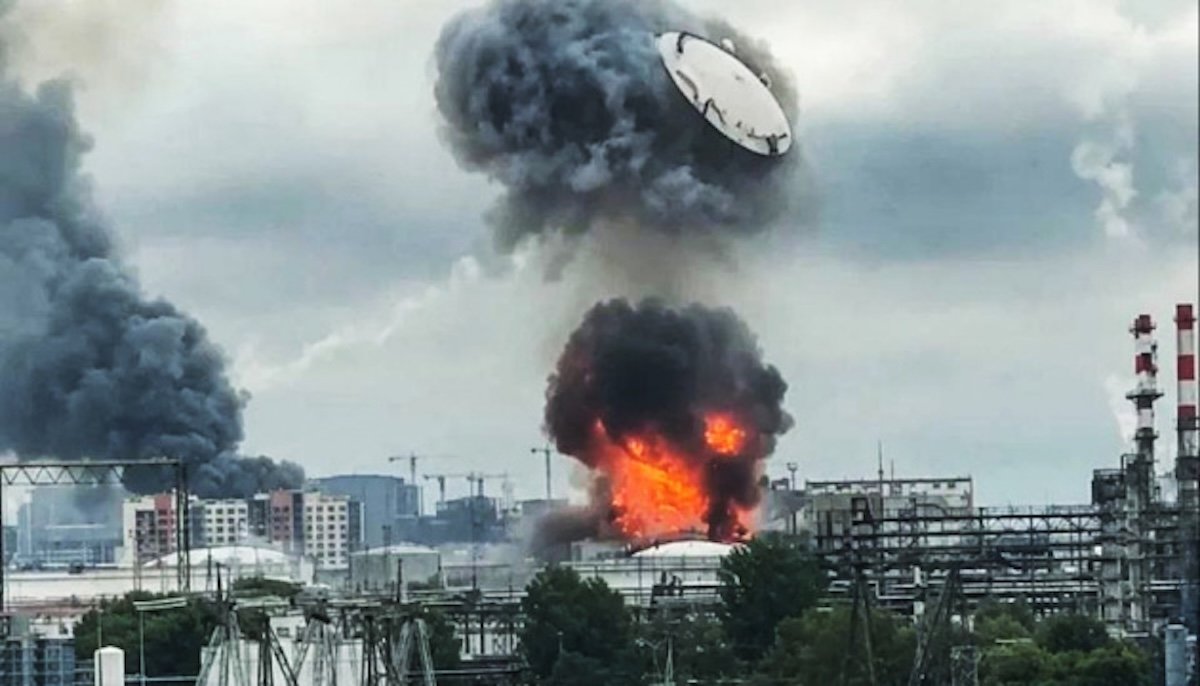
Since assuming power, the crown prince has arguably done more harm than good. Saudi Arabia spends roughly $83 billion annually on defense—about 6.5% of GDP and 3% of global military spending. Yet the October 10 Houthi missile strike on Riyadh's international airport, which killed at least 13 people, exposed the kingdom's vulnerability. The attack made international travel unsafe and underscored the failure of eight years of war in Yemen, launched in 2015 with the UAE, which has cost an estimated 700,000 Yemeni lives and $200 billion in Saudi defense spending—all against a ragtag adversary with a budget of less than $7 billion.
Critics argue that much of this military expenditure has gone toward protecting the crown prince's regime rather than securing the nation. The war in Yemen, intended to create a pliant puppet state, has instead bogged down the kingdom and drained its resources.
Economic mirage and megaproject troubles
The crown prince's economic vision, encapsulated in Vision 2030, has also come under scrutiny. Reports indicate billions have been spent on consultancy fees for vague plans, while the flagship NEOM megaproject in Tabuk Province is reportedly on the brink of bankruptcy. Closing The Line, a scaled-back 170-kilometer linear city, could cost up to $16 billion. The late journalist Jamal Khashoggi, who was murdered in Istanbul, had warned that if these giga-projects failed, Saudi Arabia could become one of the region's poorest nations.
The economic picture is grim. The IMF had projected 4% growth for 2026, but the economy is now heading for a 3.3% contraction. Blockades of the Strait of Hormuz and Bab el-Mandeb, along with attacks on the East-West oil pipeline, have crippled oil exports, the kingdom's lifeblood.
Succession and survival
Prince Mohammed's personal security is also a concern. Reports suggest he frequently moves between palaces and bunkers to avoid drone assassination attempts, not only from the Houthis but also from internal rivals. There is precedent for regicide: King Faisal, one of the House of Saud's most respected monarchs, was killed by a family member.
The crown prince broke with tradition in 2017 by sidelining his cousin Mohammed bin Nayef, the designated successor, in what many saw as a palace coup. Nayef reportedly remains under house arrest. Critics suspect the move had US backing, though the quid pro quo remains unknown. As external powers covet Saudi Arabia's vast oil and mineral wealth—including an estimated 114 million tonnes of rare minerals and uranium-bearing ores—the kingdom's fragmentation could become a tempting prospect.
With Washington's refusal to support Prince Mohammed against the Houthis, some analysts see parallels to Iran, where US pressure has failed. Saudi Arabia could be the next target, and perhaps an easier one. The crown prince's enemies are numerous, and his ability to secure the nation is in doubt. The question of succession is no longer academic; it is a matter of survival for the House of Saud.