As world leaders and analysts fretted over the potential outcomes of the May 14-15 summit in Beijing between Xi Jinping and Donald Trump, one corner of Asia remained notably unruffled: Taiwan itself. While many feared the two superpowers might strike a deal that would sacrifice the island's security—perhaps in exchange for Chinese cooperation on Iran or trade concessions—Taipei's reaction was measured, even dismissive.
Trump's offhand remark during his return flight that he had not yet decided on a proposed US$14 billion arms sales package to Taiwan, and his characterization of the decision as “a good negotiating chip,” barely stirred the political waters in Taipei. This calm stands in stark contrast to the anxiety expressed in Tokyo, Seoul, and other capitals that view Taiwan as the most dangerous flashpoint in the Indo-Pacific.
Why Taiwan Stays Calm
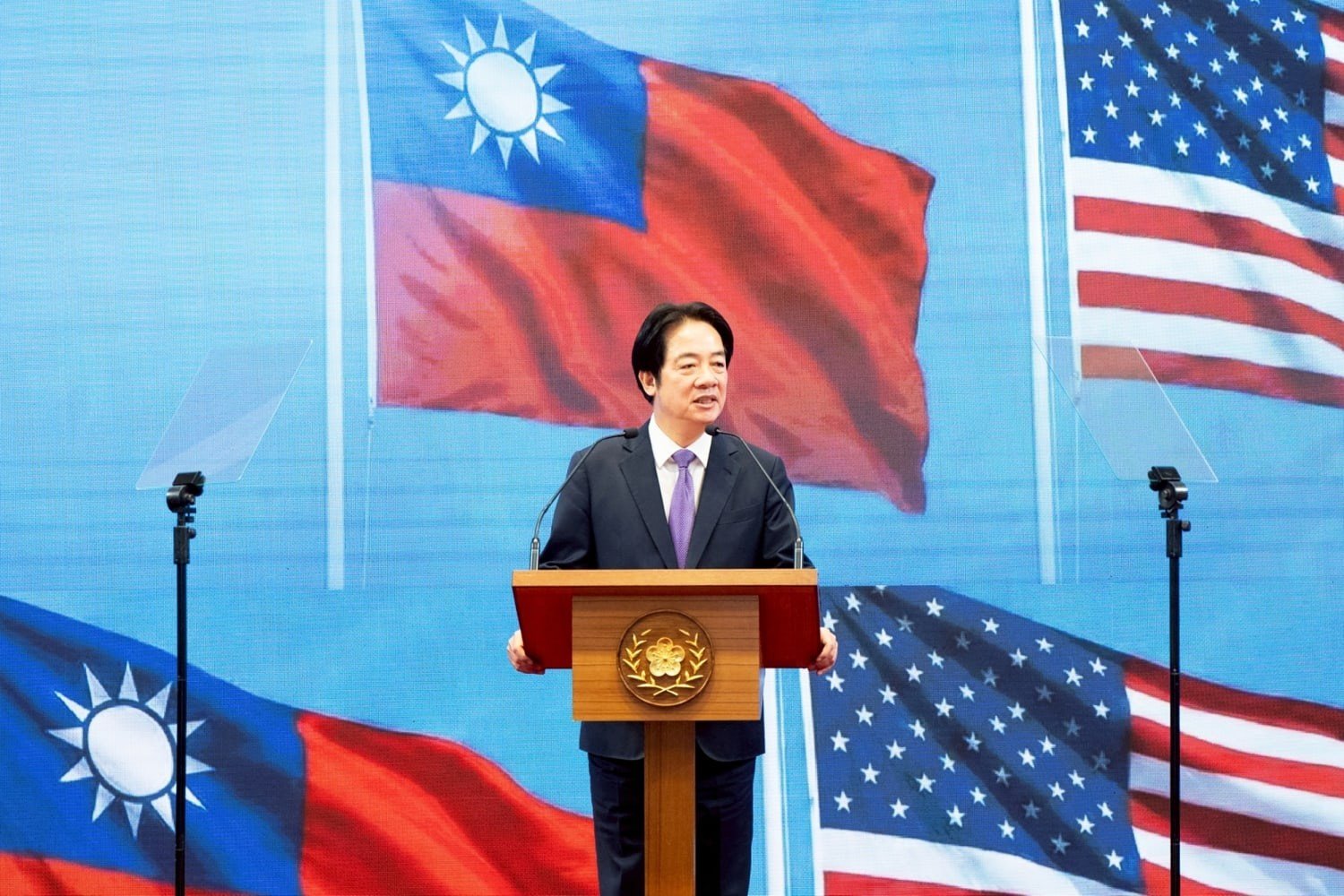
The island has lived with its anomalous status for nearly eight decades. As President Lai Ching-te's administration knows, getting nervous every time Beijing and Washington talk would be unsustainable. Moreover, Taiwan has grown stronger economically and militarily, even as China's power has expanded. Taiwanese strategists understand they cannot win a head-on conflict, but they believe they can impose prohibitive costs on any attacker.
Ukraine's resistance to Russia's invasion since 2022 has served both as inspiration and as a warning to Beijing. Taiwan's government has been pushing for a major defense budget increase, though domestic politics have complicated the effort. The Legislative Yuan approved an extra US$25 billion in defense spending on May 8, far short of the US$40 billion the DPP government sought. The ruling party has lacked a majority since the January 2024 general election, making such approvals a struggle.
Taiwan's defense planning also accounts for the reality that US arms deliveries will take years, given the strain of America's involvement in Iran. This has shifted focus toward expanding domestic manufacturing, particularly of drones. The island's semiconductor industry, a key driver of its economy, also provides leverage—a fact not lost on Taipei, even as Trump revived baseless claims that Taiwan “stole” the business from America.
Two structural factors underpin Taiwan's confidence. First, the US Congress maintains a strong bipartisan majority in favor of arming Taiwan, a stance likely to solidify after the November midterms. Second, the American electoral cycle is short; a new president will take office in 2029, while Taiwan's defense investments span decades. As one Taipei-based analyst noted, “The noise from summits is temporary; our planning horizon is long.”
What Taipei watched closely was not the summit's theatrics but the consistency of both leaders' statements. Xi repeated his standard warnings against foreign interference on the Taiwan question—familiar to Japanese Prime Minister Sanae Takaichi and her government—without signaling any new urgency. Trump, despite his reputation for unpredictability, stuck to the official script on Taiwan during the summit itself.
This does not mean Taiwan is complacent. The island remains acutely aware that any miscalculation could trigger a catastrophic conflict, potentially involving nuclear weapons for the first time since 1945. But for now, Taipei's response to Trumpian deal-making is a pragmatic one: focus on building deterrence at home, and let the superpowers play their games.